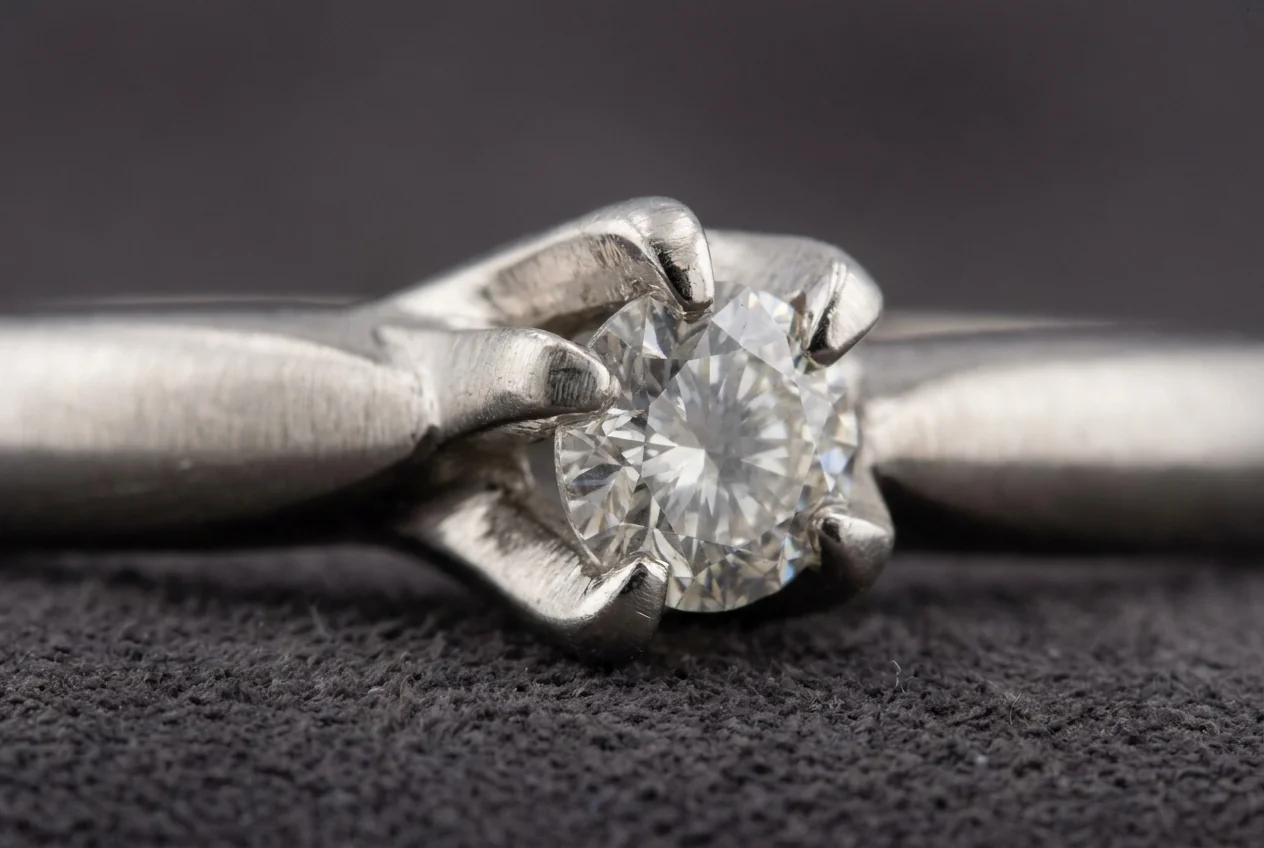
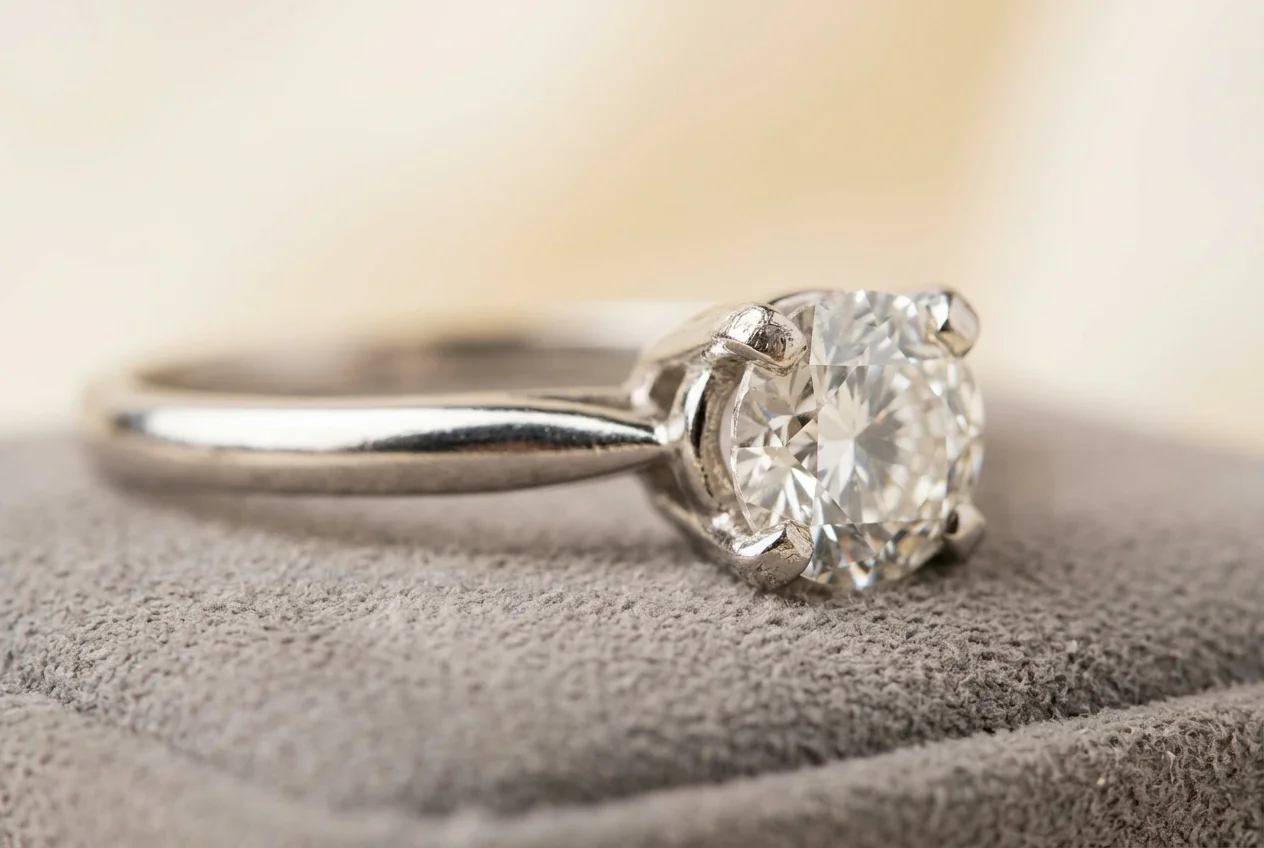
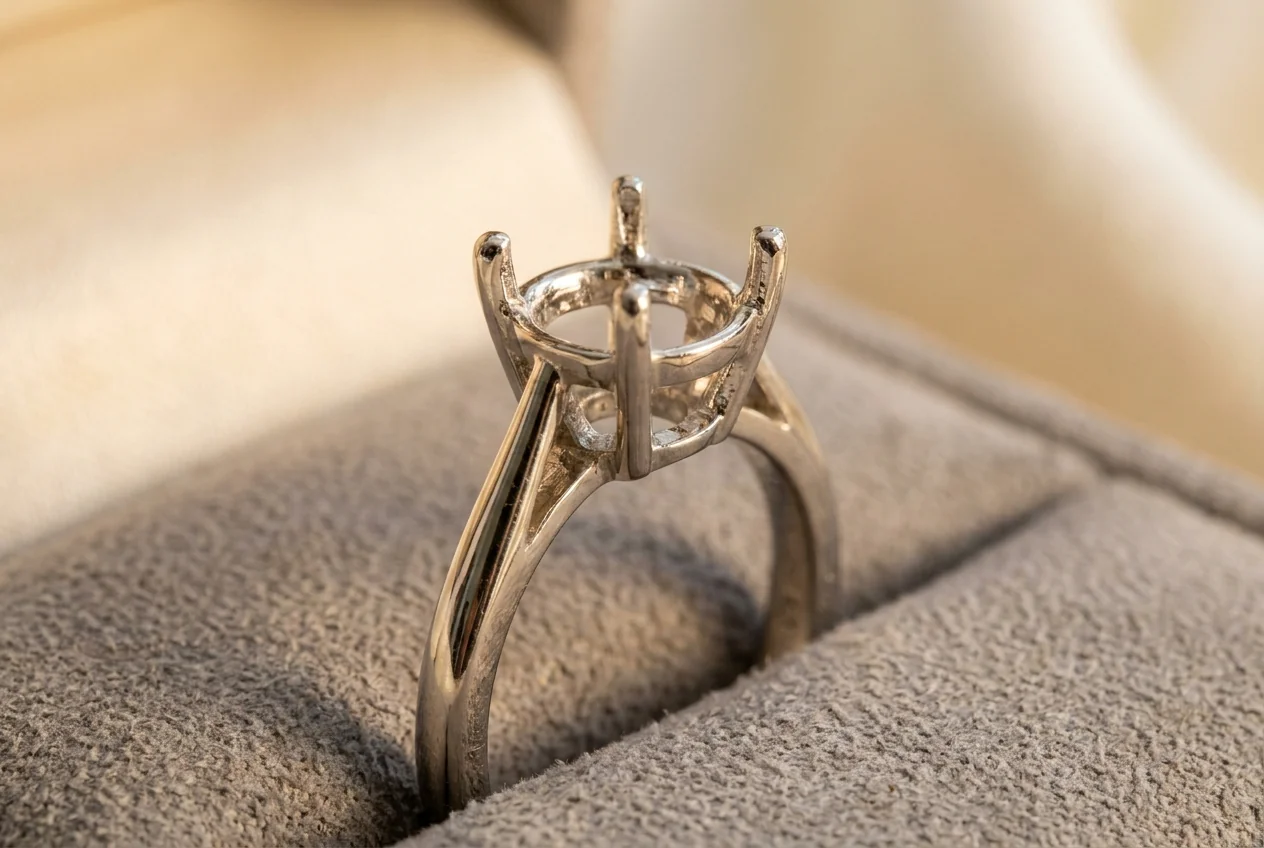
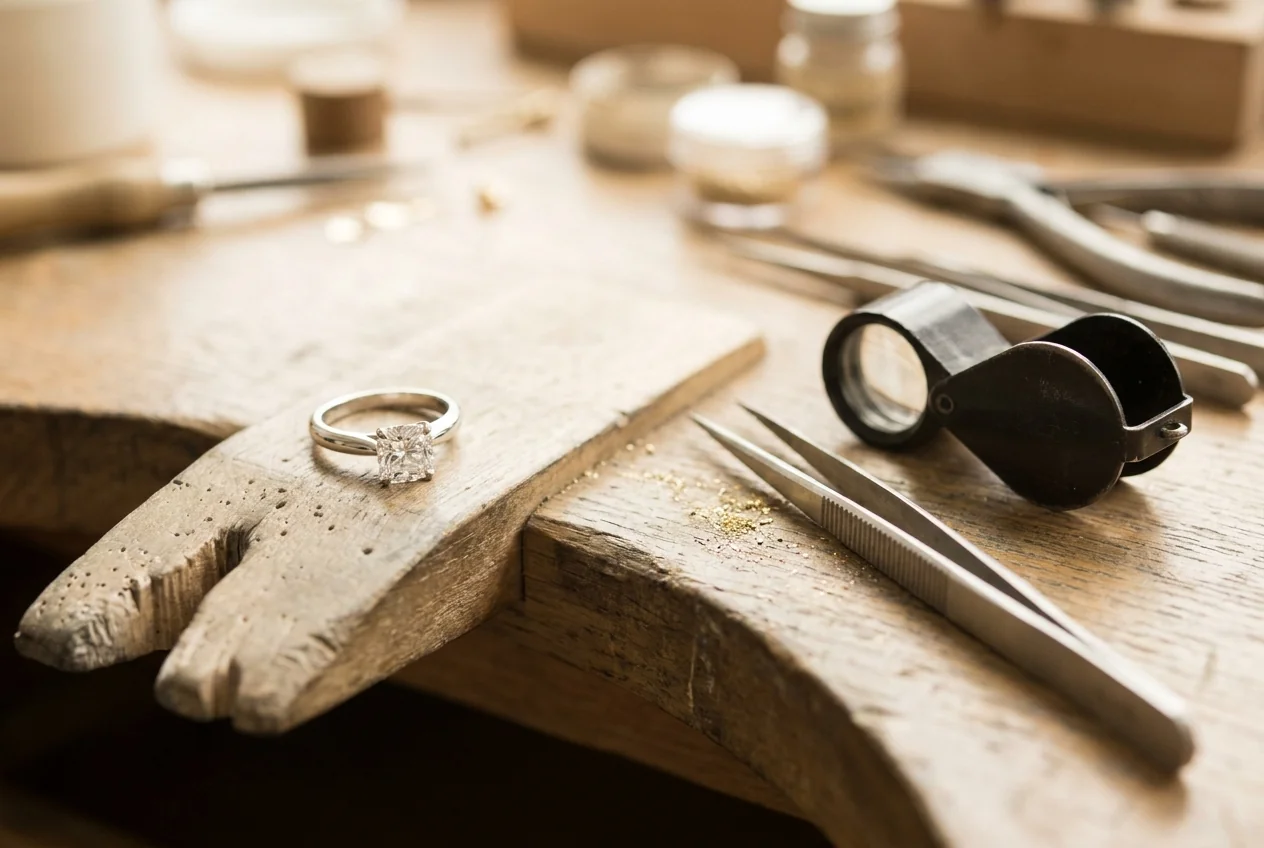
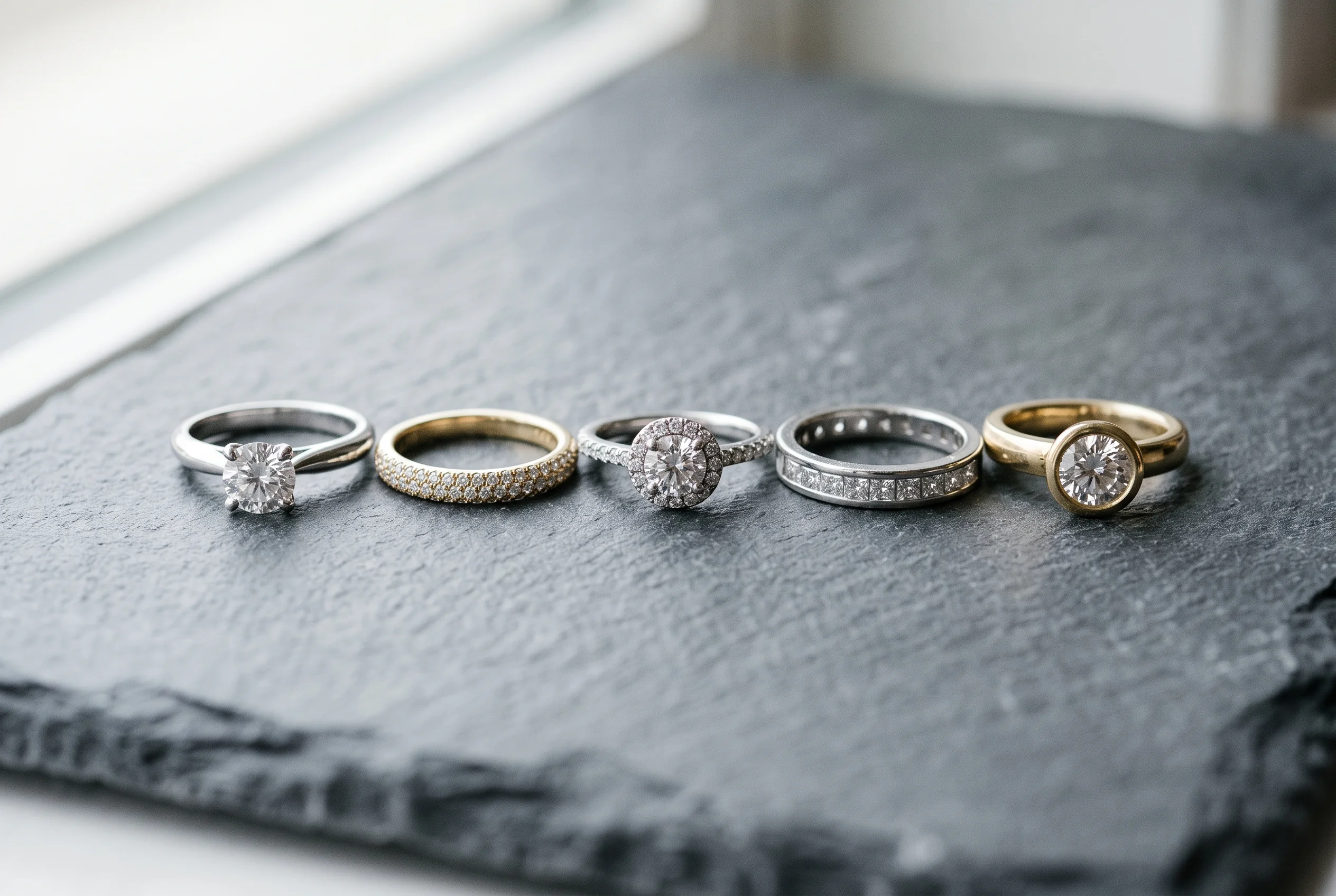
Prong retipping, shank rebuilding and stone resetting are the jobs most shops send out first.
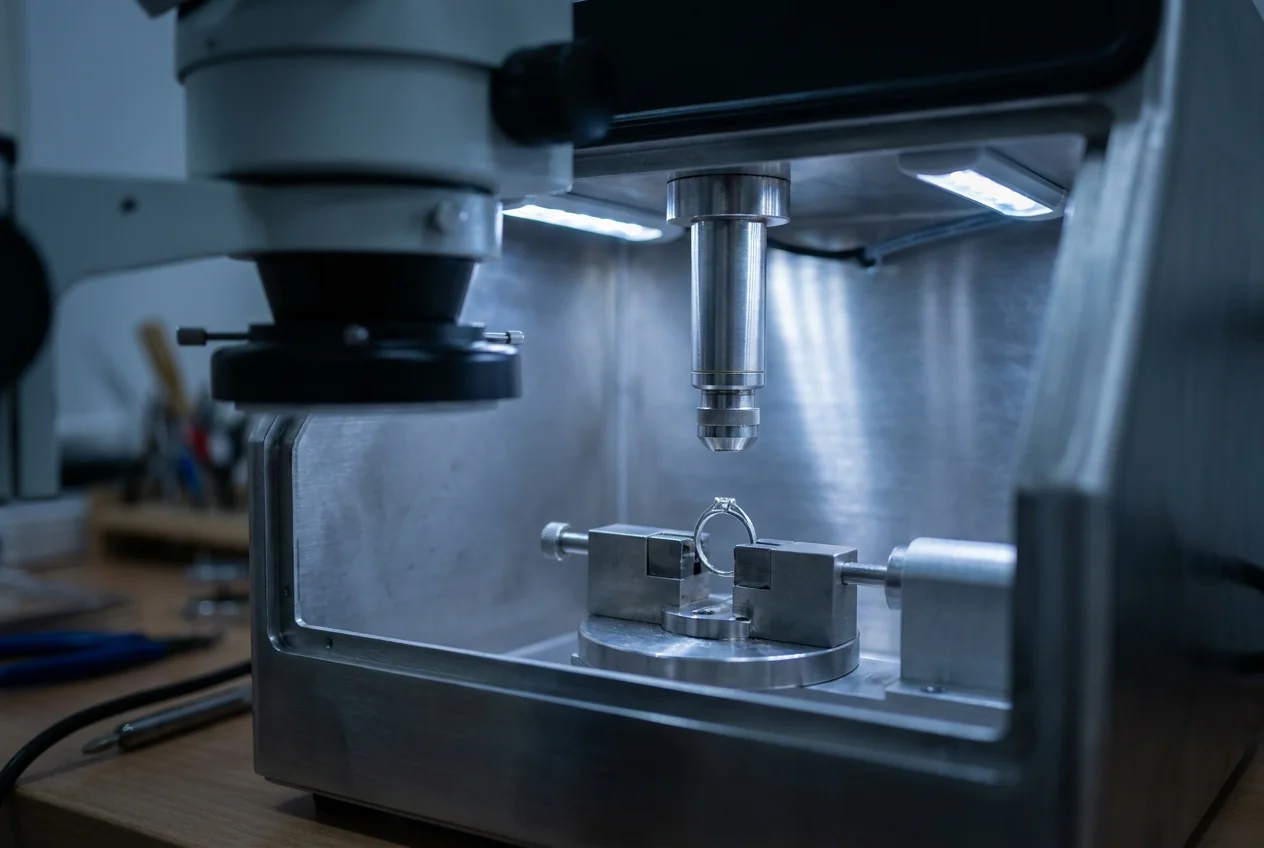
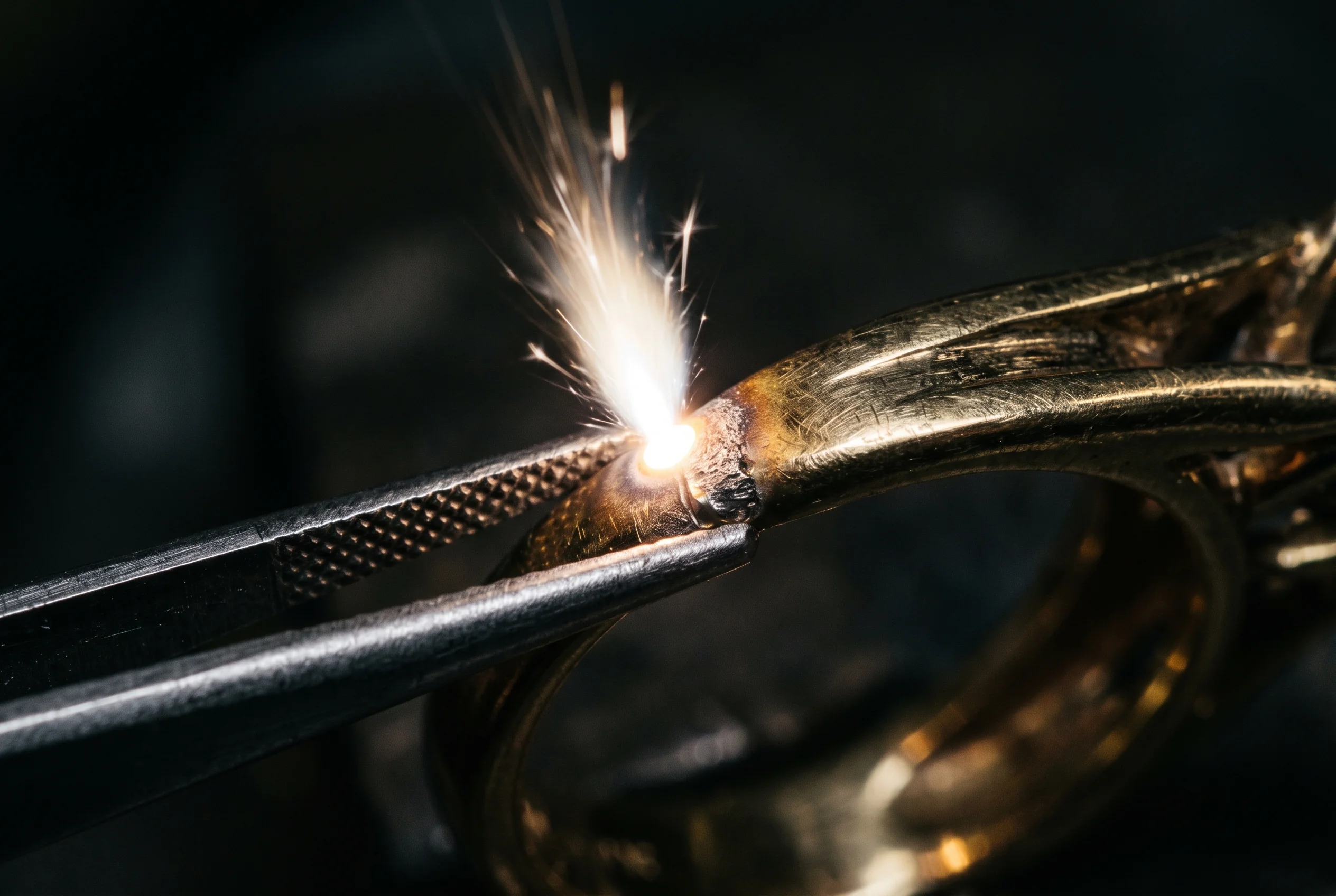
Pulsed laser welding puts the heat only where the joint is, so the work stays at your own bench with the stones still set.
Each of these is done under magnification with pulsed laser energy, which keeps heat off the stones — so the job stays on your bench instead of going out to a trade shop.
Rebuild worn or bent prongs in matched precious metal with the stone still in place — the job most benches outsource first.
Reinforce and rebuild thin, cracked or broken shanks without solder marks or visible seams, so finishing time stays short.
Re-secure loose diamonds and gemstones with controlled tension and alignment, without disturbing the metal around them.
Damaged prong heads and baskets are replaced entirely and laser-fused to the existing shank for a clean, structurally sound finish.
Resize rings up or down without removing set stones, because heat stays at the joint rather than spreading through the setting — though whether a given stone can stay in place is still judged piece by piece.
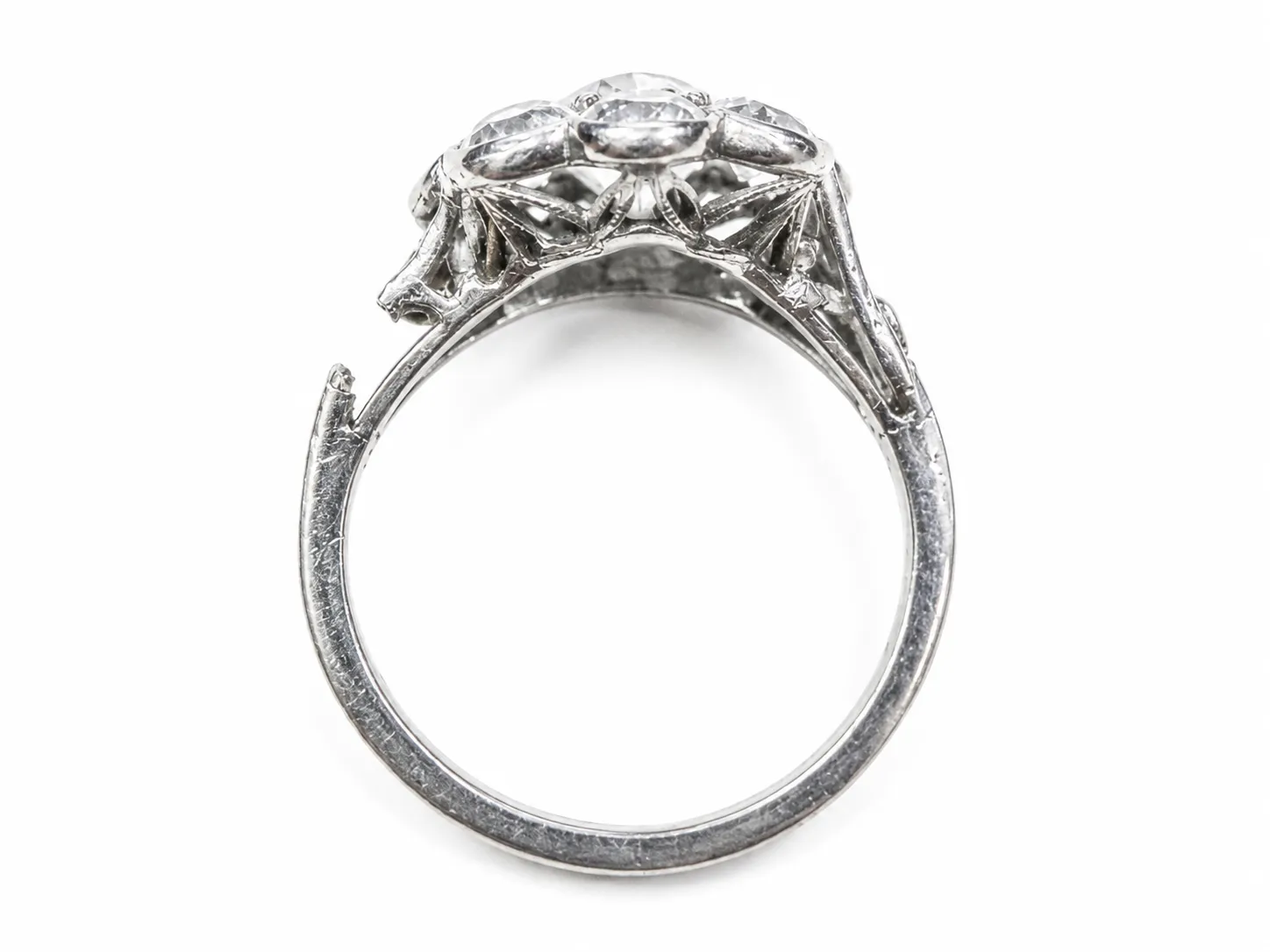
Restore engravings, milgrain edges, and filigree detailing damaged over time — bringing vintage and antique rings back to life.
Tell us the repairs your bench takes on most — prong retipping, shank rebuilds, work sitting close to set stones — and we shortlist the models that cover them.
How much metal you rebuild, and how close the weld sits to a set stone, decide the pulse energy and spot size you need. That is what separates one model from the next.
The welder works under microscope magnification at the bench, with starting parameters for the alloys you named rather than a blank settings screen.
Operator training and parameter guidance come with the machine, so the first jobs you keep in-house come out finished rather than re-done.
Pulsed energy stays at the joint rather than travelling through the shank, so stones set away from the weld are far less exposed than under a torch.
Whether a specific piece can be welded with the stone in place is judged individually — stone type, treatment history, setting style and distance from the joint all decide it.
A laser joint fuses the parent metal instead of bridging it with a lower-melting alloy, so there is no second alloy line to catch the light and far less to blend at the polishing stage.
How close it comes to disappearing depends on the alloy, the finish and the operator.
The weld retains the original metal's strength and hardness, resulting in longer-lasting repairs than traditional methods.
Platinum, white gold, yellow gold, rose gold, and titanium — our laser welding technology handles them all precisely.
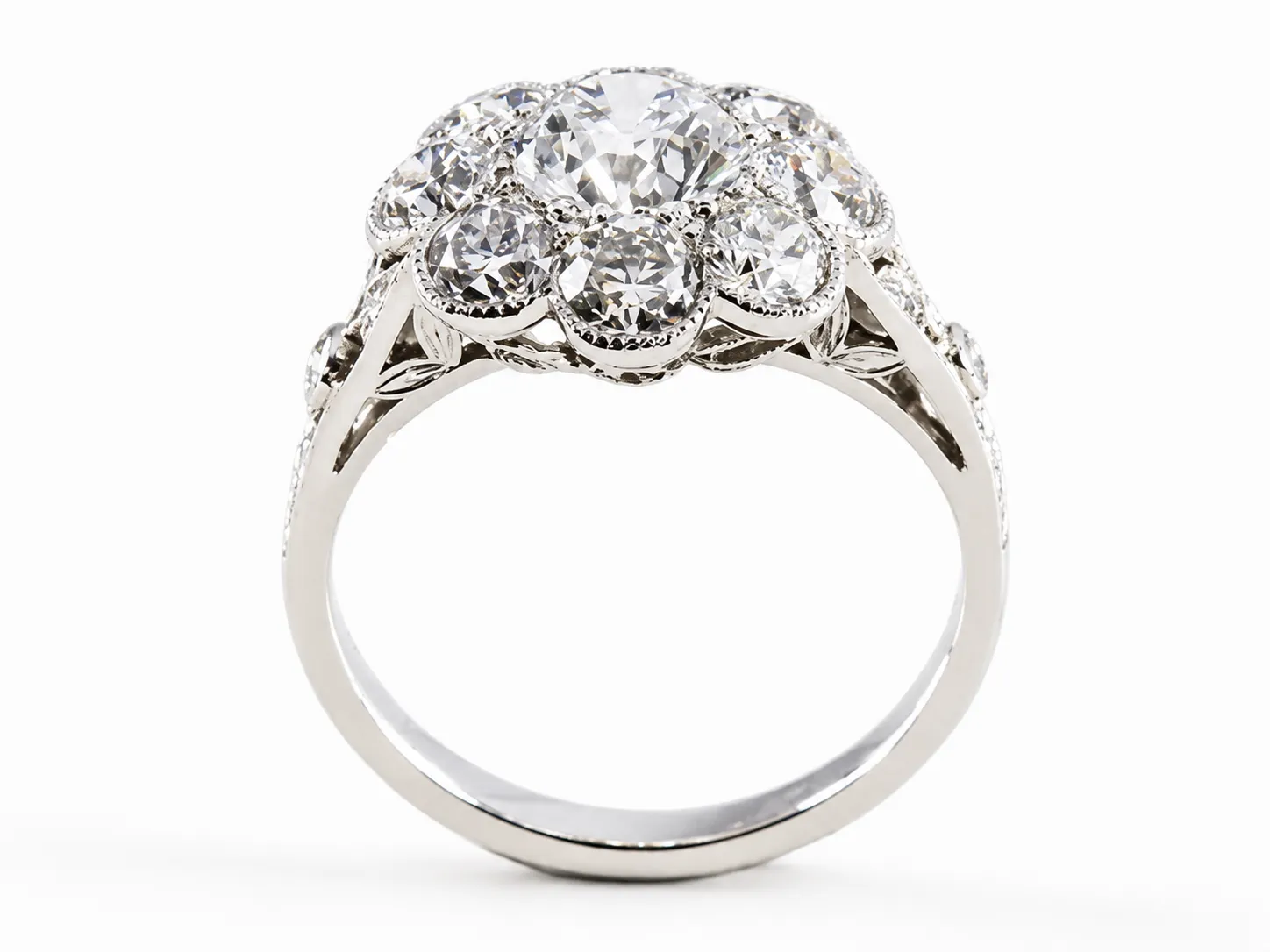
Almost every other repair lets you move the heat away from what matters.
On a diamond ring you cannot — the joint is millimetres from the stone, and that changes which specifications actually decide the job.
A worn claw sits directly against the girdle. There is nowhere to move the joint to, so the only variable left is how tightly the energy is contained.
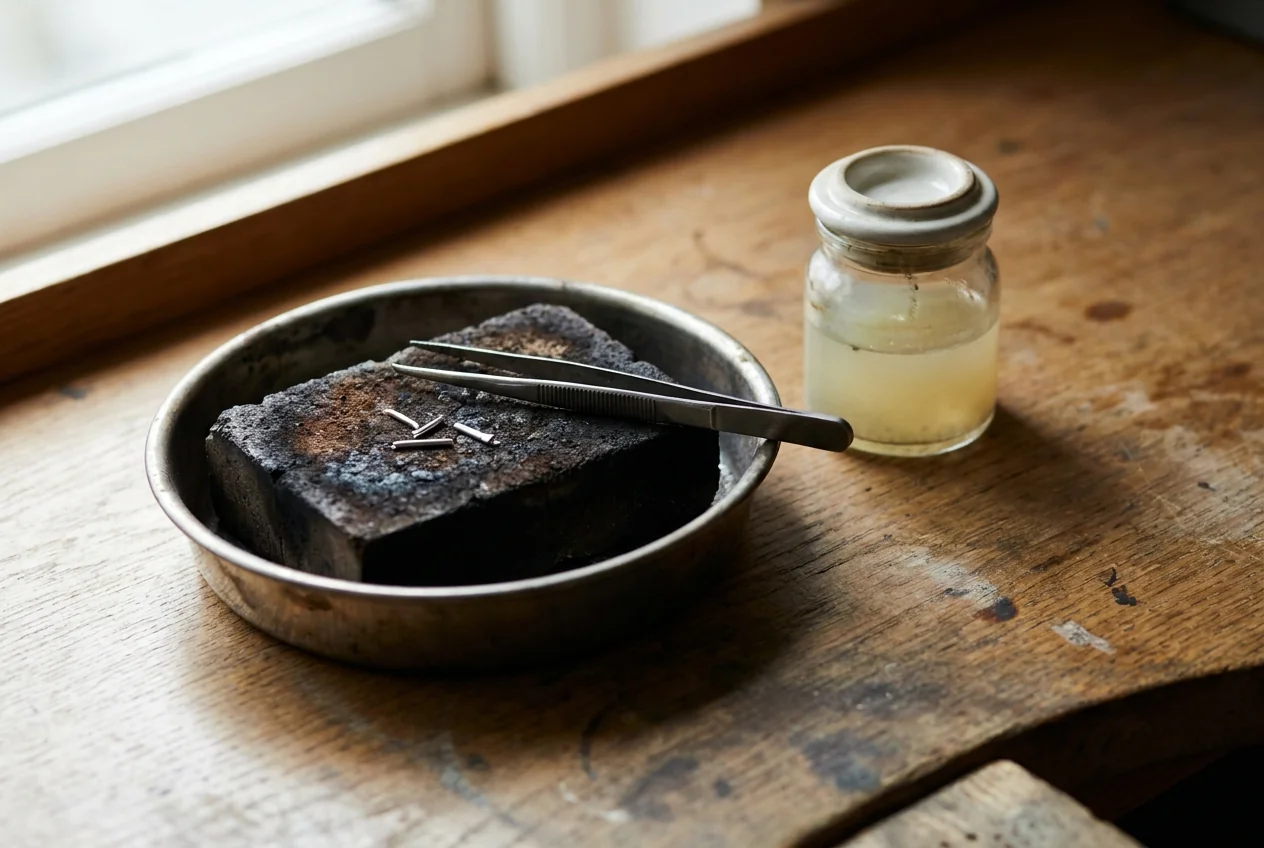
Retipping adds metal back to something that has worn away. That needs controlled filler melting, which is a different demand from closing a clean break.
Diamond, sapphire, emerald and treated stones behave differently under heat.
Setting style and distance from the joint matter as much as the stone itself — which is why each piece is assessed before anything is switched on.
Setting style decides how much room you actually have, and it varies more than the stone does.
The most forgiving: metal stands proud of the stone, so there is a little distance to work with at the tip.
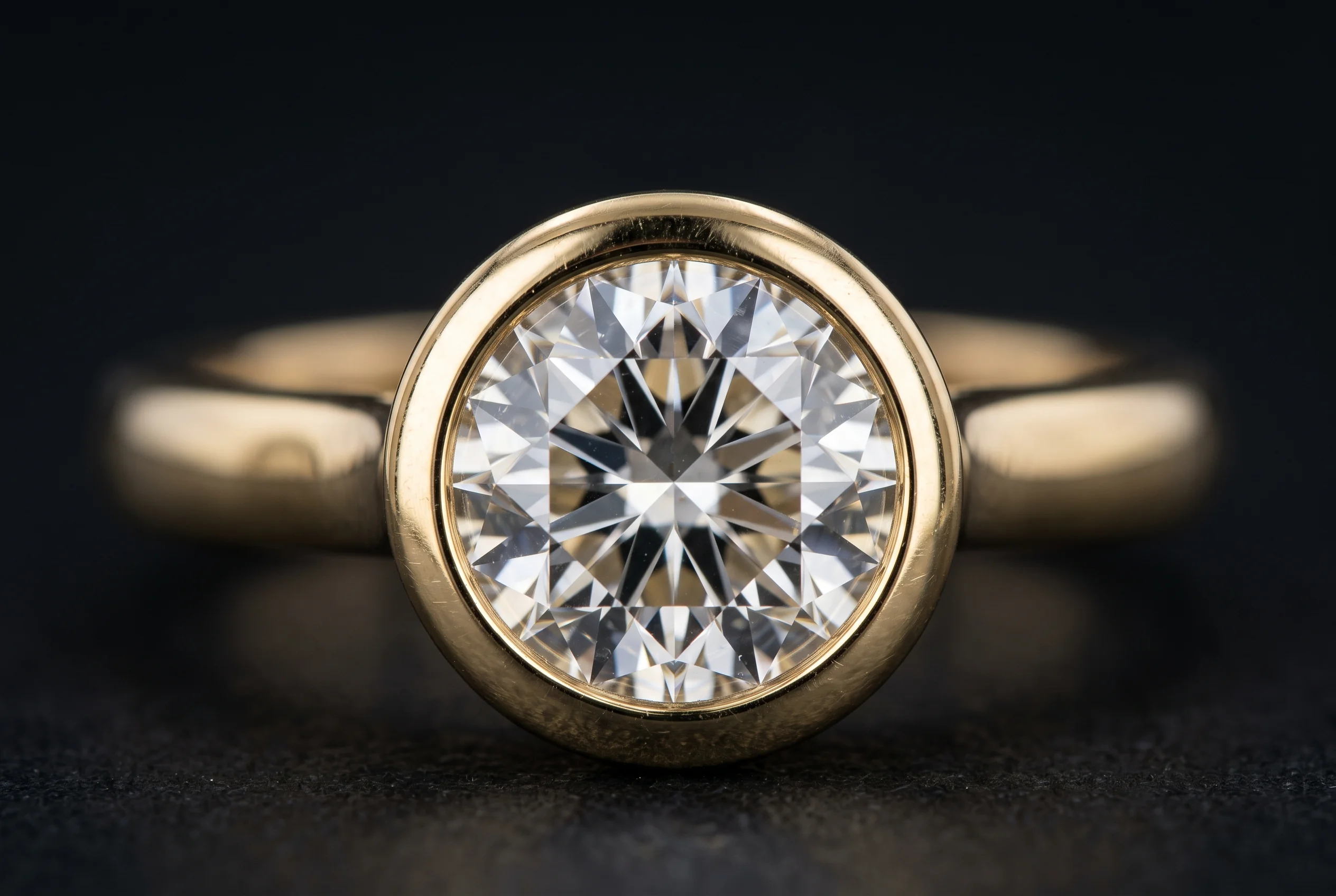
Metal wraps the stone, so the joint and the girdle share the same few millimetres. This is where spot size stops being a specification and becomes the constraint.
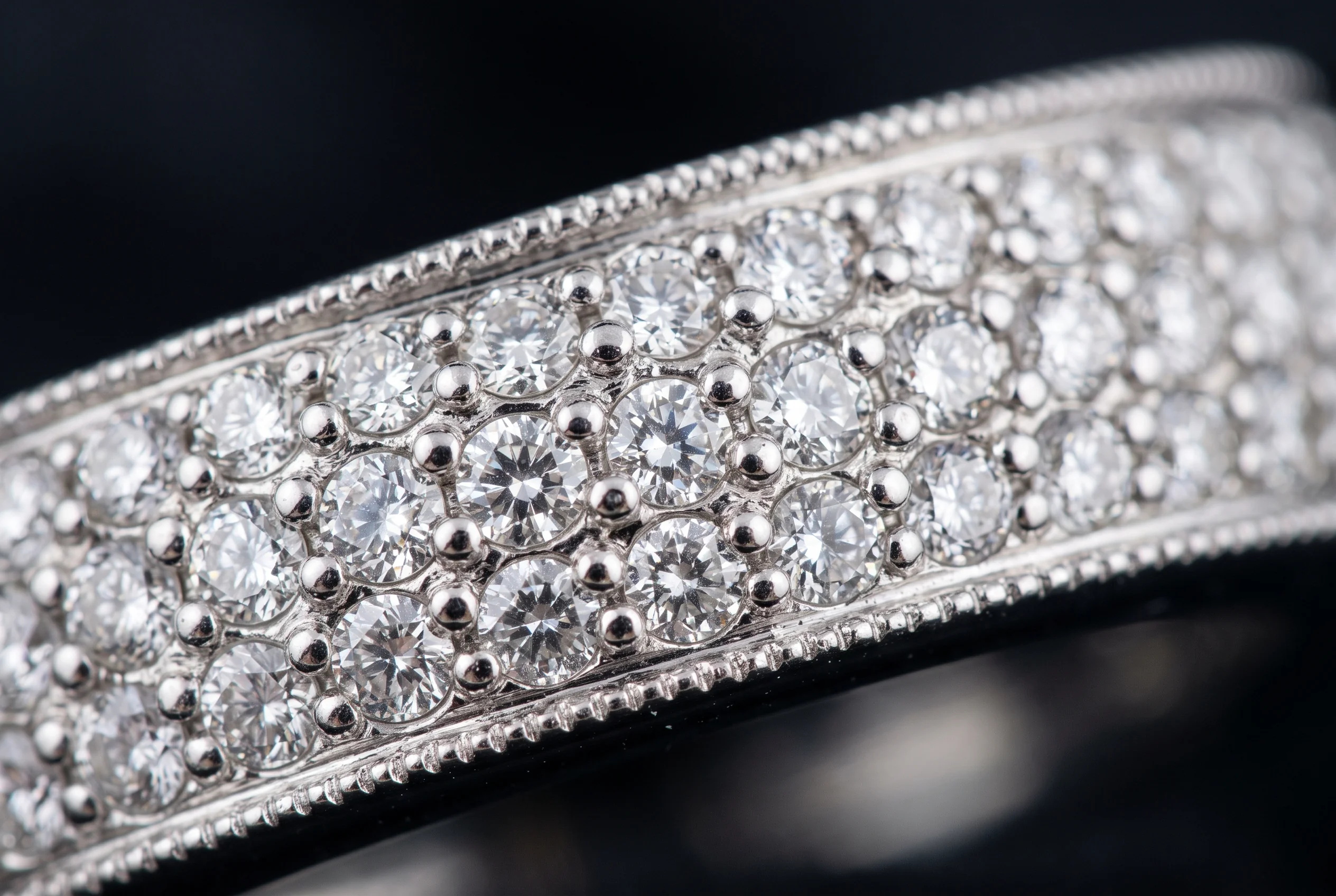
Many small stones close together, often with little metal between them. Assessment matters more here than technique.
Structural work below the stone, where you are welding thin rails that hold everything in position.
The failures that push this work out to a trade bench, and what sits behind each one.
A torch heats the whole head to work on one claw, so the stone comes out first and goes back after — two operations added to every job.
Some stones have been through processes that make them far less tolerant of heat. Knowing which is which is part of the assessment, not an afterthought.
Reshaping a thin claw without adding metal leaves it thinner still. It fails again, and the customer remembers where they had it done.
A lower-melting alloy at the claw reads as a different colour under a shop light, right where the eye goes.
Sizing and stress cracks that run toward the head are the jobs most often refused, because the heat has nowhere safe to go.
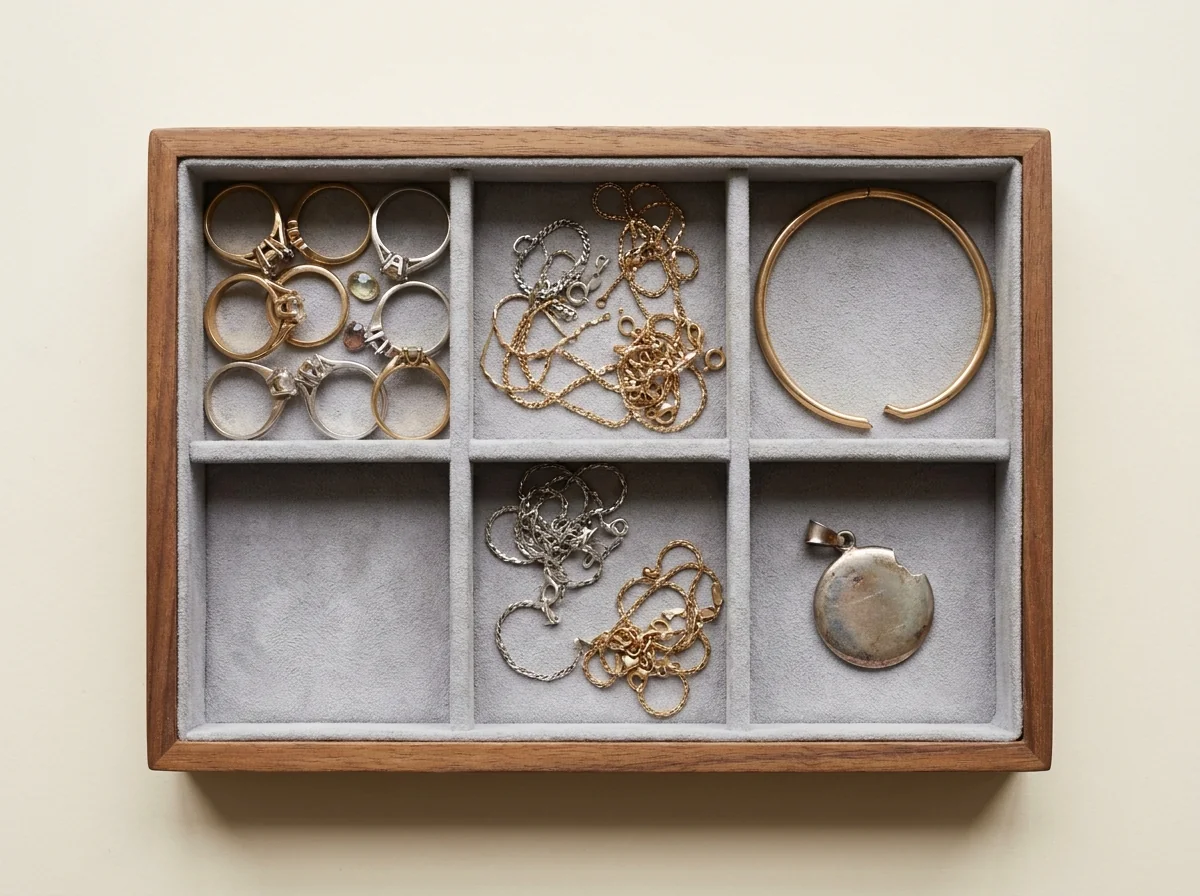
Every outsourced repair is a wait the customer feels and a margin split with someone else — the two costs that decide whether this belongs on your bench.
This is a narrower brief than jewellery welding generally. Each specification below is described by what it changes when the joint is beside a stone.
Read the full buying guide
| Specification | What it decides on a diamond ring |
|---|---|
| 01Smallest controllable spot | Decides how near the girdle you can place energy before the stone becomes the limiting factor. On bezel work this is the whole job. |
| 02Fine pulse control | Adjustable pulse width lets you put in just enough to fuse a claw tip without pushing heat down into the setting. |
| 03Stable low energy | Repeatability at the bottom of the range matters more here than a high ceiling — you will rarely want more power, only better control of a little. |
| 04Microscope clarity | You are aiming at a claw tip under a millimetre across. What you cannot resolve, you cannot weld accurately. |
| 05Filler control | Retipping is metal rebuilding. Feeding and melting filler cleanly is what separates a claw that lasts from one that comes back. |
| 06Parameter storage | White gold, yellow gold and platinum heads each want their own settings. Recalling a proven one beats re-dialling per job. |
Four questions worth answering with your own figures before the machine question comes up at all.
Count the prong and setting work you currently send to a trade bench in a month. That number sets the size of everything else.
The gap between what you charge and what the trade bench charges is the margin currently leaving with the piece.
Work done in-house can be assessed in front of the customer and does not spend days in transit or in someone else's tray.
Once the equipment is on the bench, the jobs you currently refuse become jobs you quote for.
Which welder fits depends on how much metal you are rebuilding and how close the work sits to the stone. Match the job to the machine before you compare models.


Still unsure? Reach out and one of our jewelry repair specialists will personally walk you through the process.
Ask a SpecialistTell us which repairs your bench takes on and we will point you to the model that fits — no obligation.
Get a Model RecommendationTell us the work your bench takes on — the repairs, the metals, roughly how many a month — and we will come back with a shortlist of models that cover it and a configured quote.