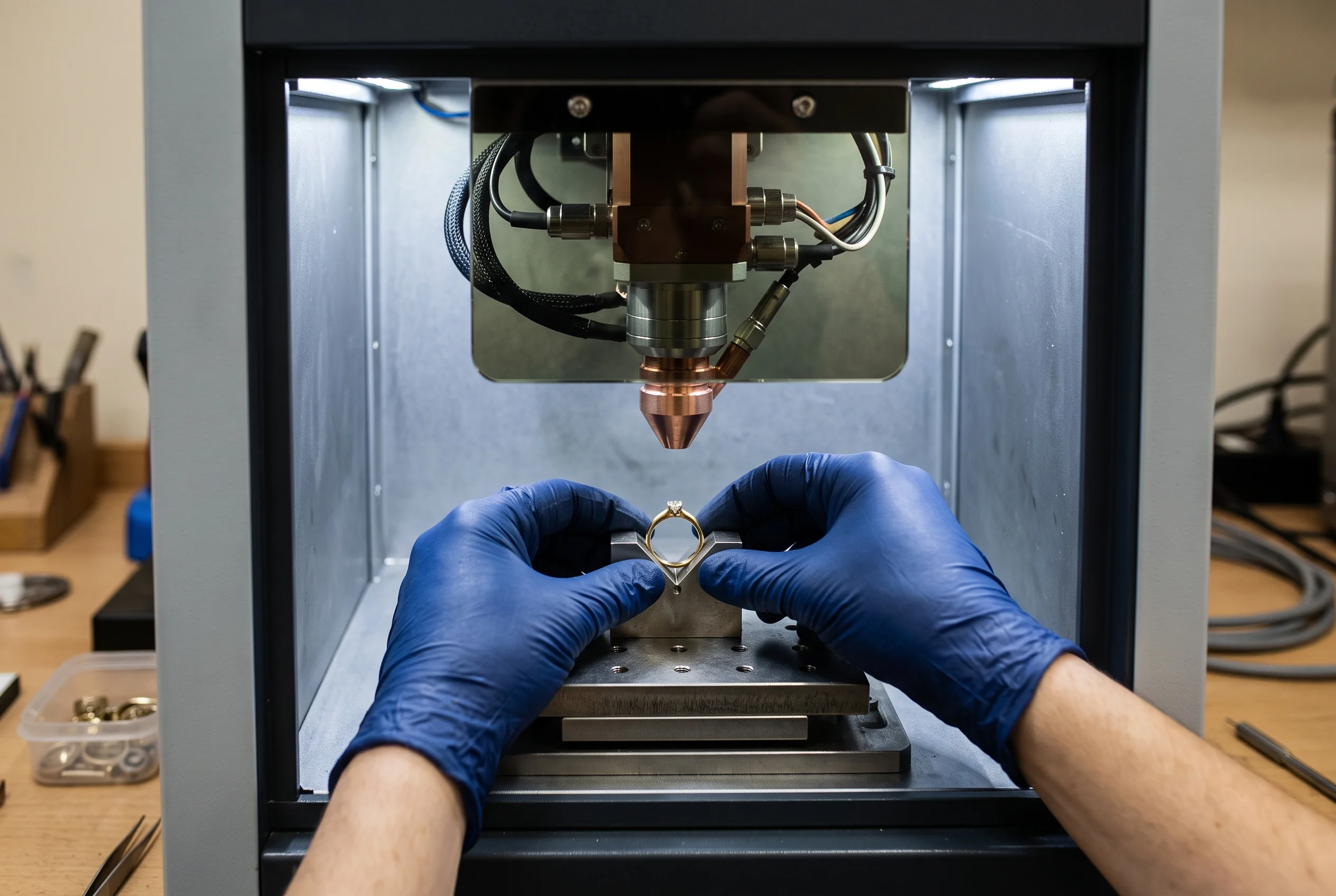
JewelryWelderPro supplies jewelry laser welders to repair shops, retail jewelers, goldsmiths, custom studios and manufacturers. We build and test the machines, help you pick one against the work you actually do, and stay reachable after it arrives.

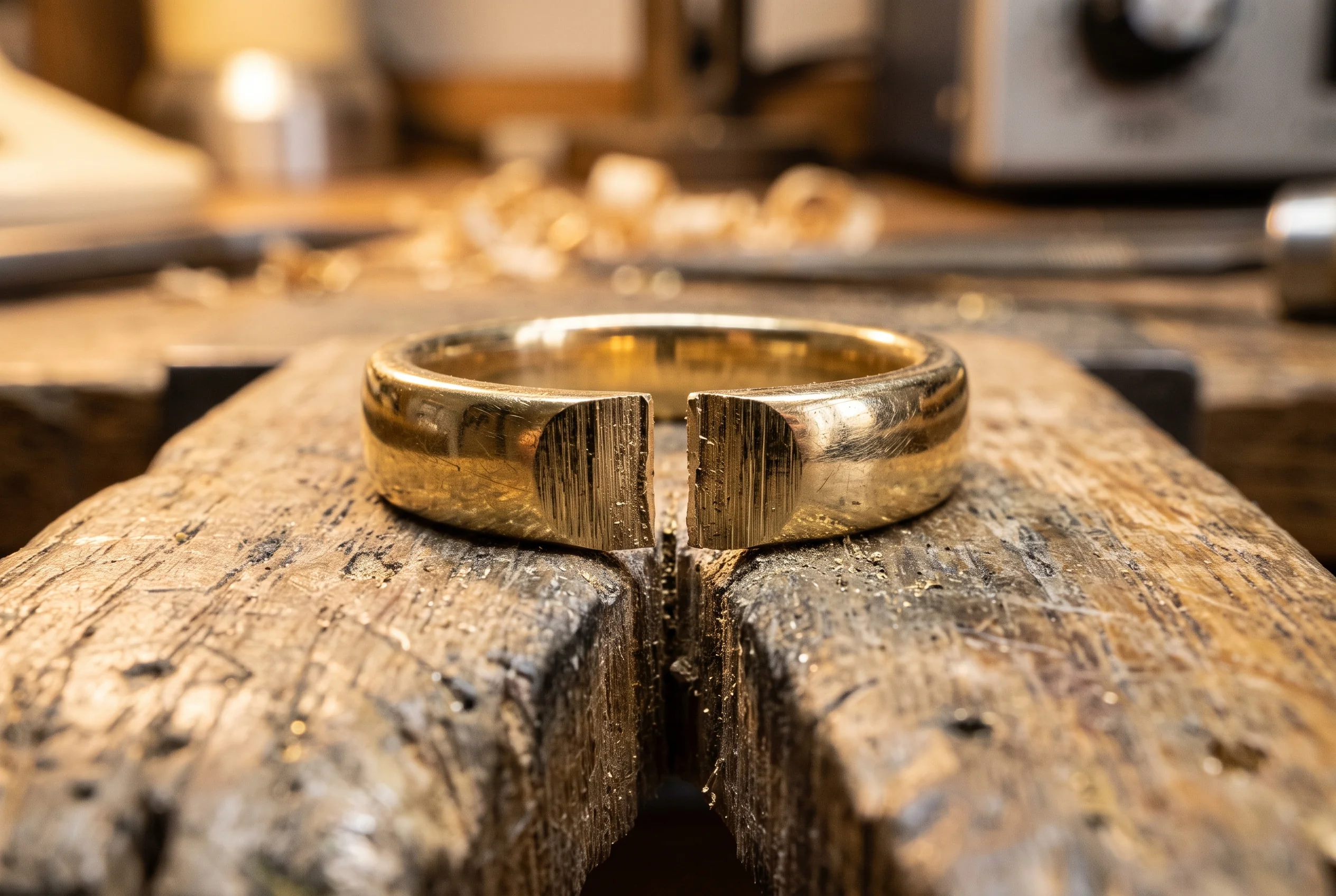
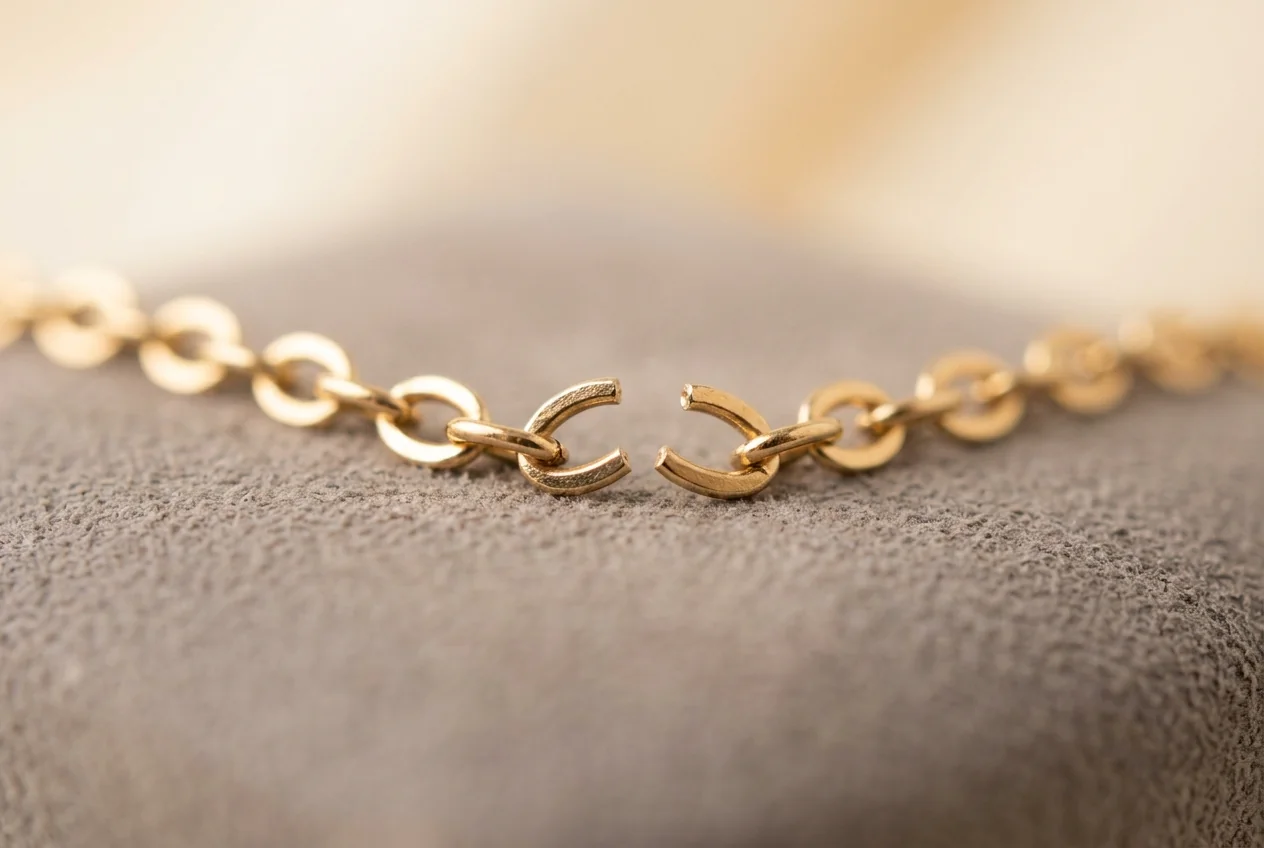
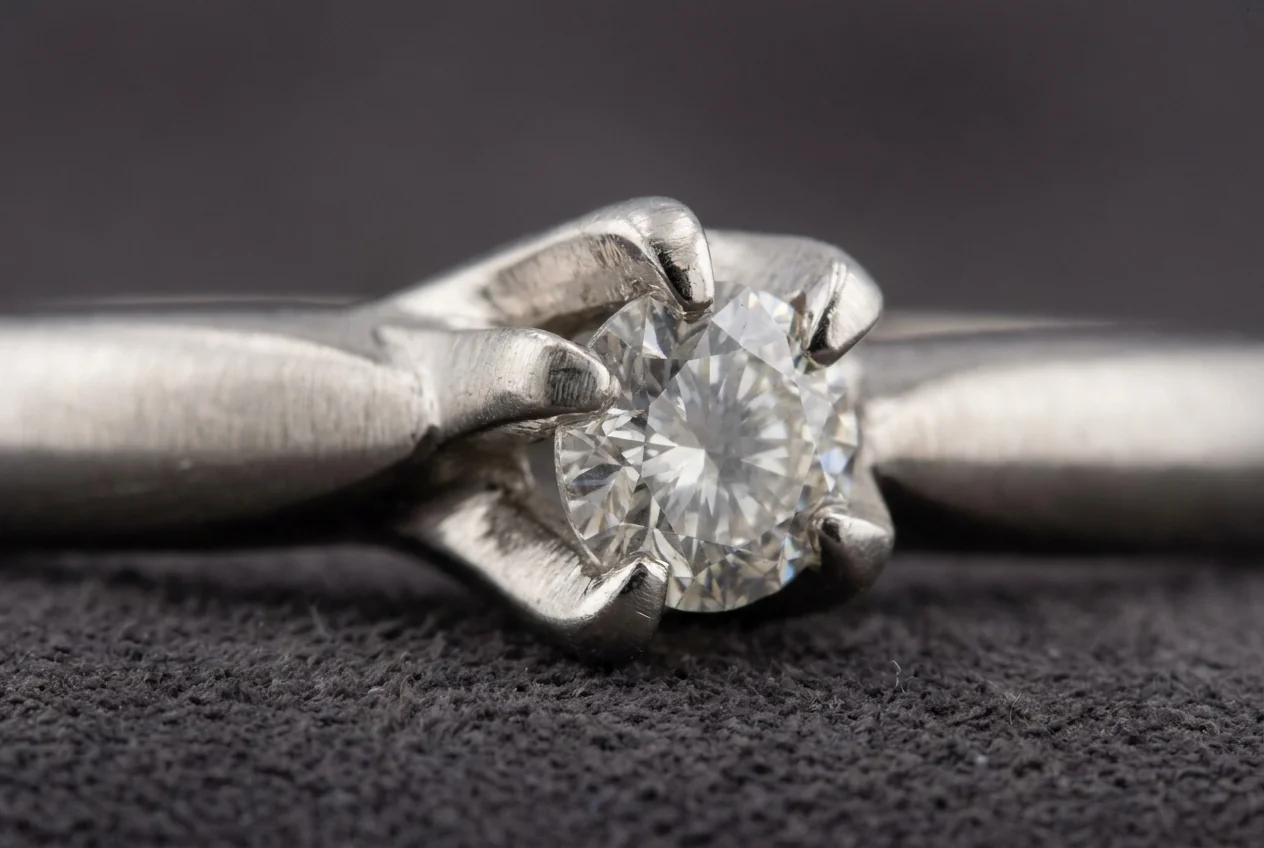
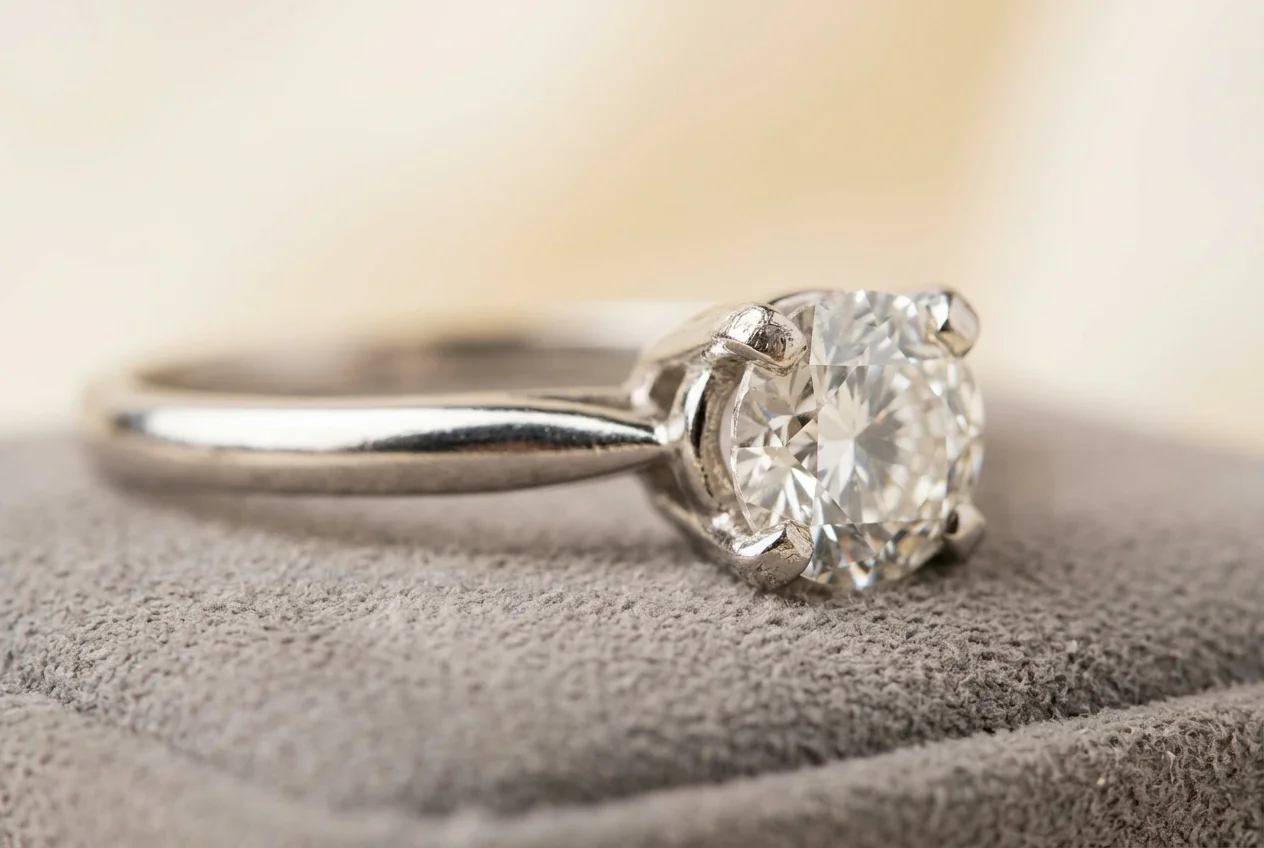
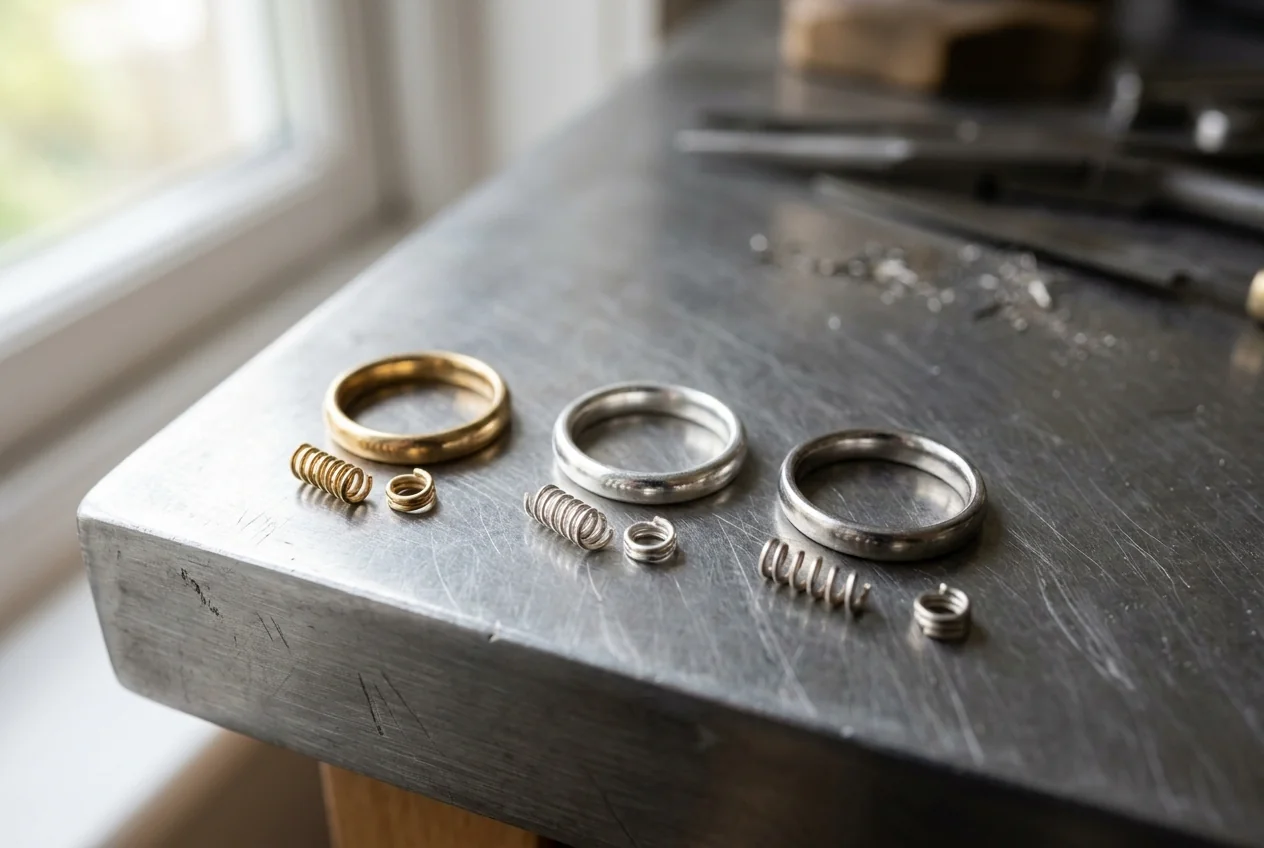
Jewelry welding is a narrow, awkward corner of laser welding. The joints are a few tenths of a millimetre, the metals are the most conductive and most reflective on the bench, and half the work happens beside a set stone.
General industrial suppliers sell into it with machines specified by wattage. That is the wrong number. A bench fails on spot size, pulse control and what the operator can resolve long before it fails on power.
So we do one category properly: jewelry laser welders, matched to applications rather than to a spec sheet, tested on the customer's own work, and supported by the people who assembled them.
The controls that decide a jewelry job are spot size, pulse width and steadiness at the bottom of the range.
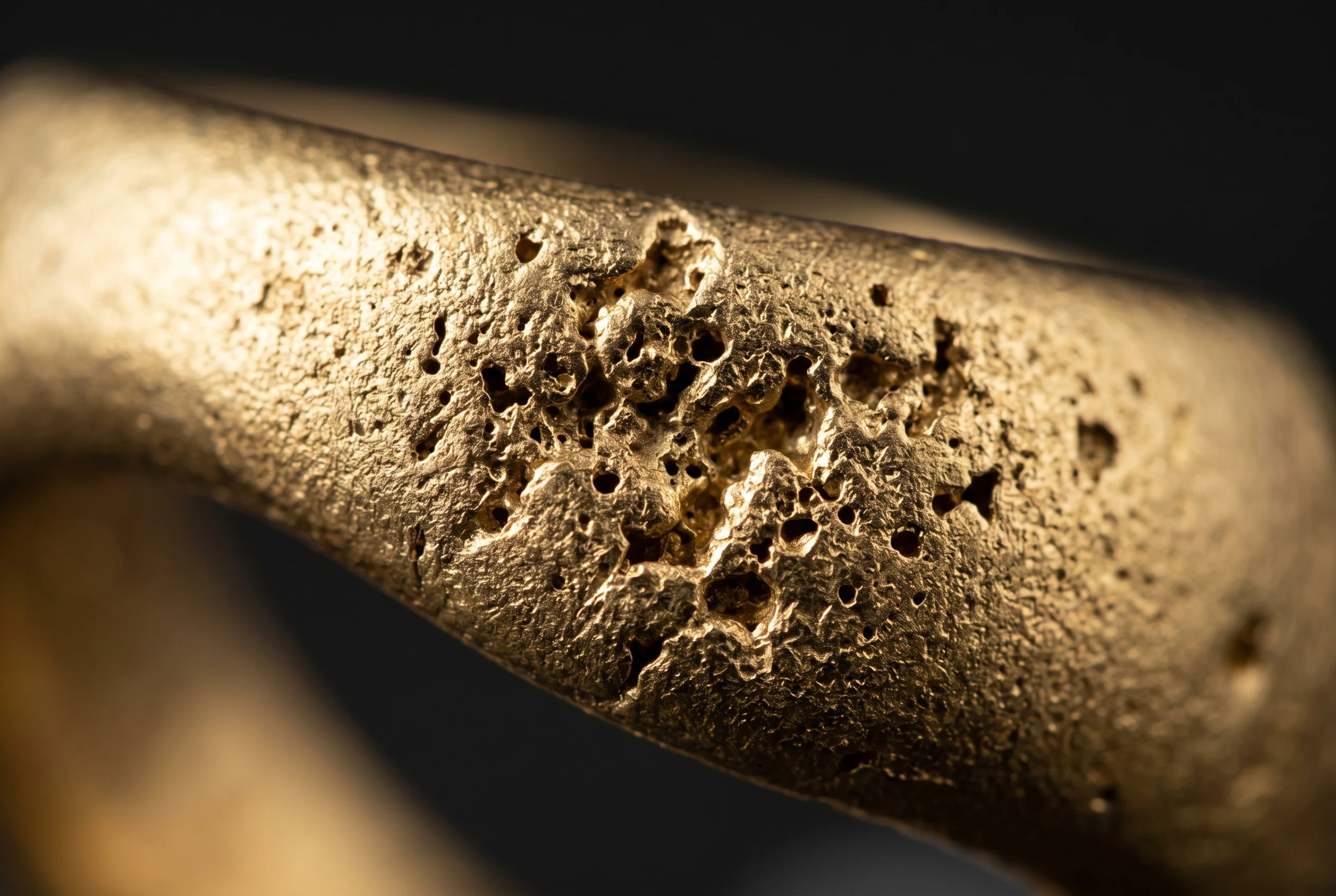
Chain, prong, sizing and porosity each fail on a different control. That is what a recommendation should be built on.
Parameters, consumables and the first difficult job are where a machine either earns its place or sits in a corner.
Three things, all of them the same machine seen from different distances.
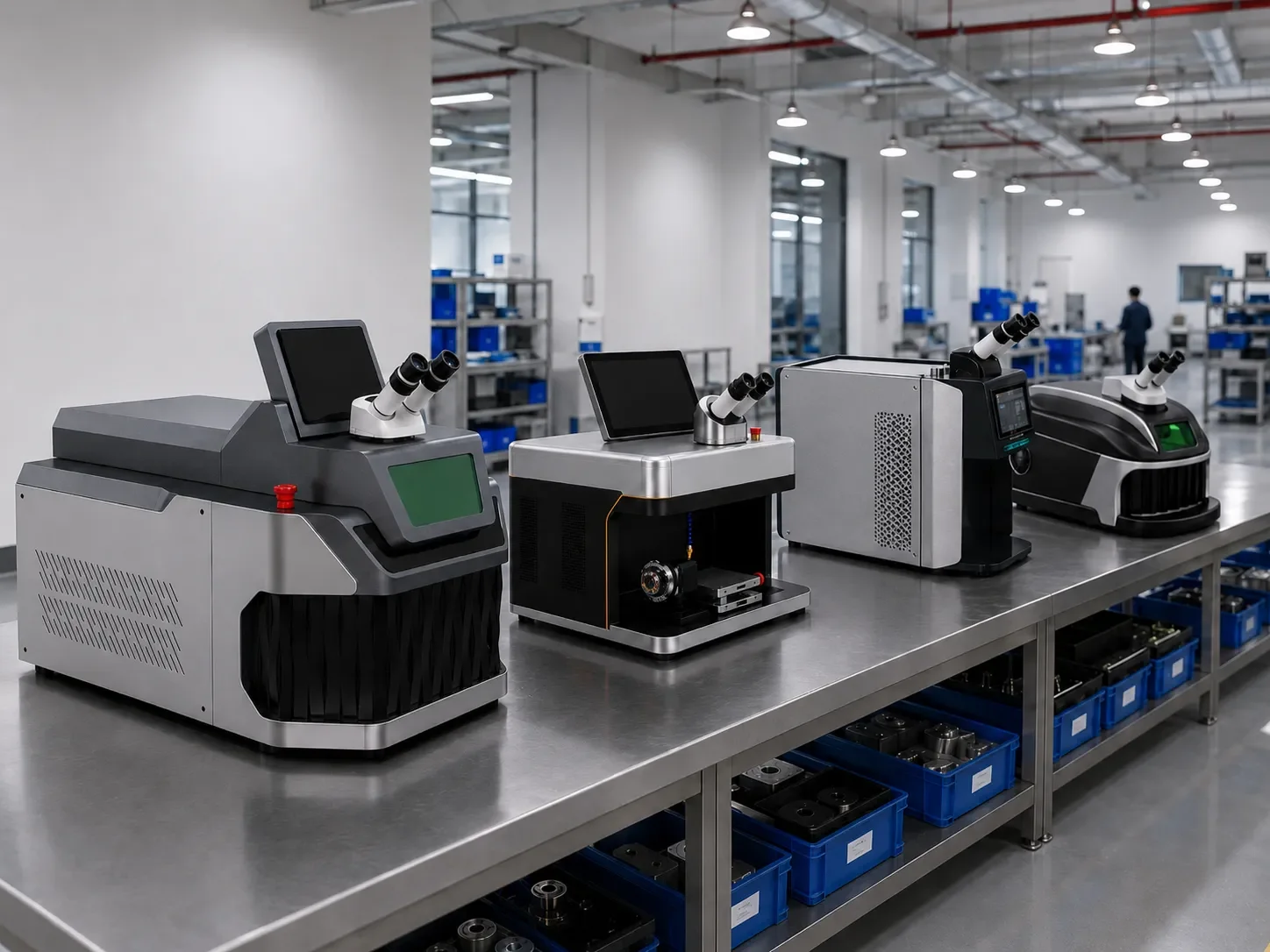
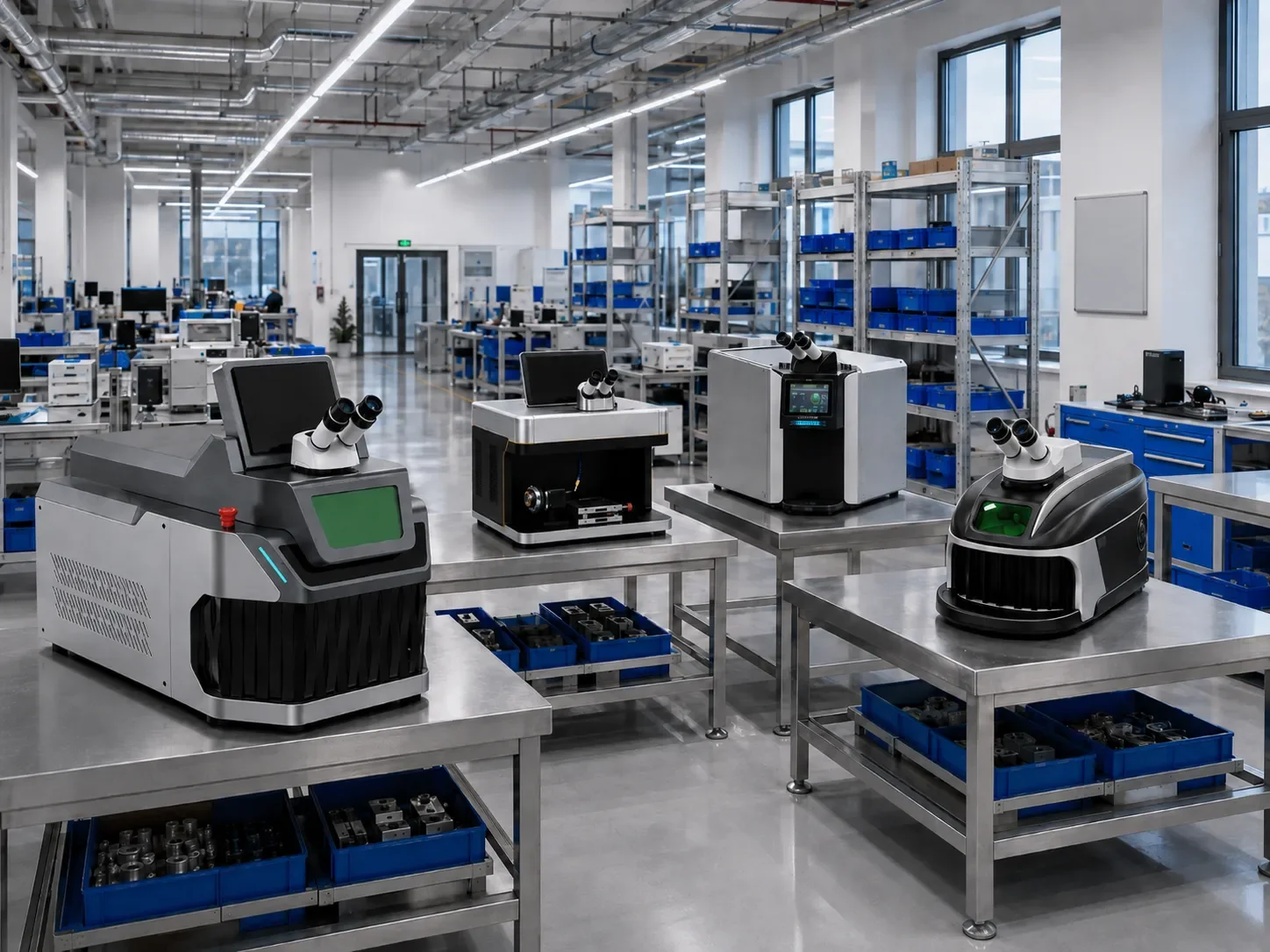
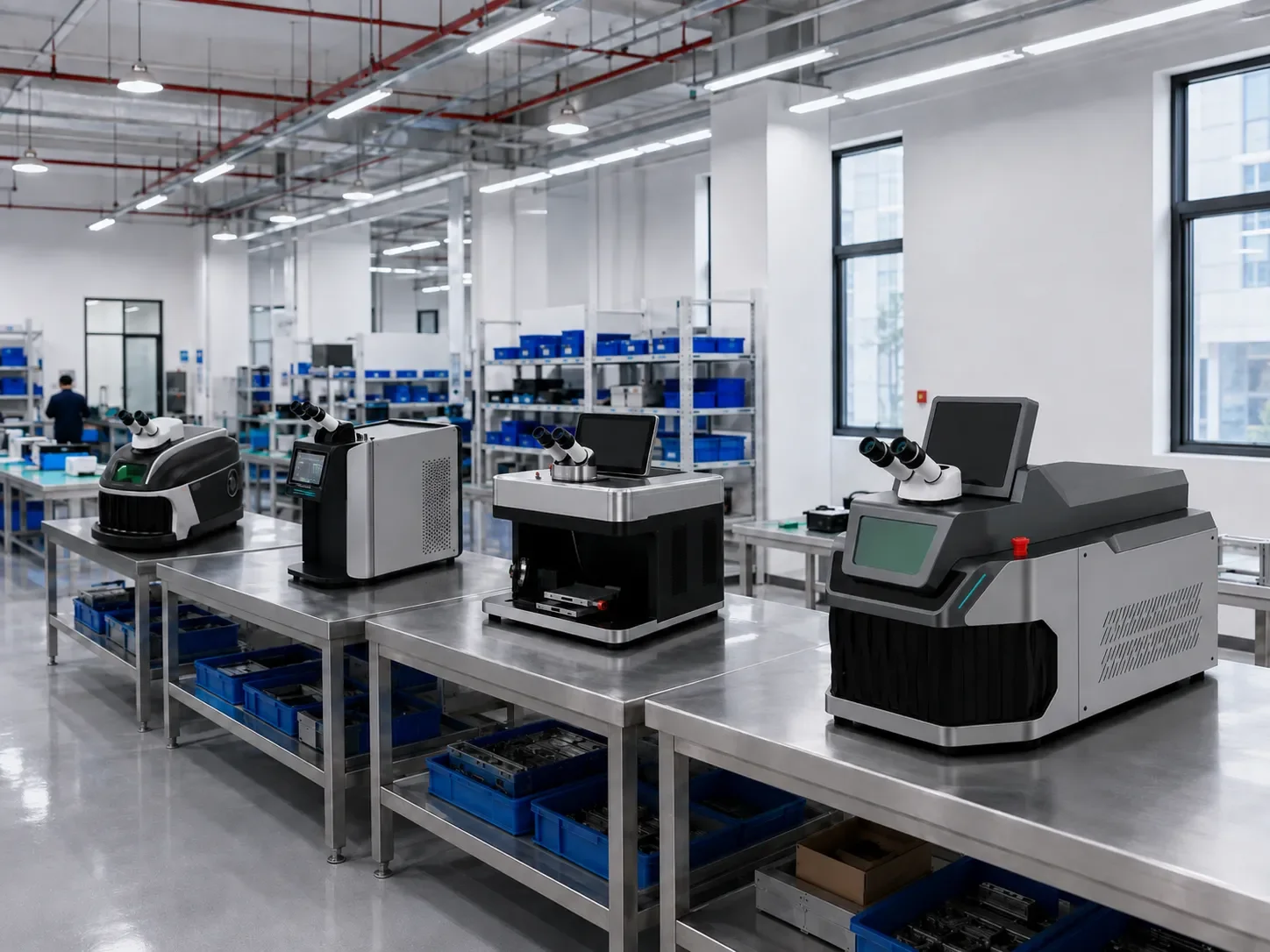
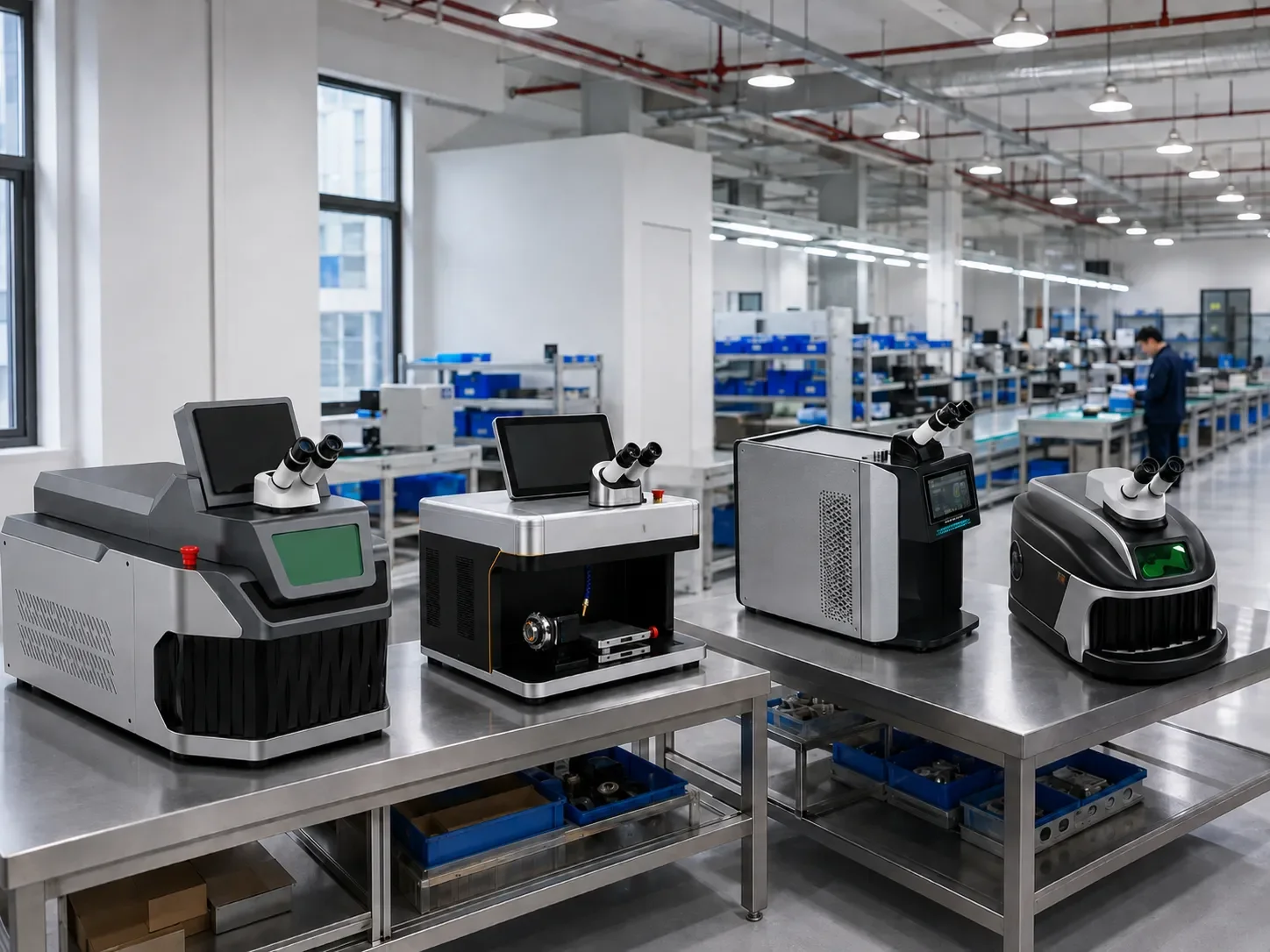
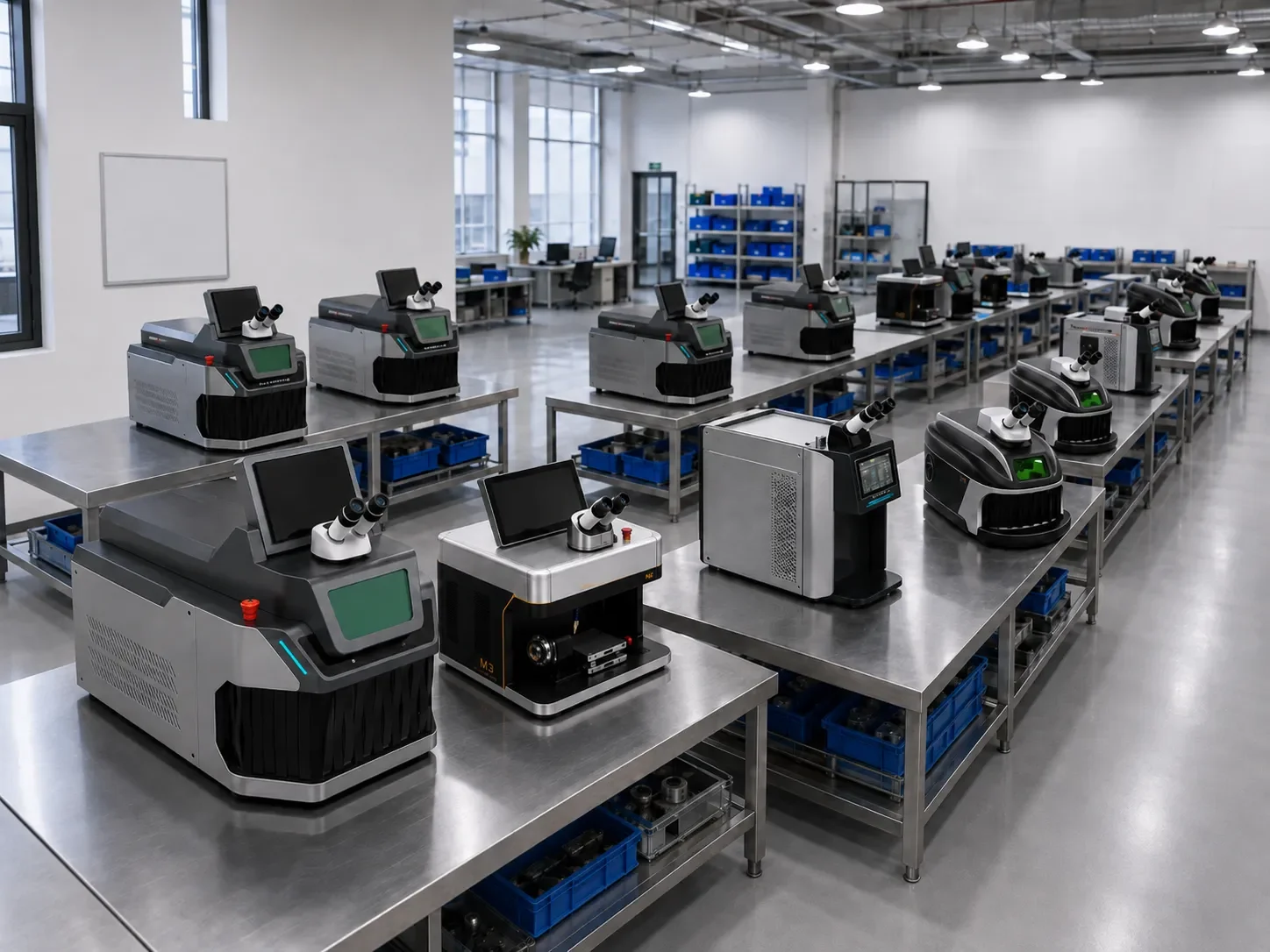
Four machines across the range, separated by optics, cooling and how long they can run — not by a wattage ladder.
Compare the range
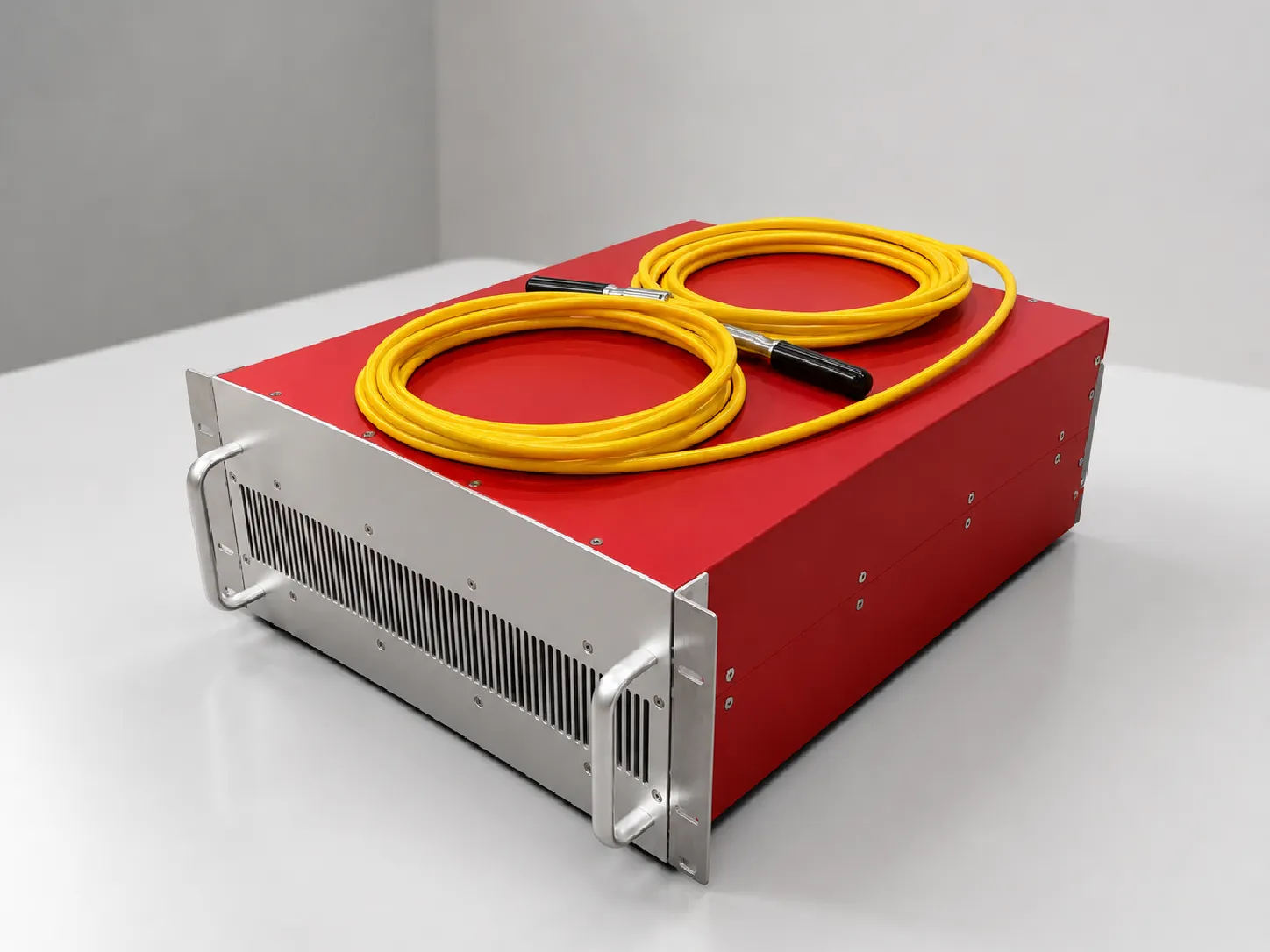
The part that actually decides pulse behaviour. We specify and replace sources against the machine rather than off a shelf.
See the platform
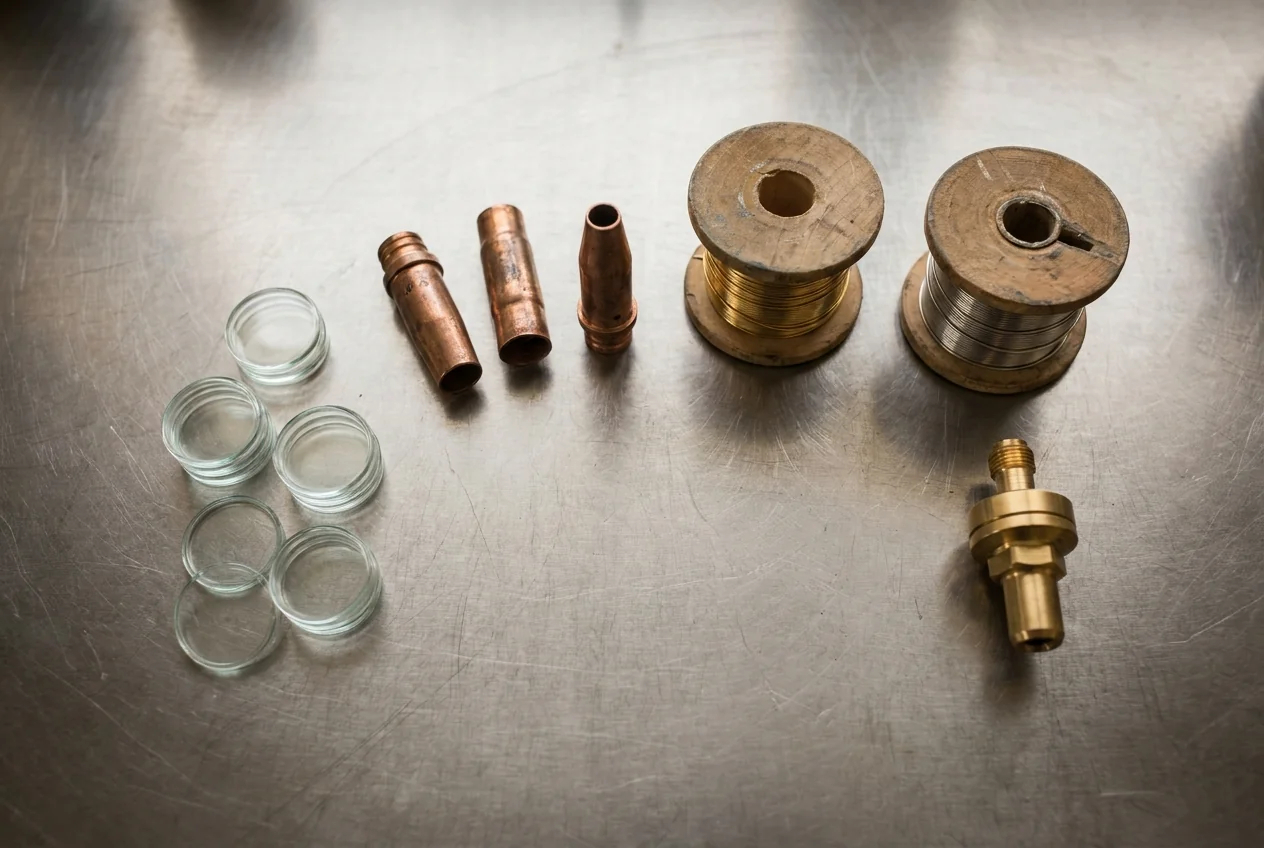
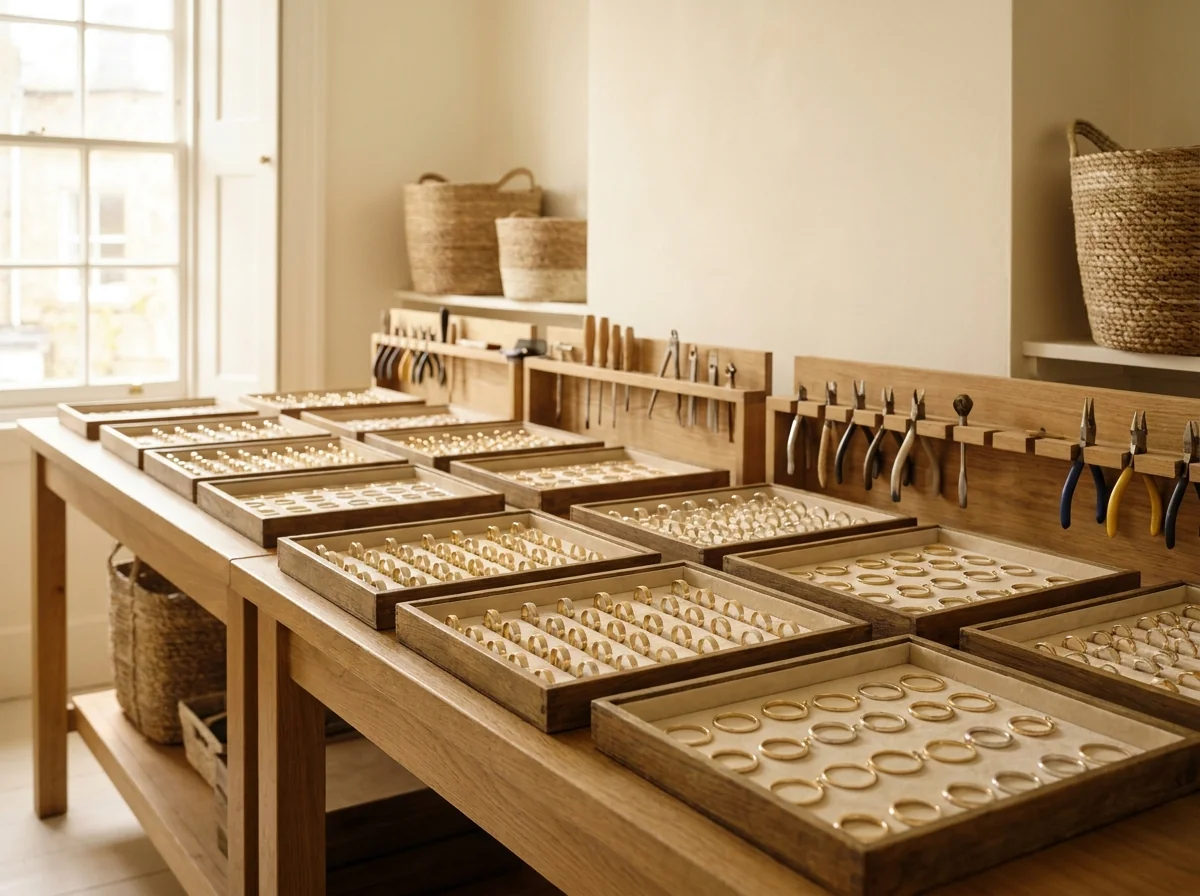
Rotary axes, fixtures, microscope heads and the consumables that run out — matched to your model before they ship.
Accessories & consumablesEvery recommendation starts from the work, so the site is organised that way too. Each of these has its own page — this one does not repeat them.
Four questions, in this order. Power is an outcome of them, not the starting point.
Which jobs your bench takes in, and which one you send out most often today.
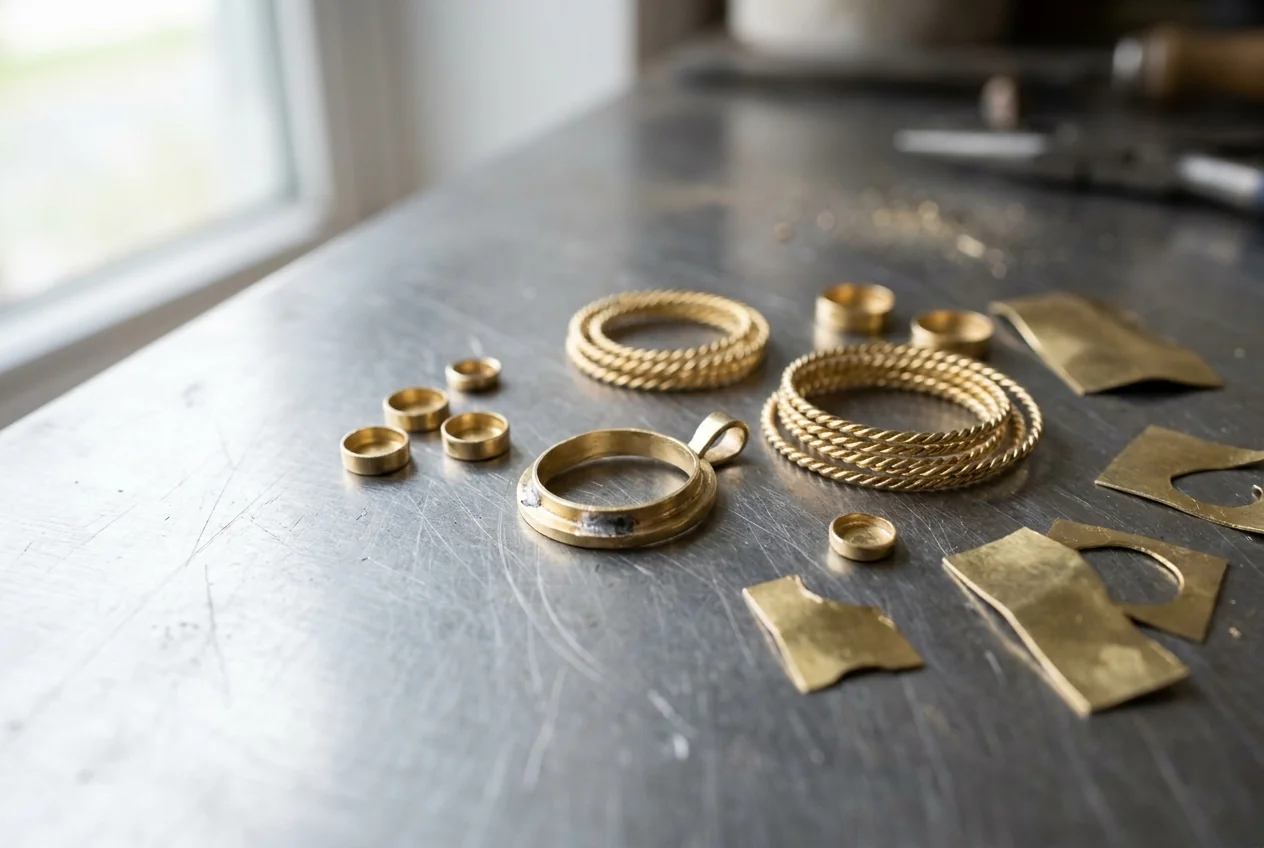
Gold by karat and colour, silver by alloy, platinum by family — each behaves differently under the beam.
How much of it, how often, and how many people at the bench. This is what decides cooling and duty.
Only now does a model come out — with the optics, fixtures and consumables that go with it.
We recommend against over-buying as readily as under-buying. A machine specified above the work is money spent on headroom nobody uses.

A datasheet cannot tell you whether a machine handles your work. Sending a piece can.
A scrap piece in your working alloy, or clear photos of the joint.
We weld it on the model we would recommend for your bench.
The result, the before / weld area / after views, and the reasoning.
What happens once the crate is open — the part of the decision that is hardest to judge from a website.
Siting, cooling, gas and optics alignment walked through rather than left to the manual.
Built around the jobs your bench takes in, so the first weld is real work.
Starting values by alloy, then stored presets so a proven setting is recalled, not re-found.
Photo, video or live guidance when a weld fails or the machine alarms.
Wear parts and consumables identified from your model and serial before you order them.
The full picture, from delivery day to a new material two years in.
Training & supportMachines are assembled, checked and weld-tested before they are packed. Five stages, in order.

Source, optics, cooling and controls built into the housing on the bench they will be tested on.

Electrical, cooling and control systems brought up and checked before any energy reaches the head.

Laser output, optical path and viewing system checked and aligned against the machine's own specification.

A real jewelry weld on the finished machine. A unit that has not welded metal has not been tested.

Configuration, accessories, optical protection and documentation checked against the order before the crate closes.
Five kinds of bench, with five different reasons for buying.
Bringing prong, sizing and chain work back off a trade bench.
Assessing a repair in front of the customer instead of posting it away.
Fine work where spot size and optics decide what is possible.
Tacking and joining components without committing to a soldered joint.
Batch work, multiple operators, and consistency that survives staff changes.
Most benches are somewhere between two of these. Tell us what you weld and we will work it out from the jobs rather than the label.
Talk to usThe alloys, the repairs and roughly how much of it a month. That is enough for us to point at a model — and to weld a piece of yours first if you want to see it.