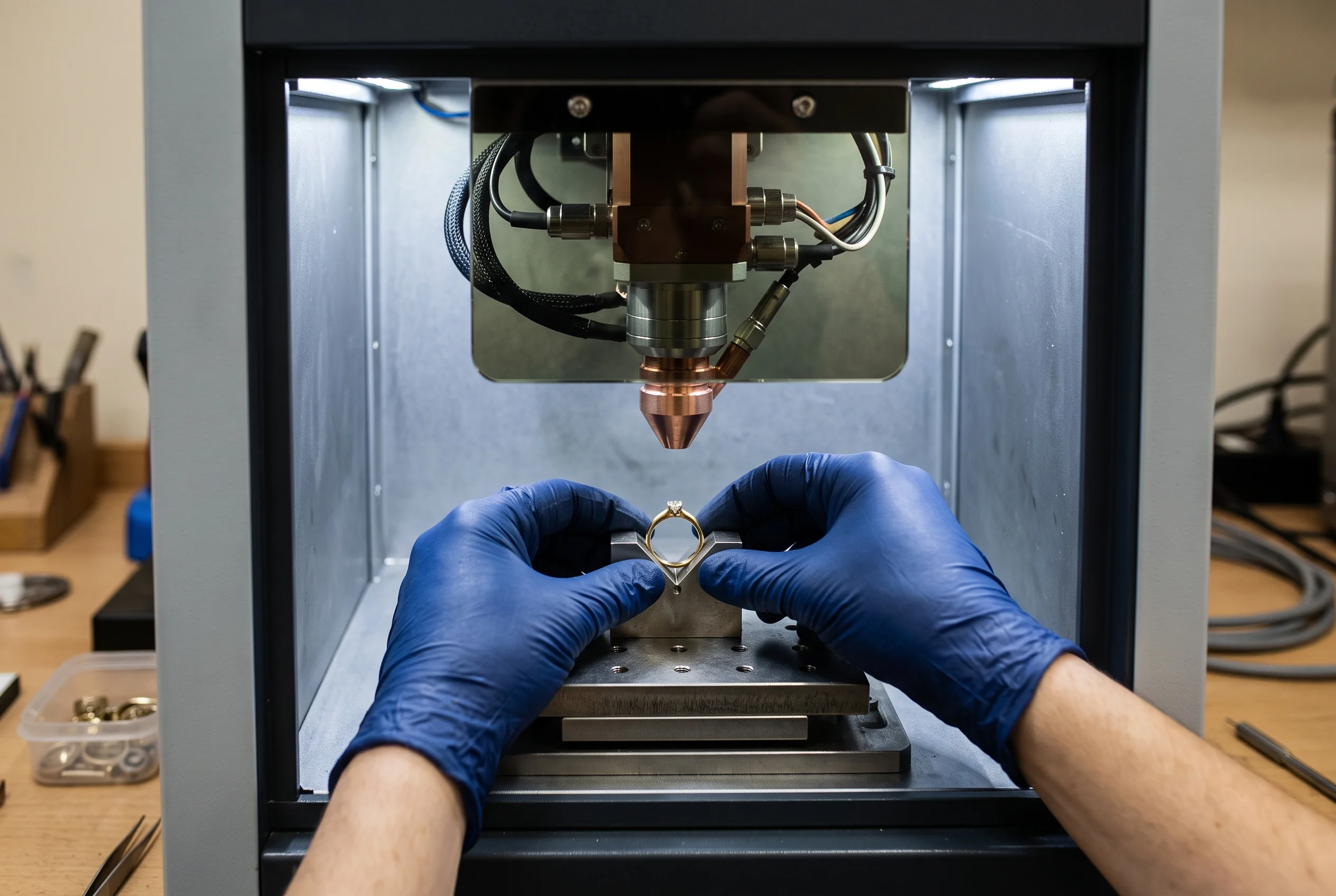
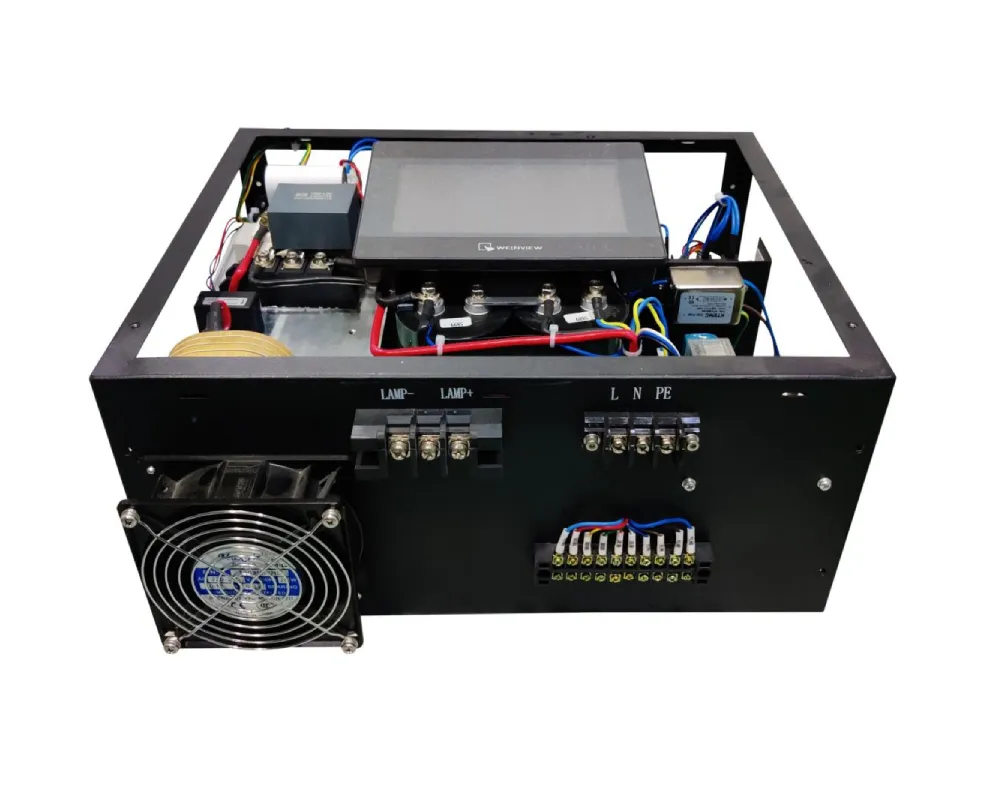
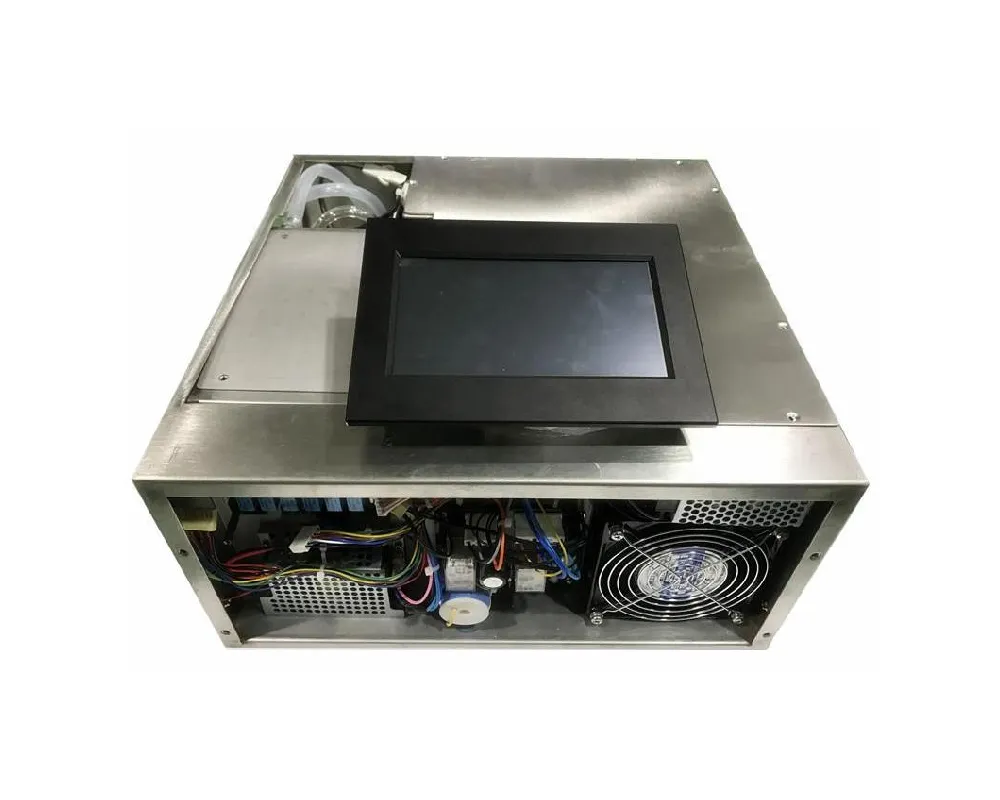
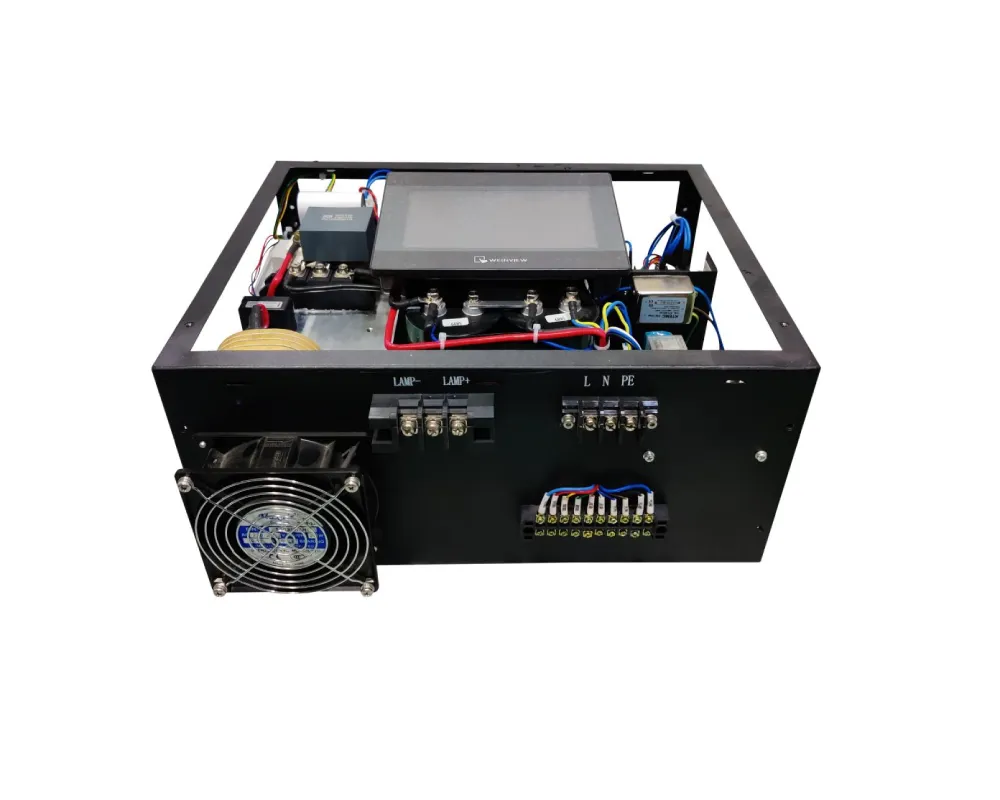
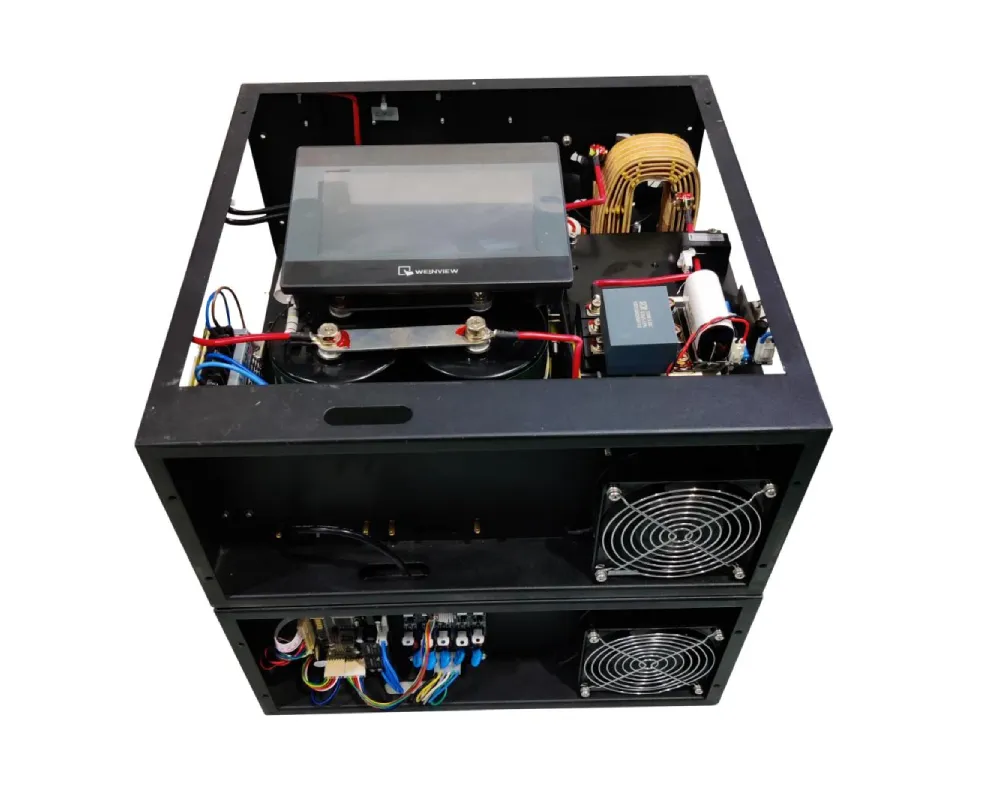
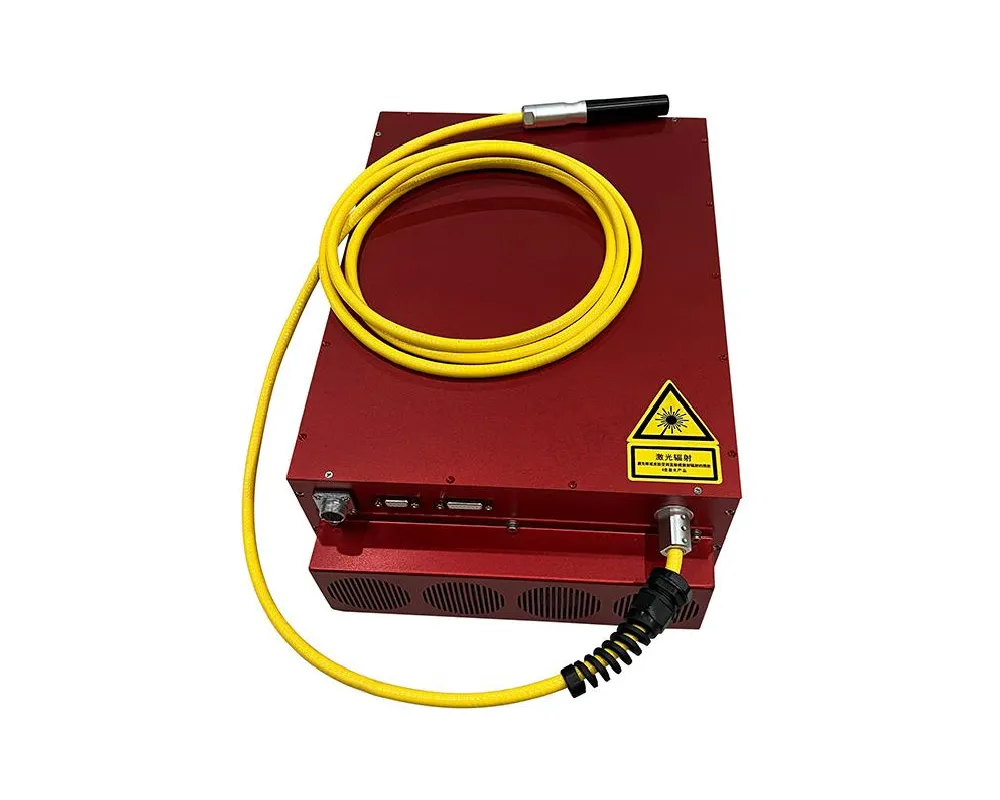
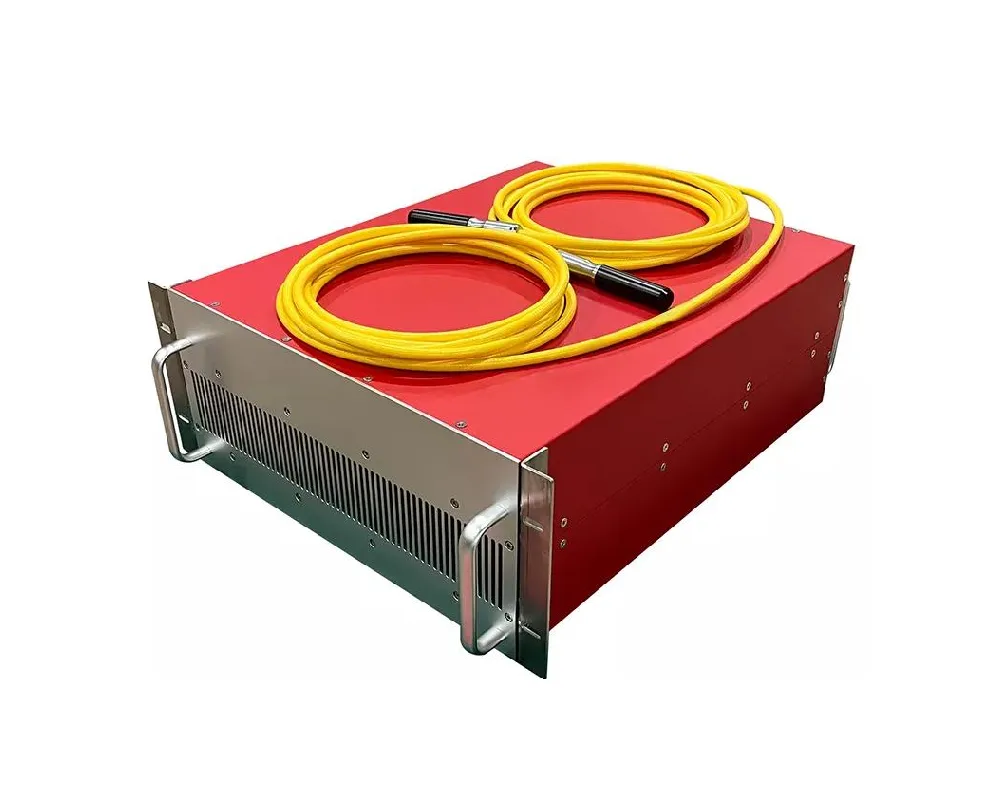
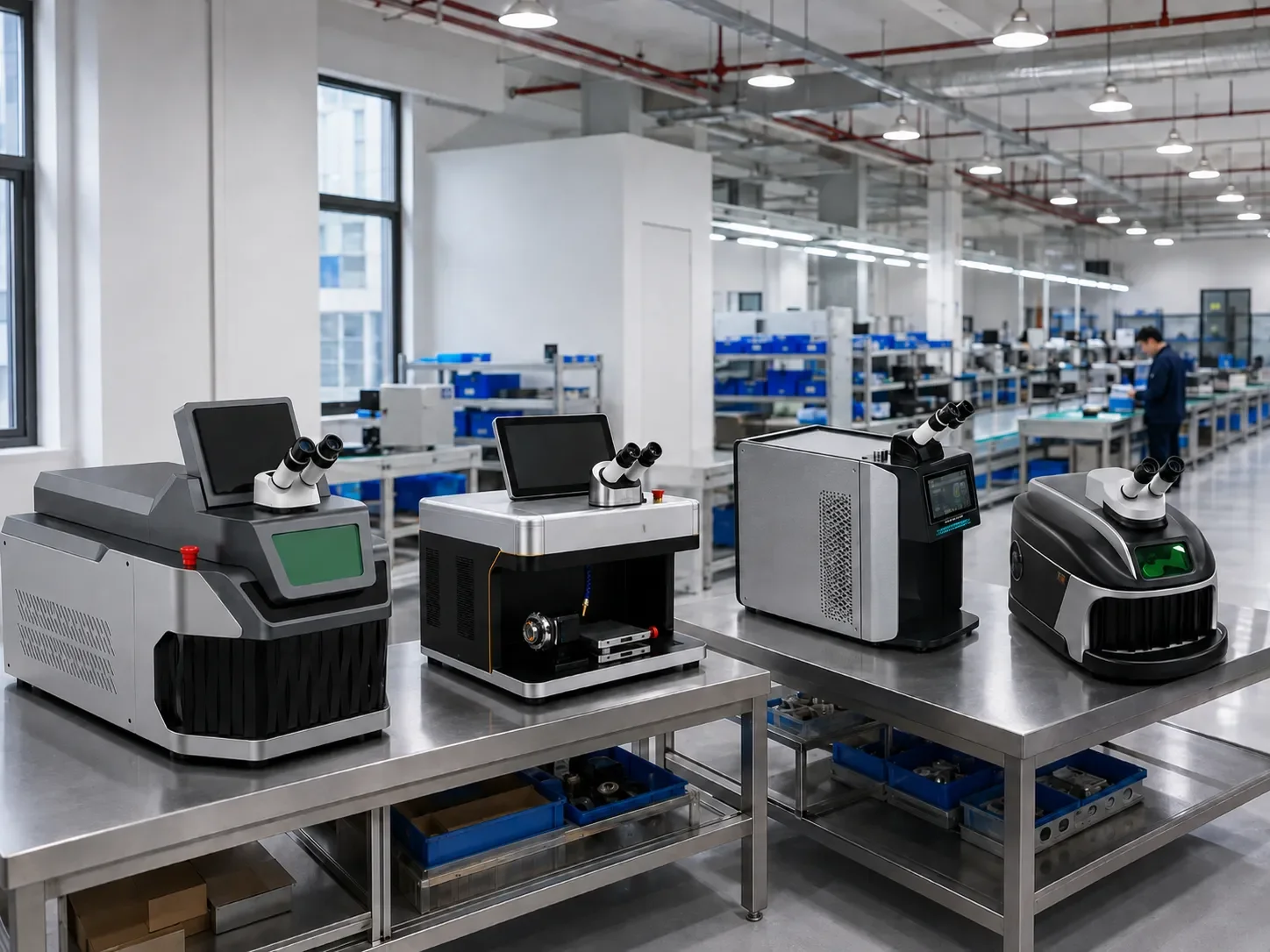
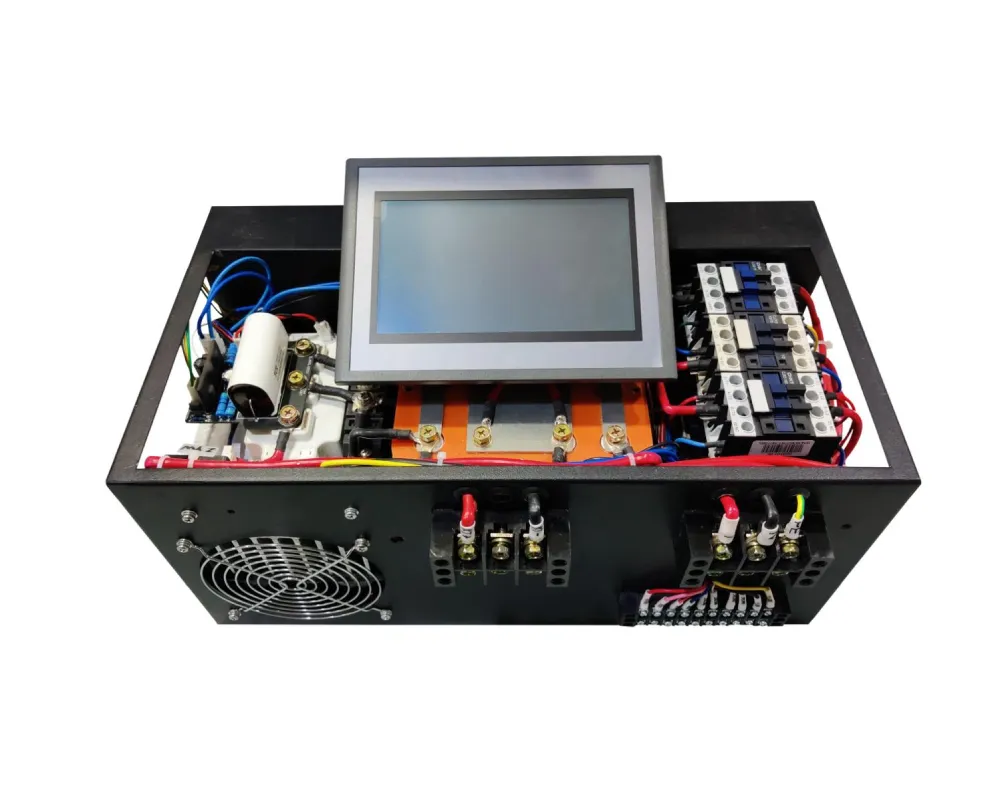
Need to replace a failed laser source, upgrade an existing machine, or build a new jewelry laser welding system? We supply lamp-pumped YAG power platforms and QCW fiber laser sources in multiple power configurations, with compatibility matching before you order.
Send us your machine model or a photo of the existing laser source label — our technical team will help match the right configuration.
Four reasons people arrive on this page. Each one changes what we need from you before we can quote.

The machine is down. We match the replacement to what is in it now — architecture, power, feedback mode and cooling.
We need: machine model + the label on the old sourceMore power or a different pulse behaviour. The limit is usually cooling and the electrical supply, not the source itself.
We need: current configuration + what you want it to doBuilding a source into your own system. Optical and mechanical interfaces get confirmed before anything is committed.
We need: your interface, control and volume expectationsKeeping one on the shelf so a failure costs a swap rather than a shipping wait. Common on production floors.
We need: the machines it has to coverEight configurations across two architectures. Pick the tab that matches what your machine is built on.
A proven laser architecture for jewelry welding machines, available in multiple power and feedback configurations for replacement, upgrade and OEM applications.
Compact fiber-based laser sources with electronically controlled pulses and high peak output for precision and repeat welding applications.
Five things we work through with you. Sending a photo of the existing source label covers most of steps two and three at once.
Brand and model, and the serial if you have it to hand.
What is in it now — architecture, power and the model on the label.
How it is cooled and what supply it runs on. This is where upgrades usually stop.
Replacement, upgrade, OEM or spare stock — each has a different right answer.
We come back with what fits, what would need changing, and what it costs.
Two sources with the same number on the label can be entirely different parts. Six things have to line up.
Lamp-pumped YAG and QCW fiber are not interchangeable. This is decided before power is even discussed.
On QCW the peak inside the pulse sits far above the average rating. Matching one without the other gets you the wrong part.
Voltage and current feedback platforms drive the lamp differently, and the control side expects one of them.
Heat load has to land somewhere. A more powerful source in the same cooling circuit is an upgrade that fails in week two.
Supply voltage, phase and current draw at the destination — checked before shipping, not after it arrives.
Mounting, beam delivery and the space it has to occupy. The commonest reason a correct source still will not go in.
The core differences, and which bench each one suits.
| Aspect | Lamp-Pumped YAG Platform | QCW Fiber Laser Platform |
|---|---|---|
| Architecture | Flash lamp excites a YAG rod; energy shaped by the discharge circuit. | Diodes driven electronically; beam delivered through fiber. |
| Output capability | Average and peak are closely tied to the lamp discharge. | Peak inside the pulse rises far above the average rating. |
| Cooling | Heat load scales with lamp discharge; a dedicated water tank is available. | Diode drive generates heat in a smaller, more contained volume. |
| System size | Cavity, lamp and cooling occupy real bench or floor space. | Fiber delivery allows a more compact head and layout. |
| Typical workload | Repair and fabrication where a familiar pulse feel matters. | Repeat runs where the same pulse must land many times over. |
| Maintenance | Lamp and cavity are consumable, serviceable items on a schedule. | No lamp to change; service centres on the drive and fiber path. |
| Suitable user | Benches already trained on lamp-pumped behaviour and settings. | Teams standardising a process across operators and shifts. |
Average and peak kept separate, because on QCW they are different numbers and both matter.
| Platform | Architecture | Average power | Peak capability | Feedback mode | Cooling | |
|---|---|---|---|---|---|---|
| 150 W single-lamp | Lamp-pumped YAG | 150 W | Pulsed; set by pulse width and energy | Voltage feedback | Standard | Get price |
| 200 W single-lamp | Lamp-pumped YAG | 200 W | Pulsed; set by pulse width and energy | Current feedback | Standard | Get price |
| 200 W single-lamp, water tank | Lamp-pumped YAG | 200 W | Pulsed; set by pulse width and energy | Current feedback | Dedicated water tank | Get price |
| 300 W single-lamp | Lamp-pumped YAG | 300 W | Pulsed; set by pulse width and energy | Voltage feedback | Standard | Get price |
| 500 W double-lamp | Lamp-pumped YAG, two lamps | 500 W | Pulsed; set by pulse width and energy | Current feedback | Standard | Get price |
| QCW 200 W – 2,000 W | QCW fiber | 200 W | 2,000 W | Electronic pulse drive | Standard | Get price |
| QCW 300 W – 3,000 W | QCW fiber | 300 W | 3,000 W | Electronic pulse drive | Standard | Get price |
| QCW 400 W – 4,000 W | QCW fiber | 400 W | 4,000 W | Electronic pulse drive | Standard | Get price |
The part of an upgrade people forget until the machine starts derating in the afternoon.
Sized around the original heat load. Fine for a like-for-like replacement, and the first thing to check on any upgrade.
Available on the 200 W lamp-pumped platform. Adds capacity where a standard circuit would be working at its limit.
A higher-power source in an unchanged circuit is the most common failed upgrade. We check this before quoting the source.
Five steps. Nothing ships until step two is settled in writing.
Model, existing source label, cooling and supply — a photo covers most of it.
We come back with what fits and what would have to change.
Configuration agreed, with cooling and electrical requirements written down.
Output and configuration checked before it leaves, and a sample weld where the source ships in a machine.
Fitting and commissioning support so a replacement does not become a second problem.
Three checks on the source itself. The full production and QC sequence is on its own page.

Run and measured across the range the configuration is specified for.
Architecture, power, feedback mode and cooling verified against your order.
Where the source ships inside a machine, it welds real metal before packing.
The more of this you can fill in, the fewer emails it takes. A photo of the source label covers several fields at once.