FACTORY-DIRECT JEWELRY LASER WELDING EQUIPMENT

Precision Laser Welding Equipment for the Jewelry Industry

From single-stone repairs to full-scale manufacturing, our jewelry laser welders deliver seam-free, heat-controlled welds on gold, silver, platinum, and titanium — trusted by repair shops, goldsmiths, and manufacturers worldwide.

Factory-Direct
No Middleman
Four Model
Tiers
Application-Tested
Sample Welds
Remote
Technical Support
2-Year Warranty
Free US Shipping
Free Training Included

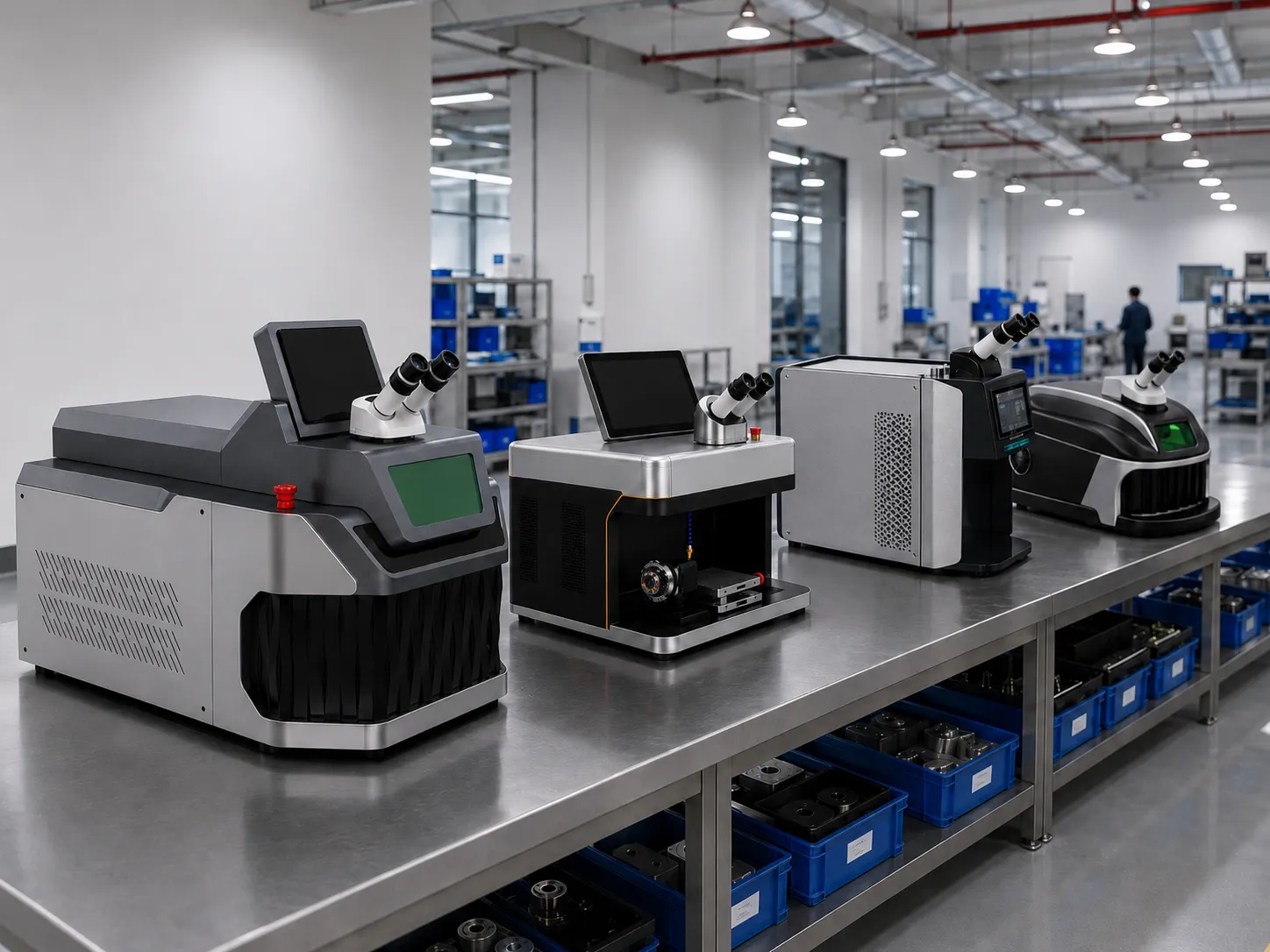
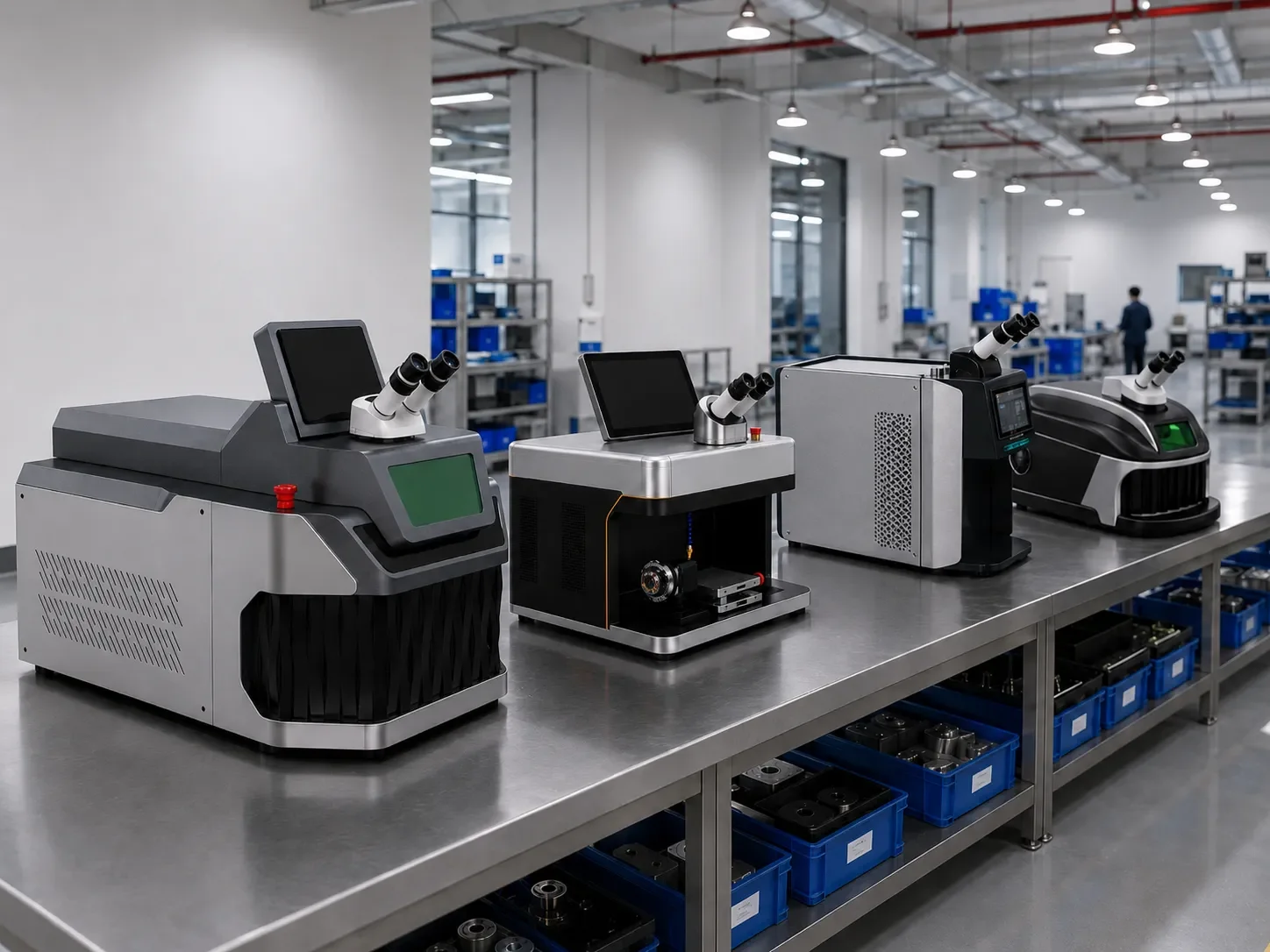
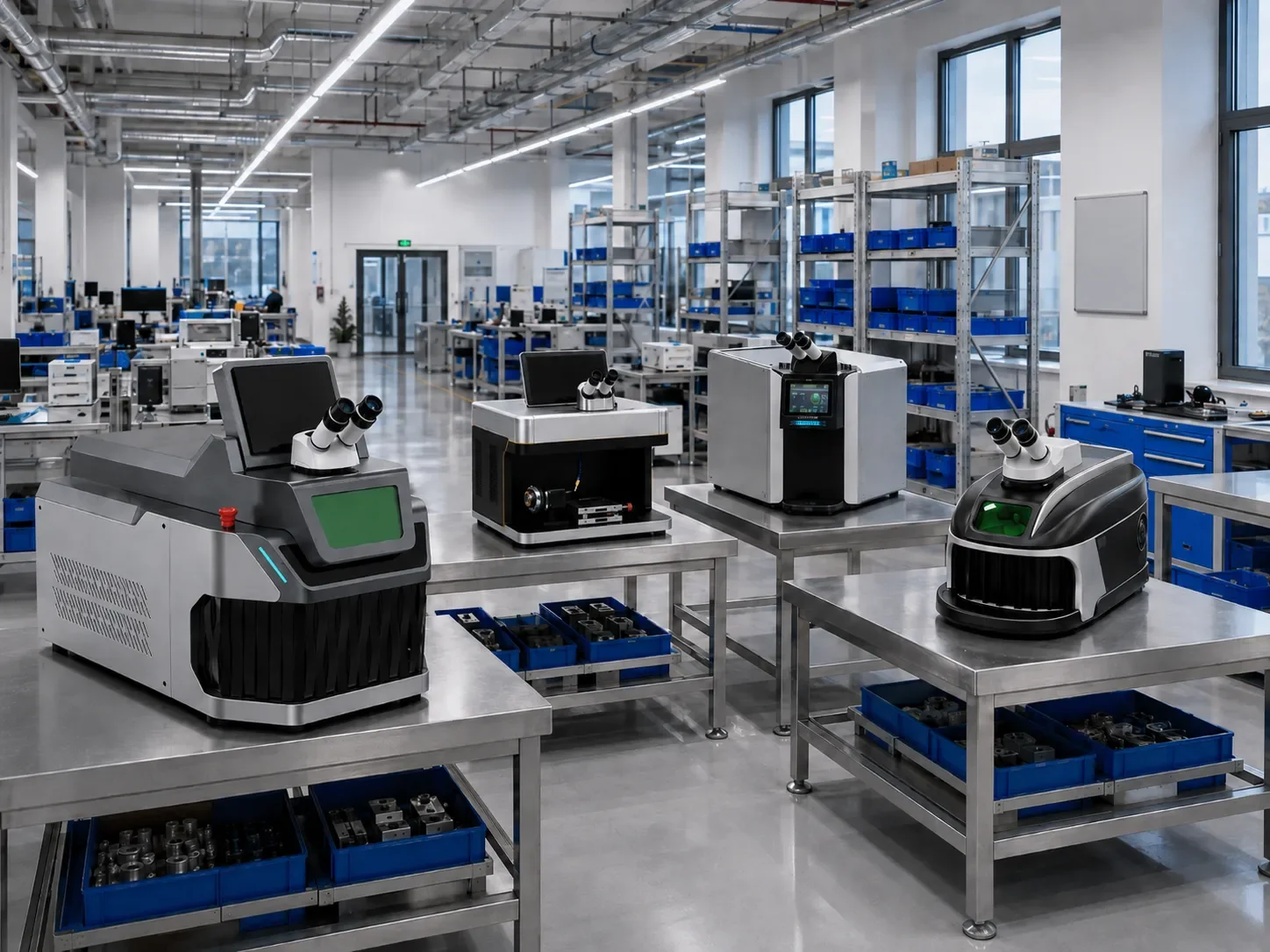
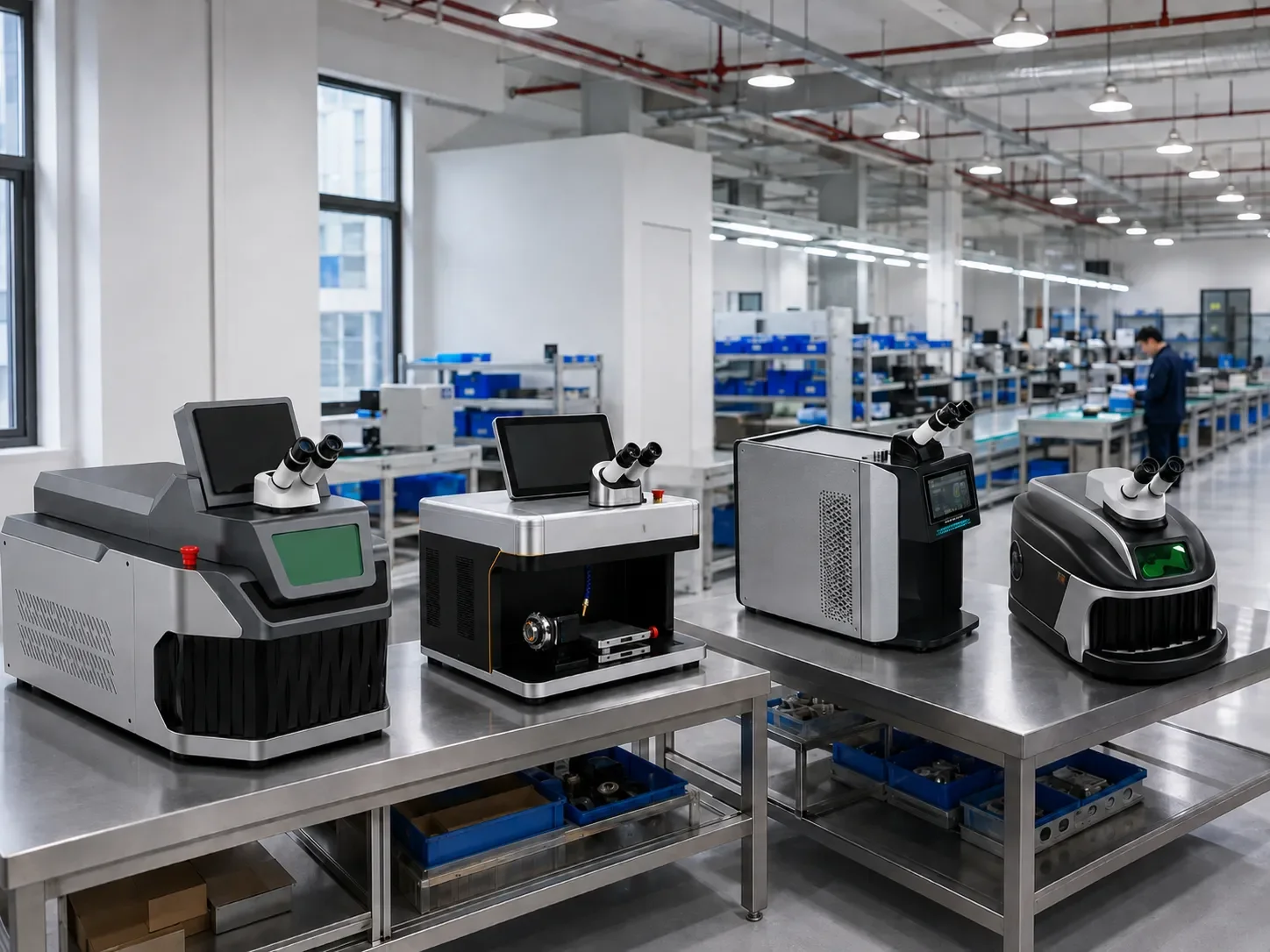
Jewelry Laser Welding Machines

Choose from our range of laser welders engineered specifically for jewelry repair, custom goldsmith work, and high-volume manufacturing environments.
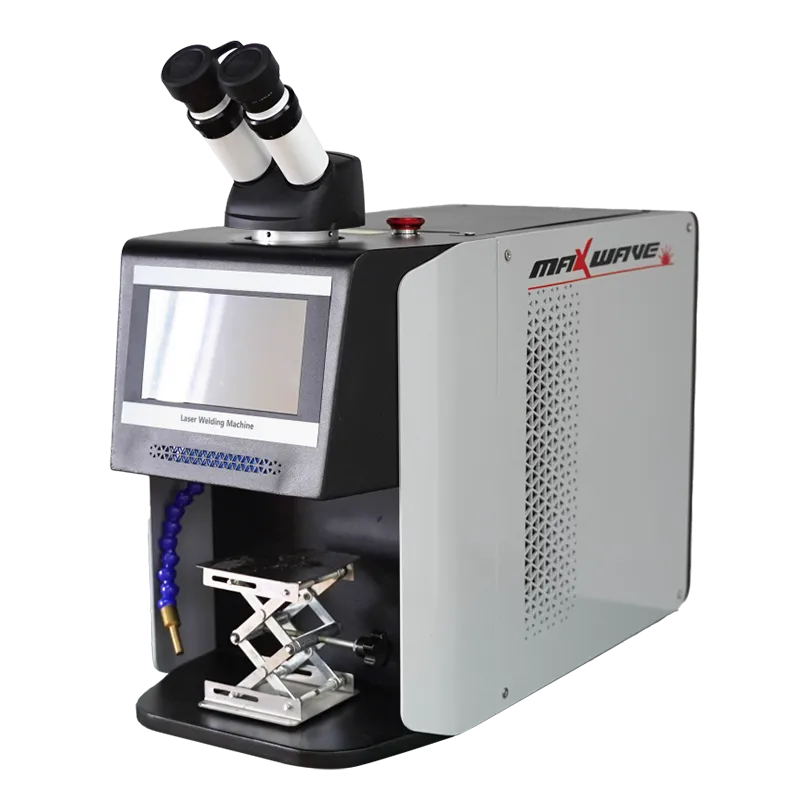
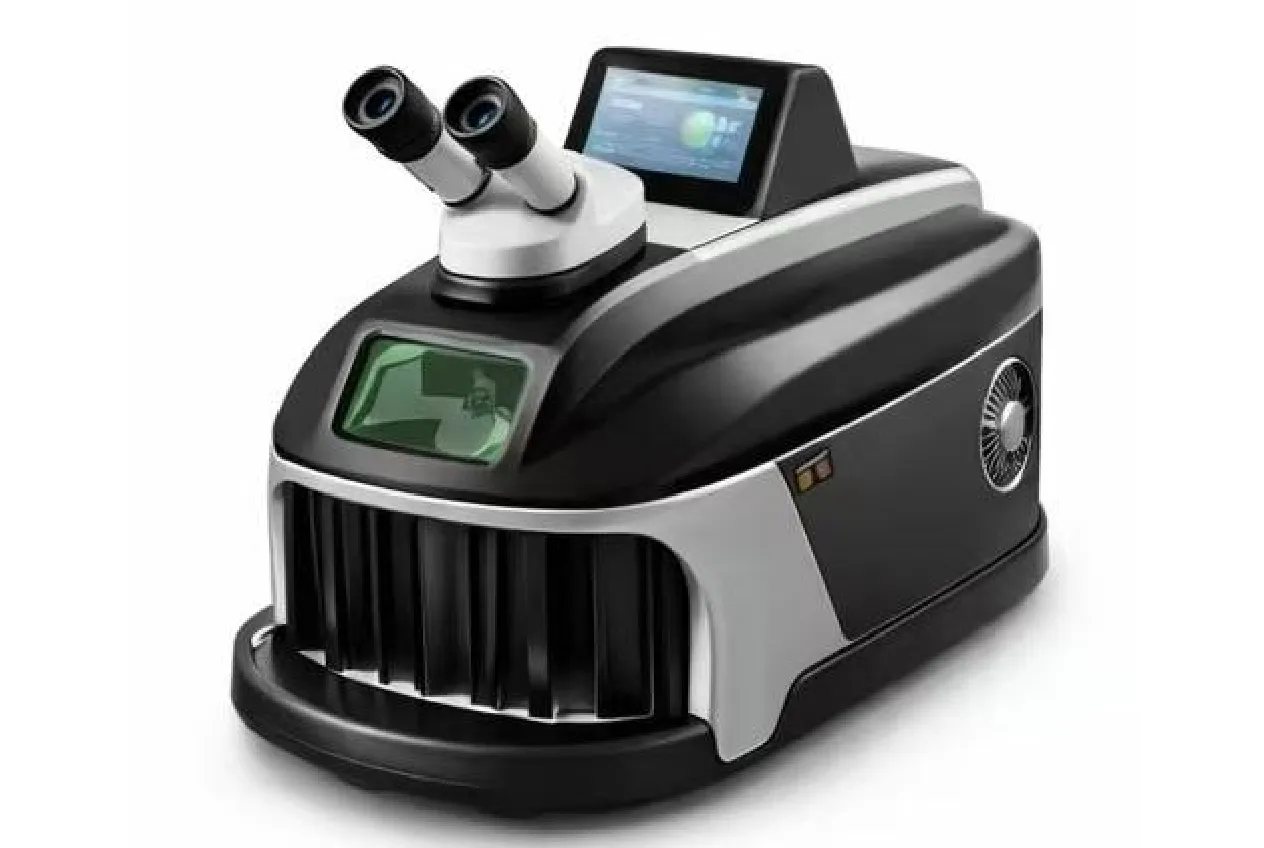
Compact Jewelry Laser Welder Works Longer

QCW Series — Continuous-Duty Jewelry Laser Welder

Runs continuously through high daily workloads with stable output

  • 60W Pulse Laser Output
  • 10x Zoom Microscope
  • Compact Desktop Design
  • Ideal for Gold, Silver, Platinum
Professional Laser Welder Does More

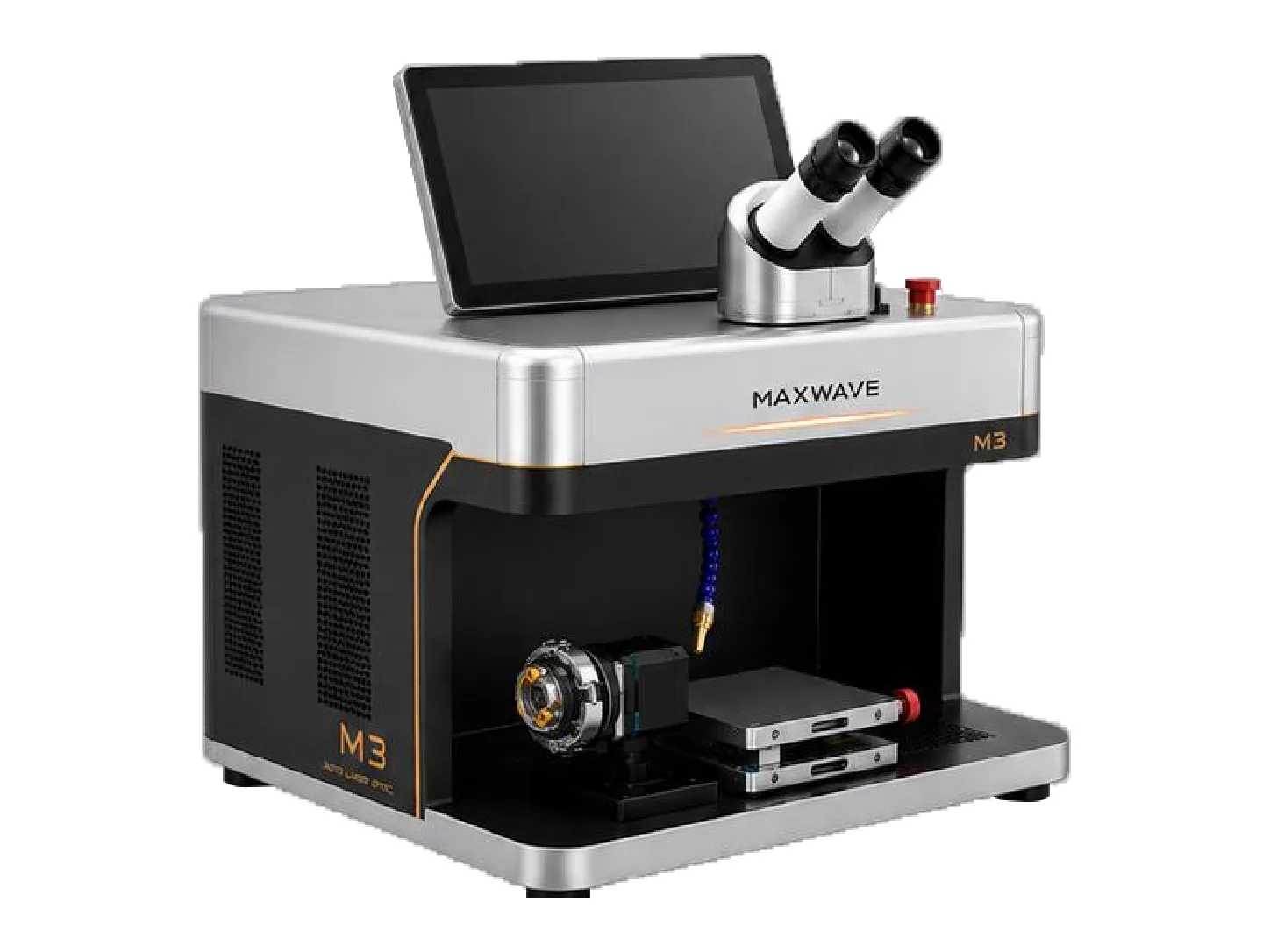
M3 — 3-in-1 Jewelry Laser Welder

Weld, mark and cut — more applications in one machine

  • 100W High-Precision Output
  • Dual-Eyepiece Optical System
  • Adjustable Pulse Width Control
  • Built-in Fume Extraction
Precision Bench Jewelry Laser Welder Costs Less

MW-DW200 — Affordable Jewelry Laser Welder

An affordable investment with practical, everyday performance

  • 60W-200W Laser Power Options
  • Binocular + HD CCD Viewing
  • Pedal-Activated Firing
  • 2-Year Warranty
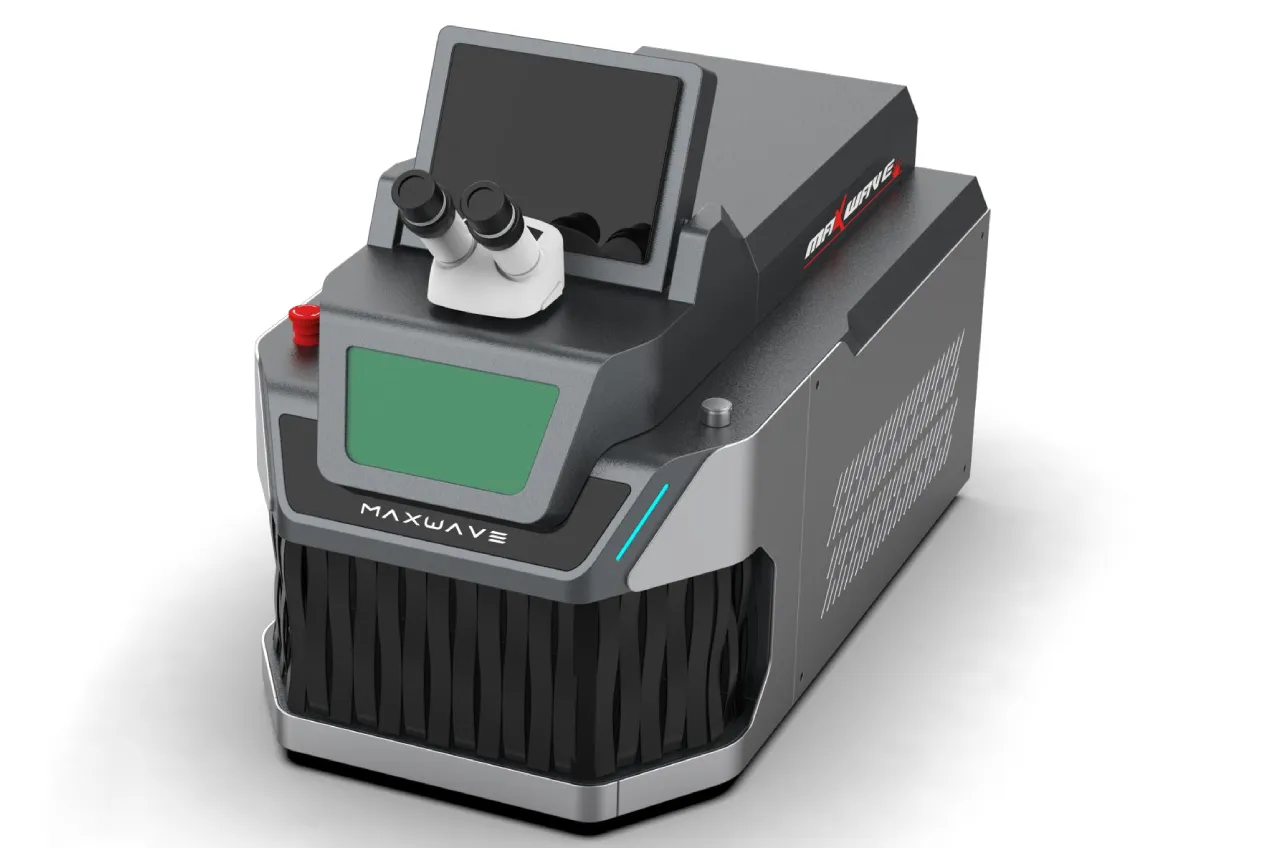
Jewelry laser welder engineered for high-volume manufacturers Looks Better

NOVA — Stylish Jewelry Laser Welder

Stylish design and a professional look for modern jewelry stores

  • 150W Continuous & Pulse Modes
  • CNC-Compatible Auto Positioning
  • Multi-Material Weld Presets
  • Industrial Cooling System

Prices shown are starting configurations. Final price depends on configuration, accessories, destination, shipping and service plan — request a quote for your setup.
Which Bench Are You Buying For?

The right machine depends on the work that crosses your bench — the repair mix, the tolerances you hold, and how many pieces you finish in a month. Start from the description that matches your shop.

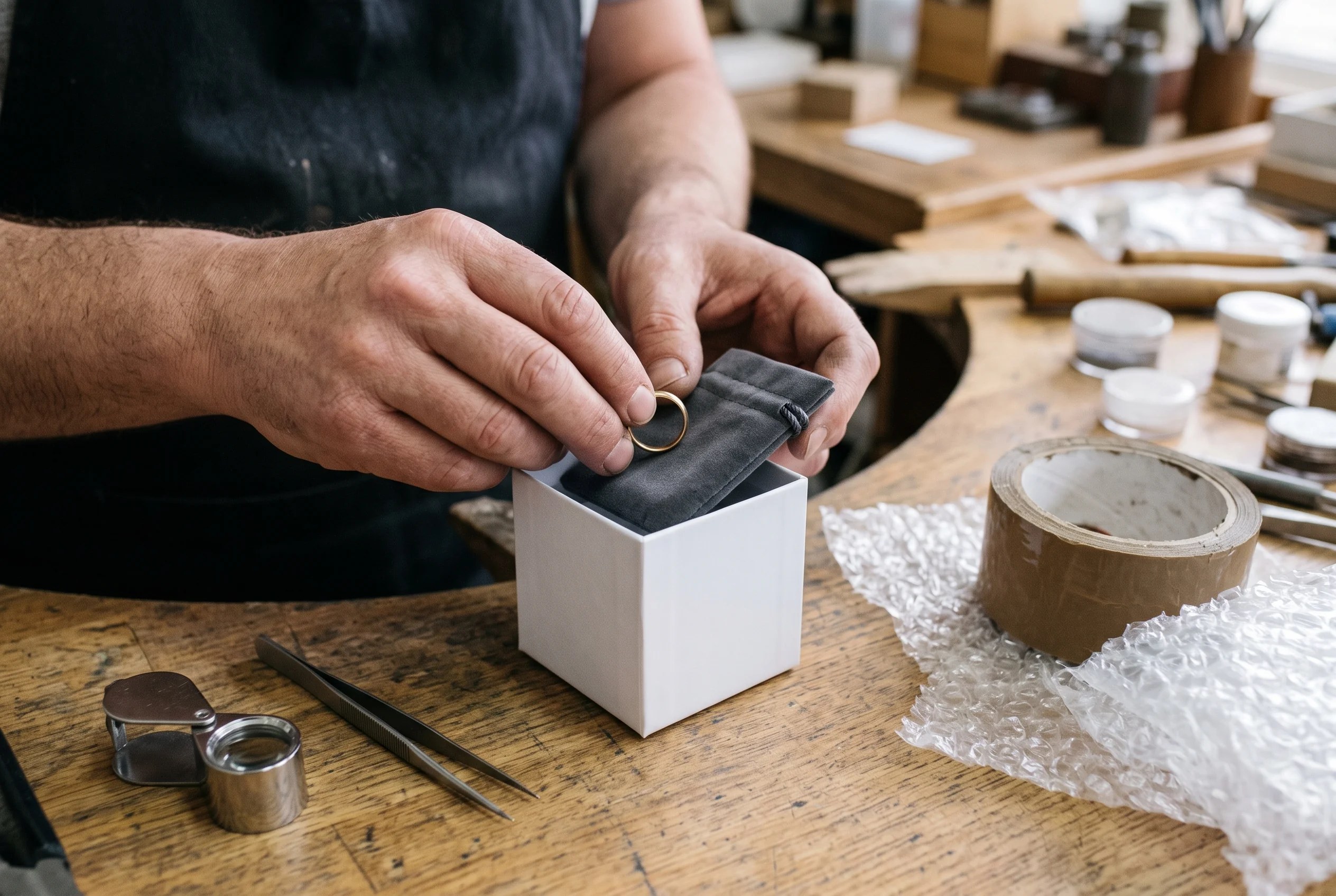
A jeweller boxing up a repair to send out to a trade bench
Repair Shop & Retail Jeweler

Bring outsourced repairs back in-house

  • Which repairs you can take on yourself instead of sending out
  • How quickly an operator becomes independent on the machine
  • What the payback looks like against your current outsourcing spend
See repair work brought in-house
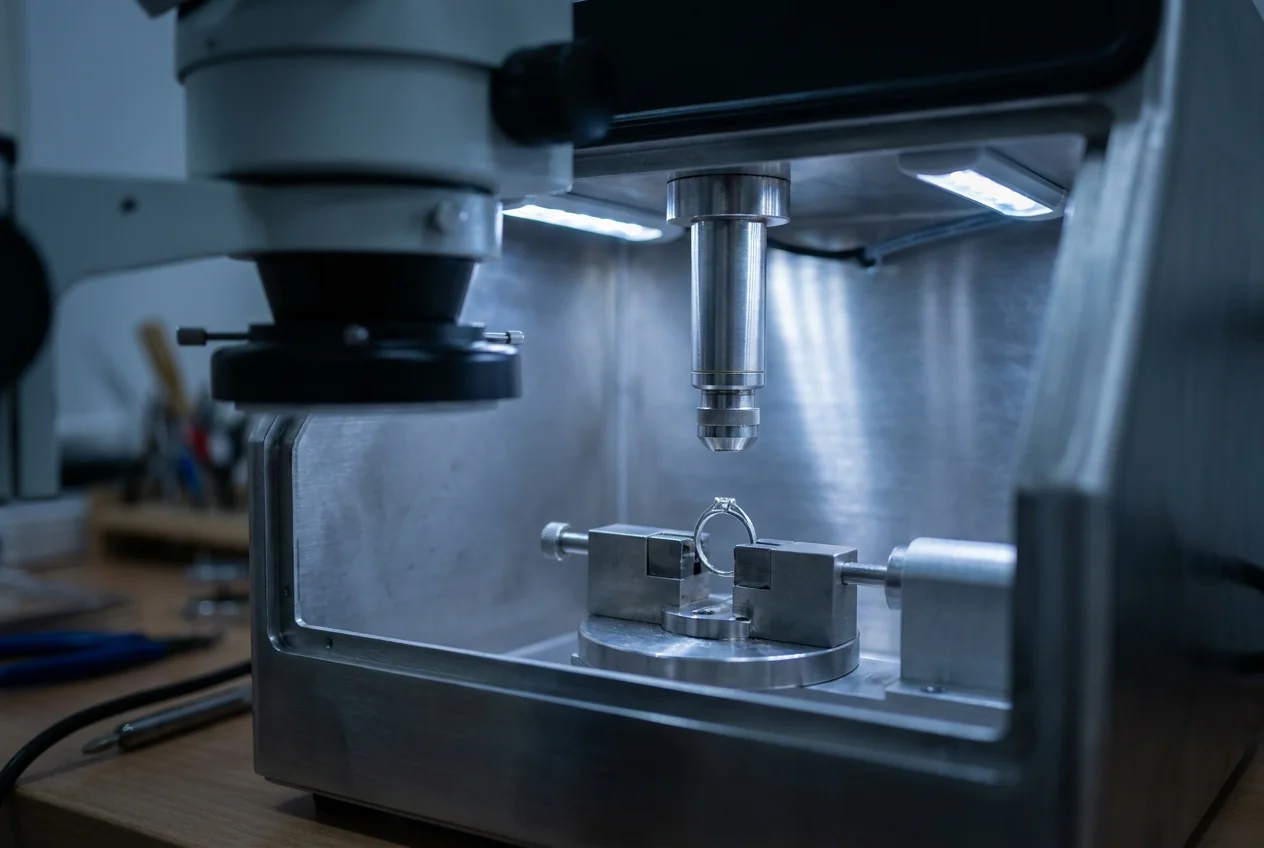
Close work on a fine silver piece under a bench microscope
Goldsmith & Custom Studio

Hold detail on intricate work

  • Spot size, pulse width and pulse energy — and how they interact
  • Microscope clarity when you are working close to a setting
  • Controlled heat input, so there is less to correct at the polishing stage
Read the platform breakdown
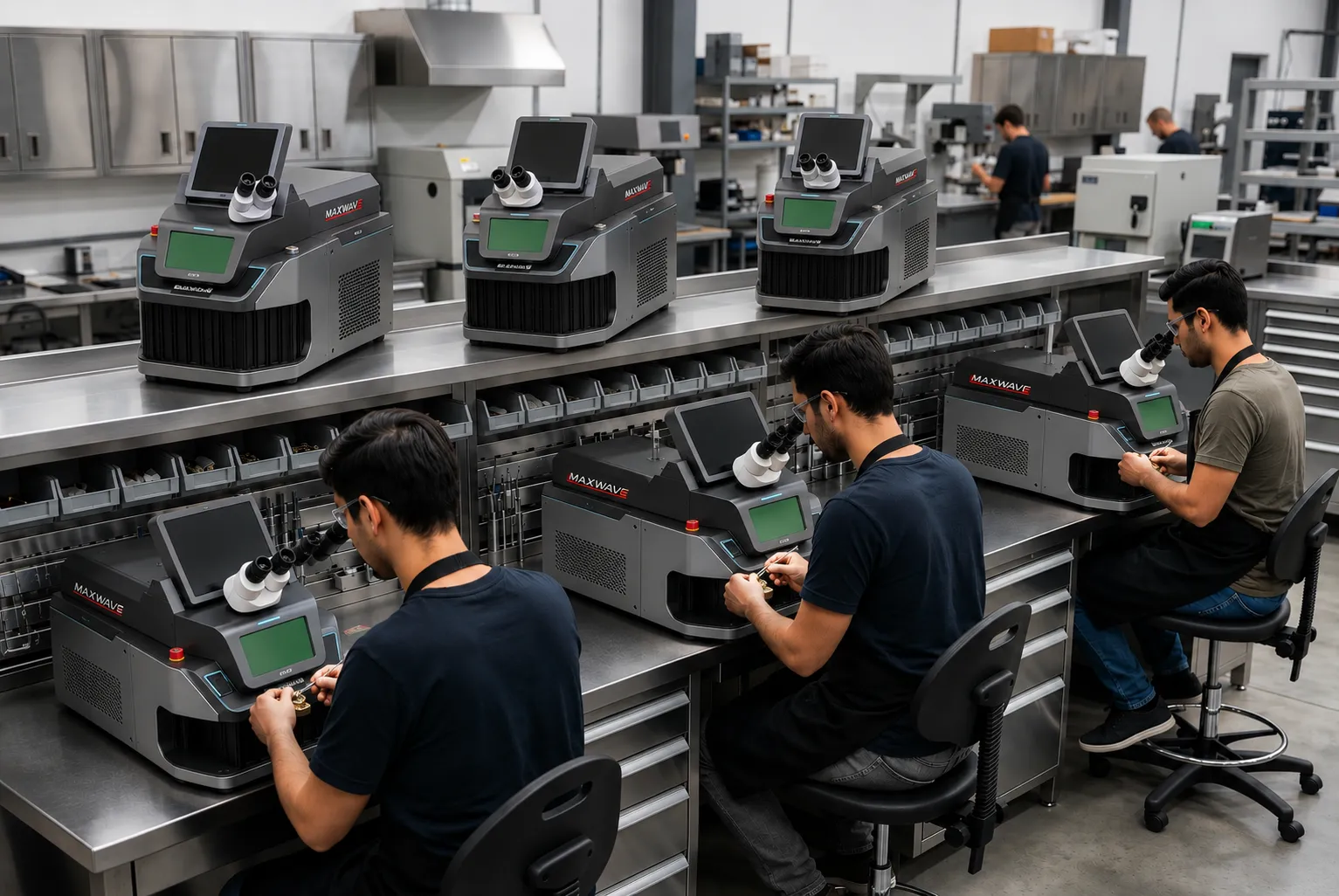
A row of operators running jewelry laser welders side by side in a workshop
Production Team & Manufacturer

Repeat the same weld all shift

  • Parameter storage, so results hold across operators and shifts
  • Cooling stability and what the machine sustains in continuous use
  • Process validation before a joint goes into a production run
See the high-volume setup

The Work You Can Stop Sending Out

Each of these is a job most shops currently hand to a trade bench. Owning the equipment keeps the turnaround — and the repair revenue — inside your own shop.

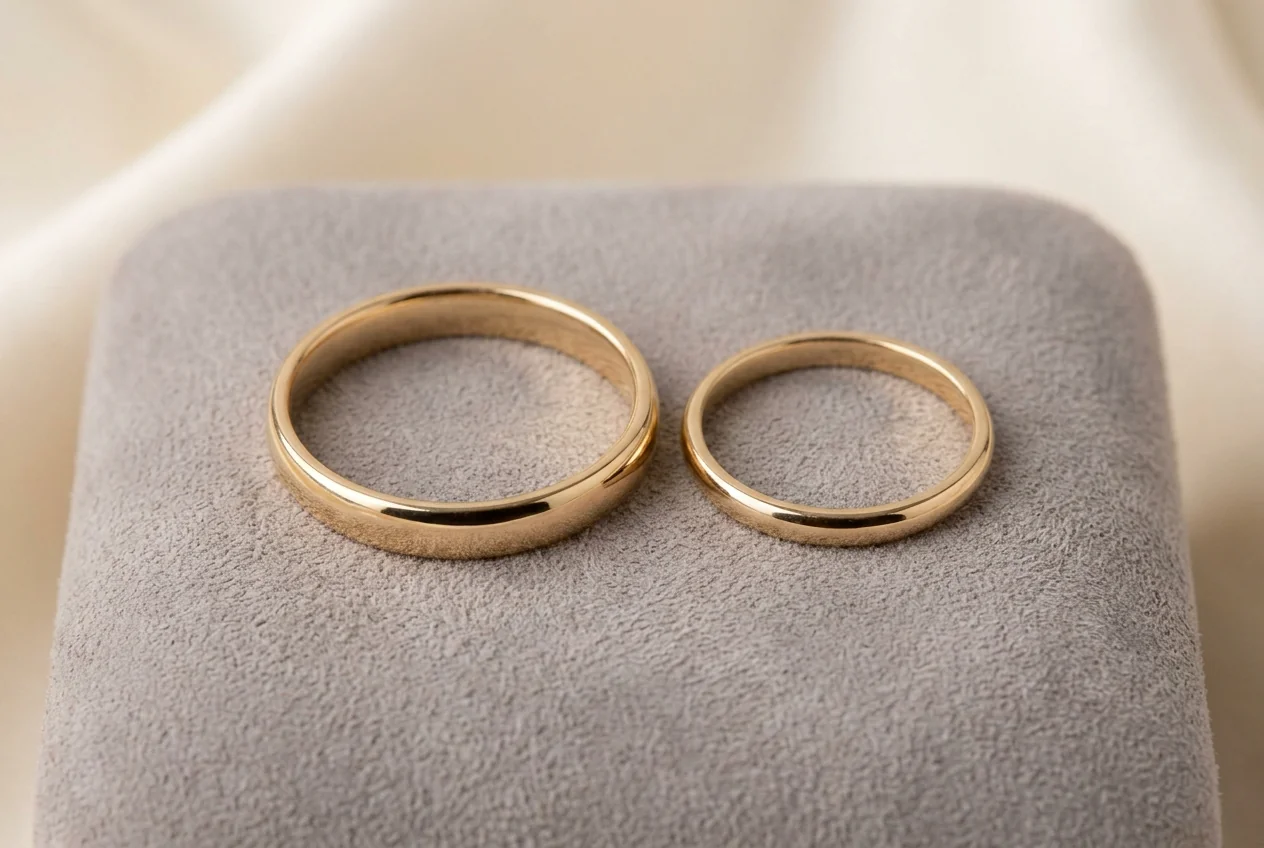
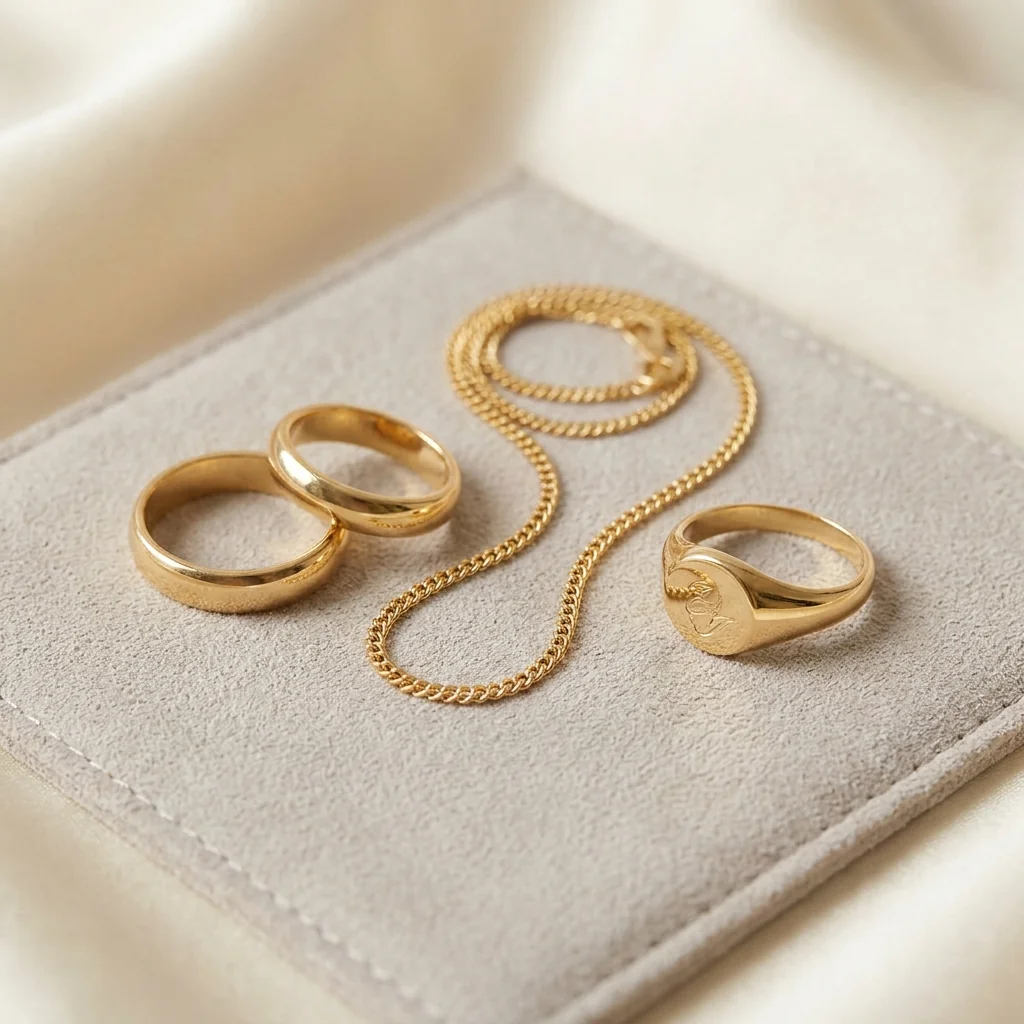
Two gold wedding bands of different sizes on a bench pad
Ring Resizing

Sizing up or down with a controlled seam, rather than a soldered join that has to be blended afterwards.

How resizing works →
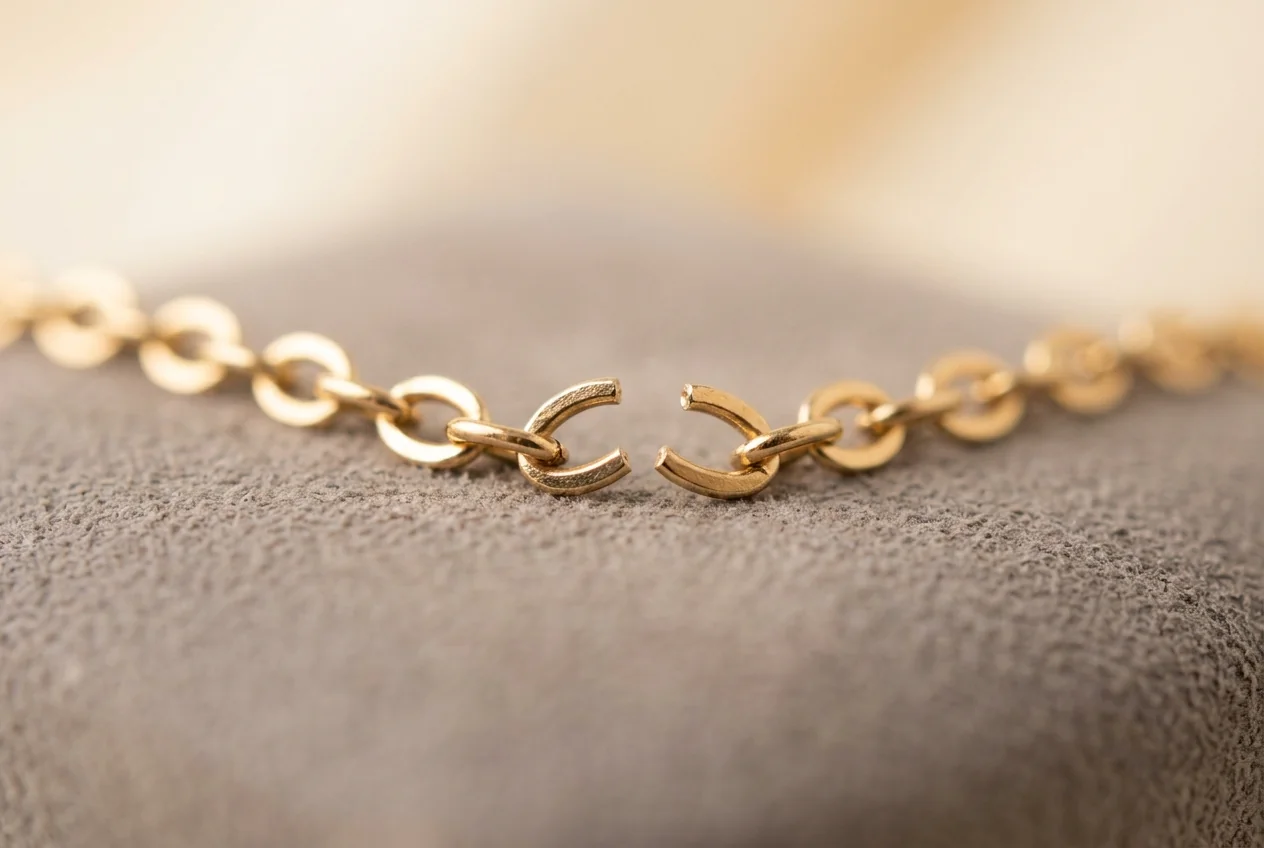
Macro view of a fine gold chain with one link opened at the break
Broken Chain Repair

Fine links rejoined with localized heat, so neighbouring links keep their shape and finish.

How chain repair works →
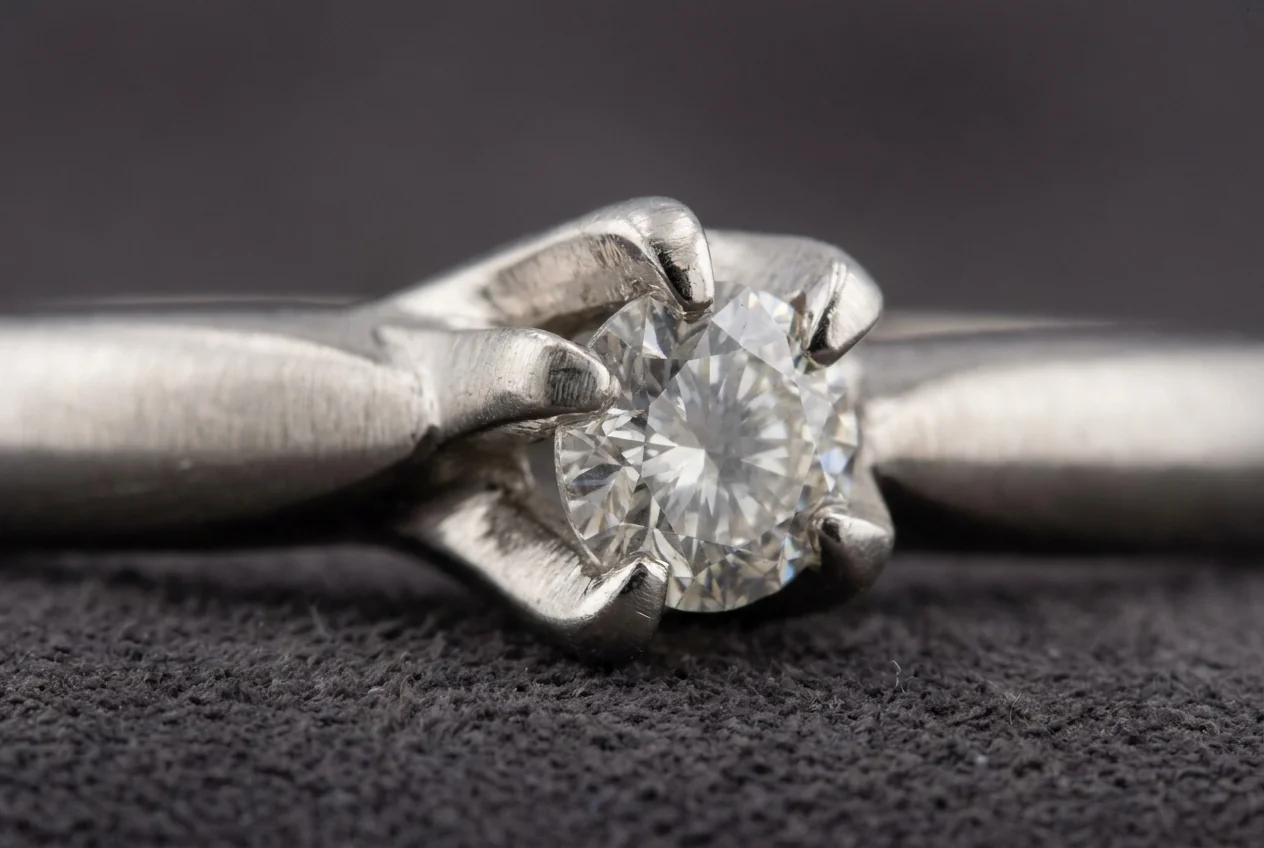
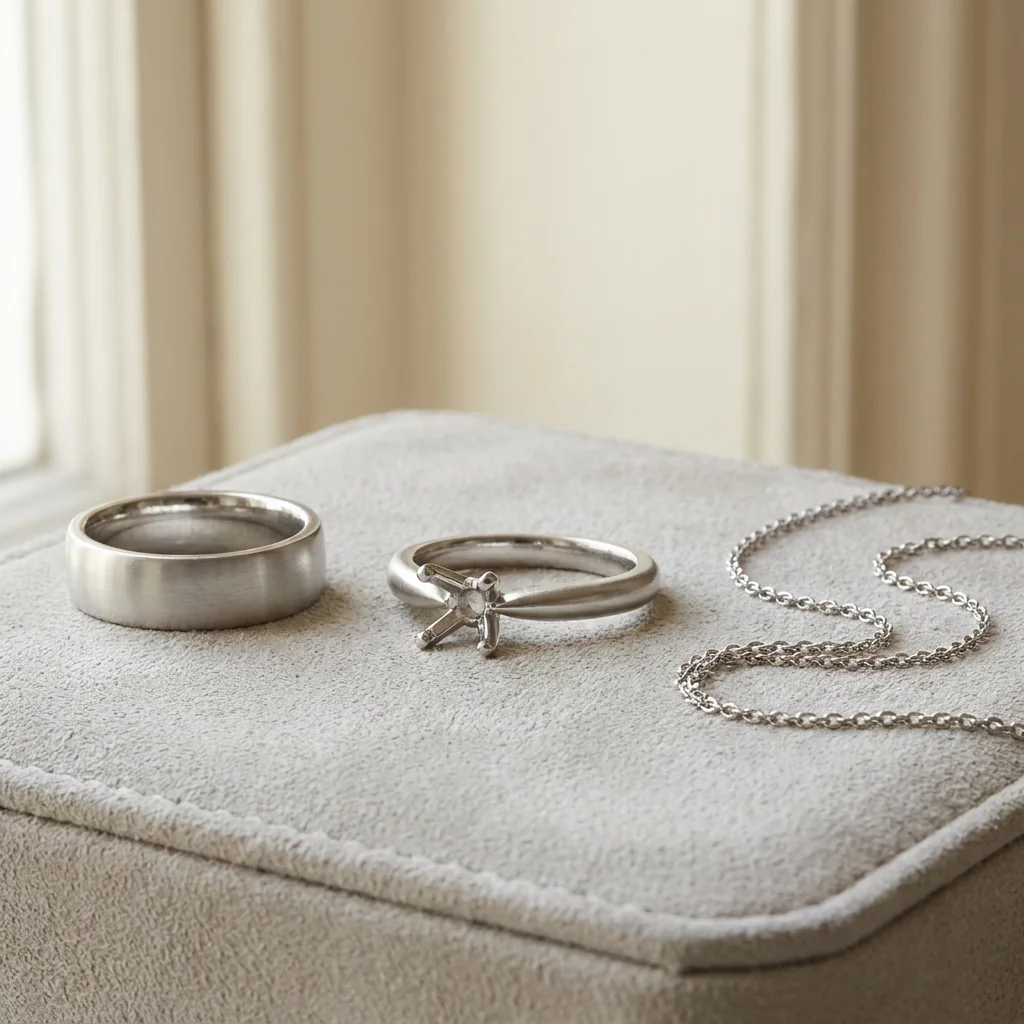
Macro view of worn prongs holding a diamond in a white metal head
Prong Retipping & Shank Rebuilding

Diamond ring work — retipping worn prongs and rebuilding shanks — handled at your own bench.

See diamond ring repair →
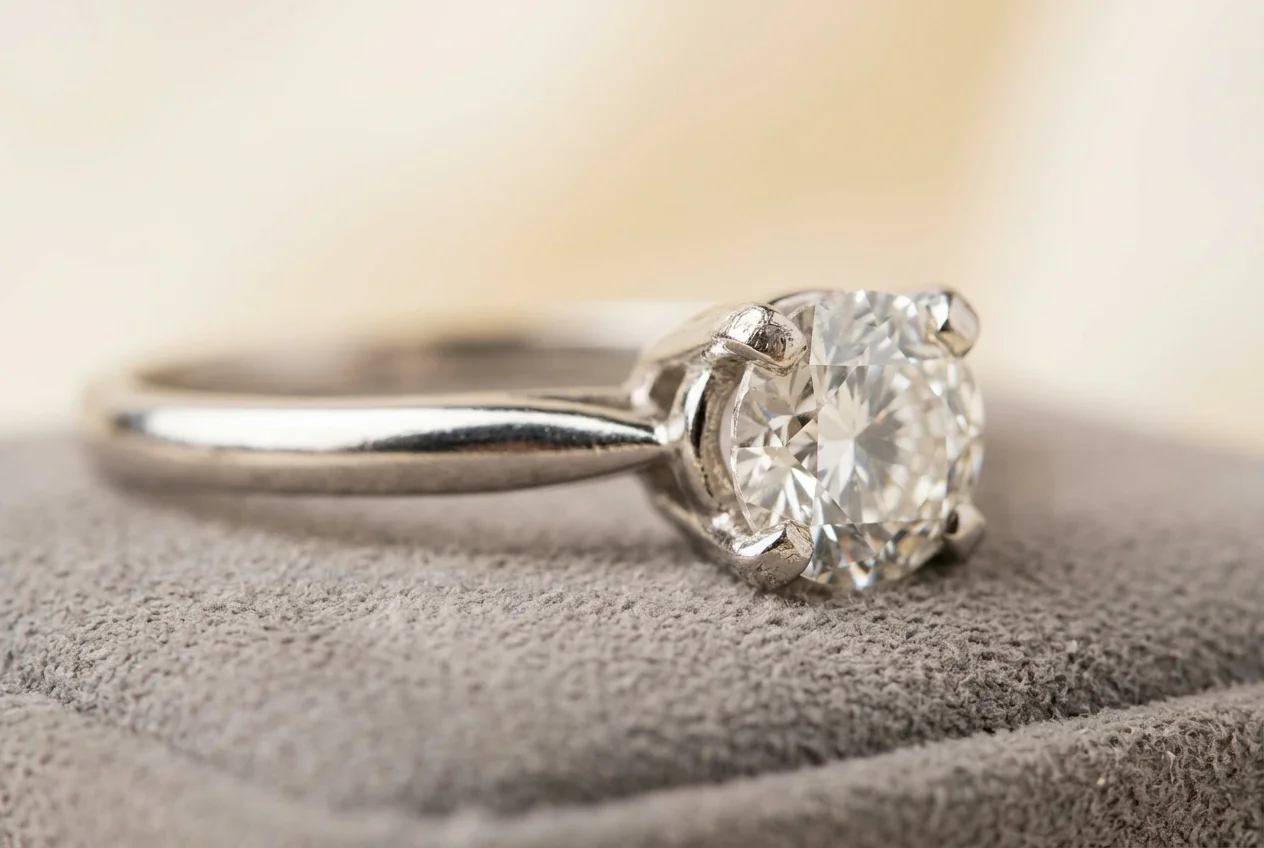
A diamond solitaire ring photographed close up in its setting
Stone-Set Repair

Work close to a setting without unsetting first. Each piece is still assessed on its own — stone type, treatment history and weld position all decide what is safe.

See stone-set repair →
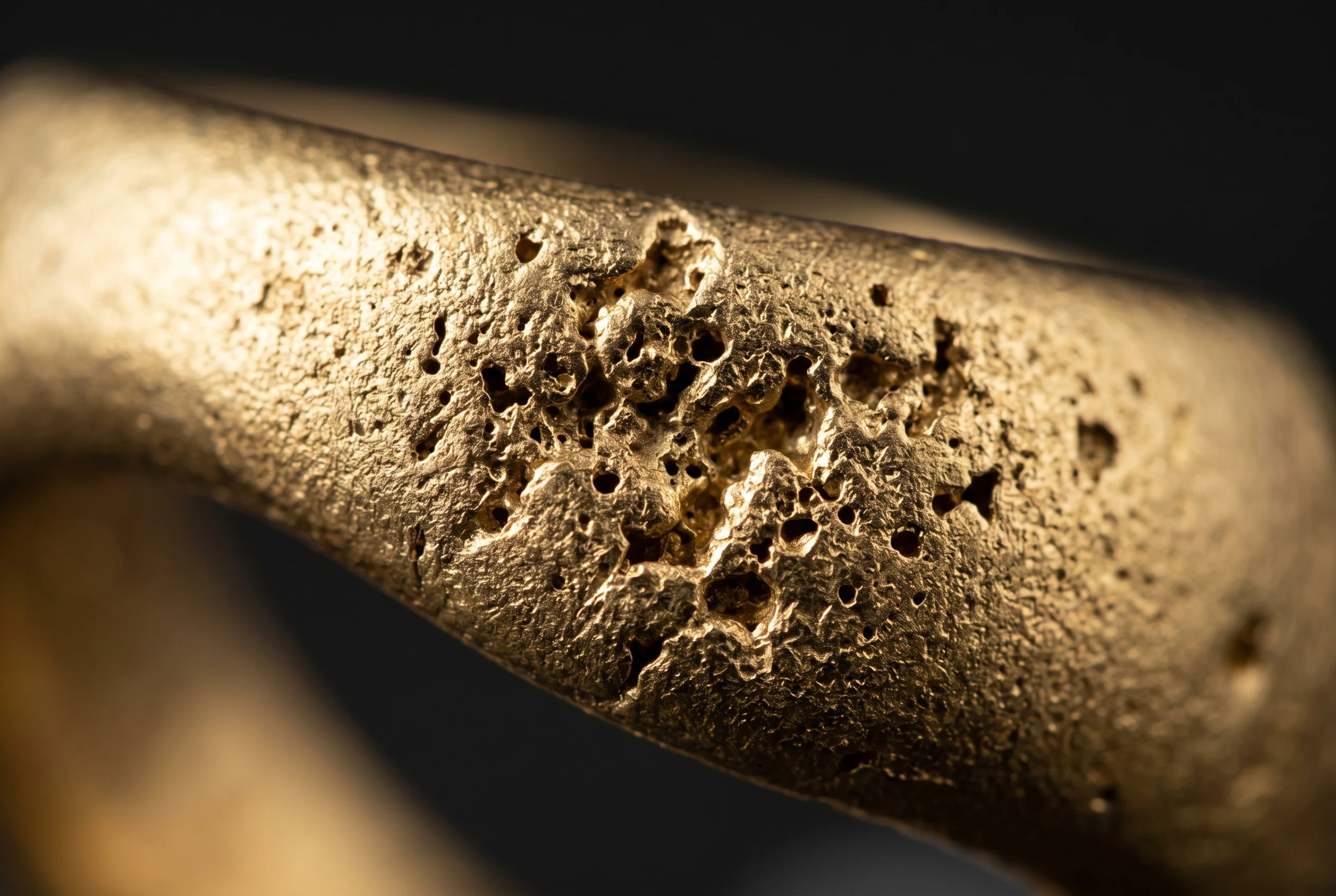
Macro view of porosity pitting across the surface of a gold casting
Porosity & Crack Filling

Filling casting porosity and closing cracks, instead of writing the casting off and starting again.

See porosity repair →
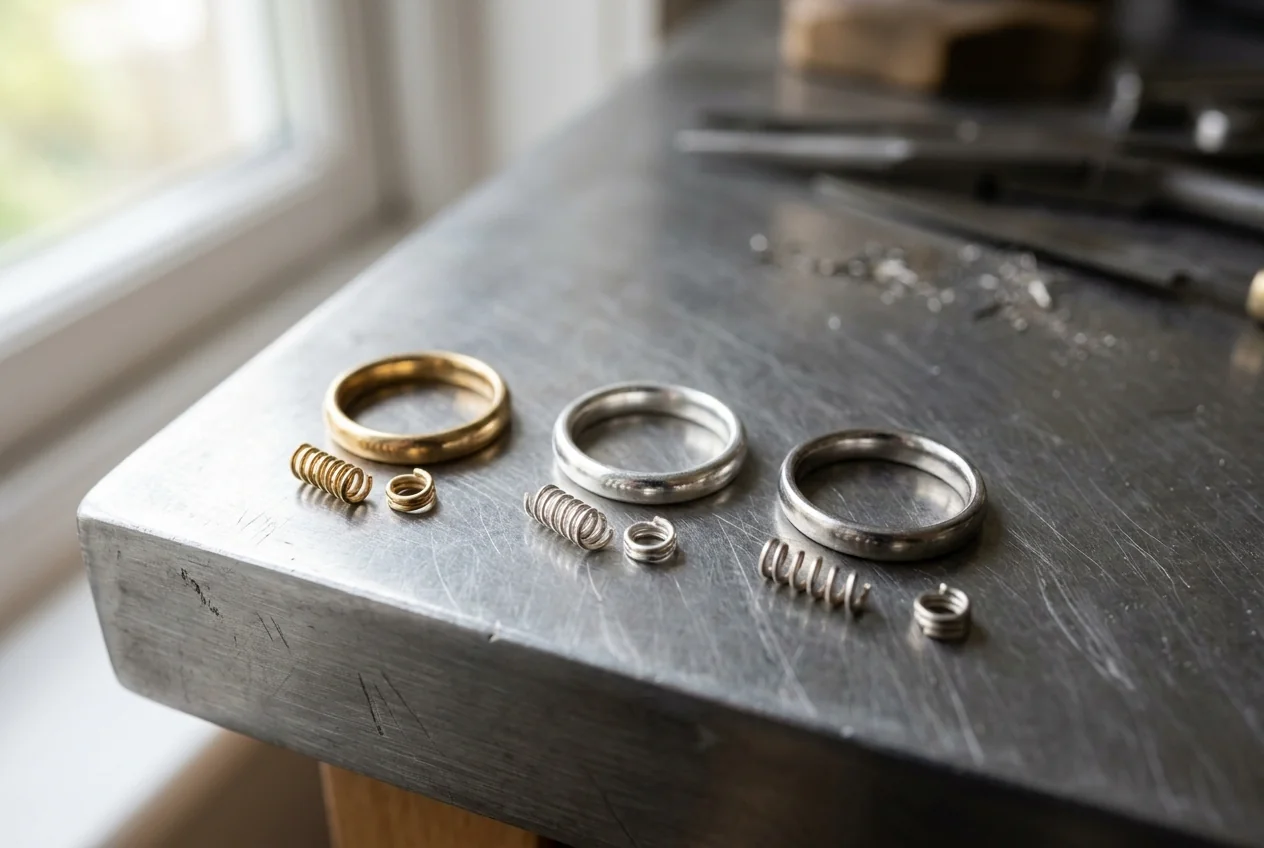
Rings and metal offcuts laid out on a steel bench plate for test welding
Not Sure Your Job Qualifies?

Send photographs of the piece and the joint. We will tell you whether it is a laser job before you commit to anything.

Send your repair photos →

Built for Precision. Designed for Reliability.

Every JewelryWelderPro machine is engineered to minimize heat distortion, reduce material waste, and speed up repair turnaround times.

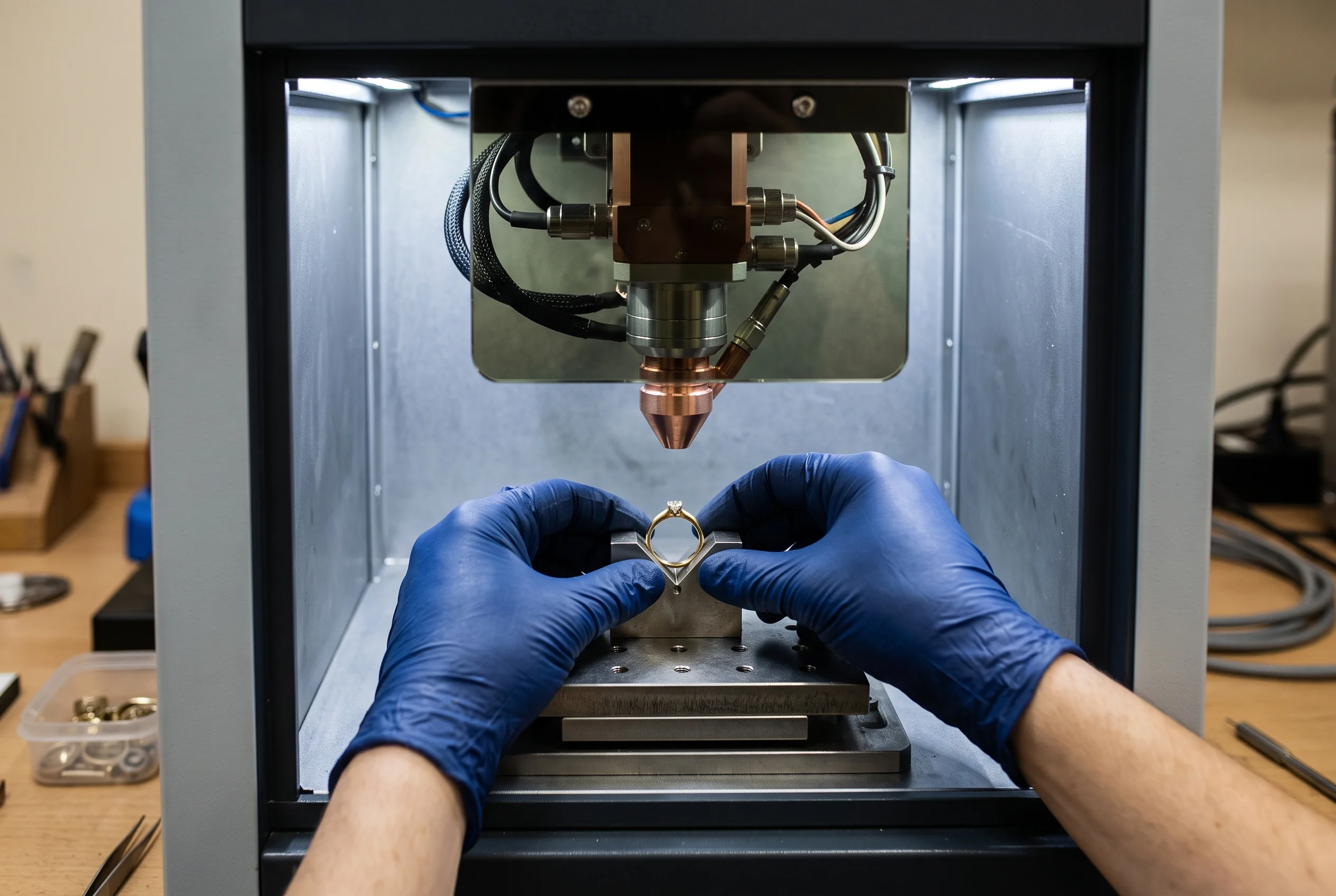
Gloved hands positioning a ring inside the lit work chamber of a jewelry laser welder
Multi-Metal Compatible

Weld gold, silver, platinum, titanium, and stainless steel with precision presets.

Minimal Heat Transfer

Weld next to gemstones with the heat held at the joint, so far less of it reaches the setting than a torch delivers.

Fast Turnaround

Complete repairs in seconds instead of minutes with high-precision targeting.

Low Maintenance

Durable industrial components designed for years of daily workshop use.

What Sets Your Capability Ceiling

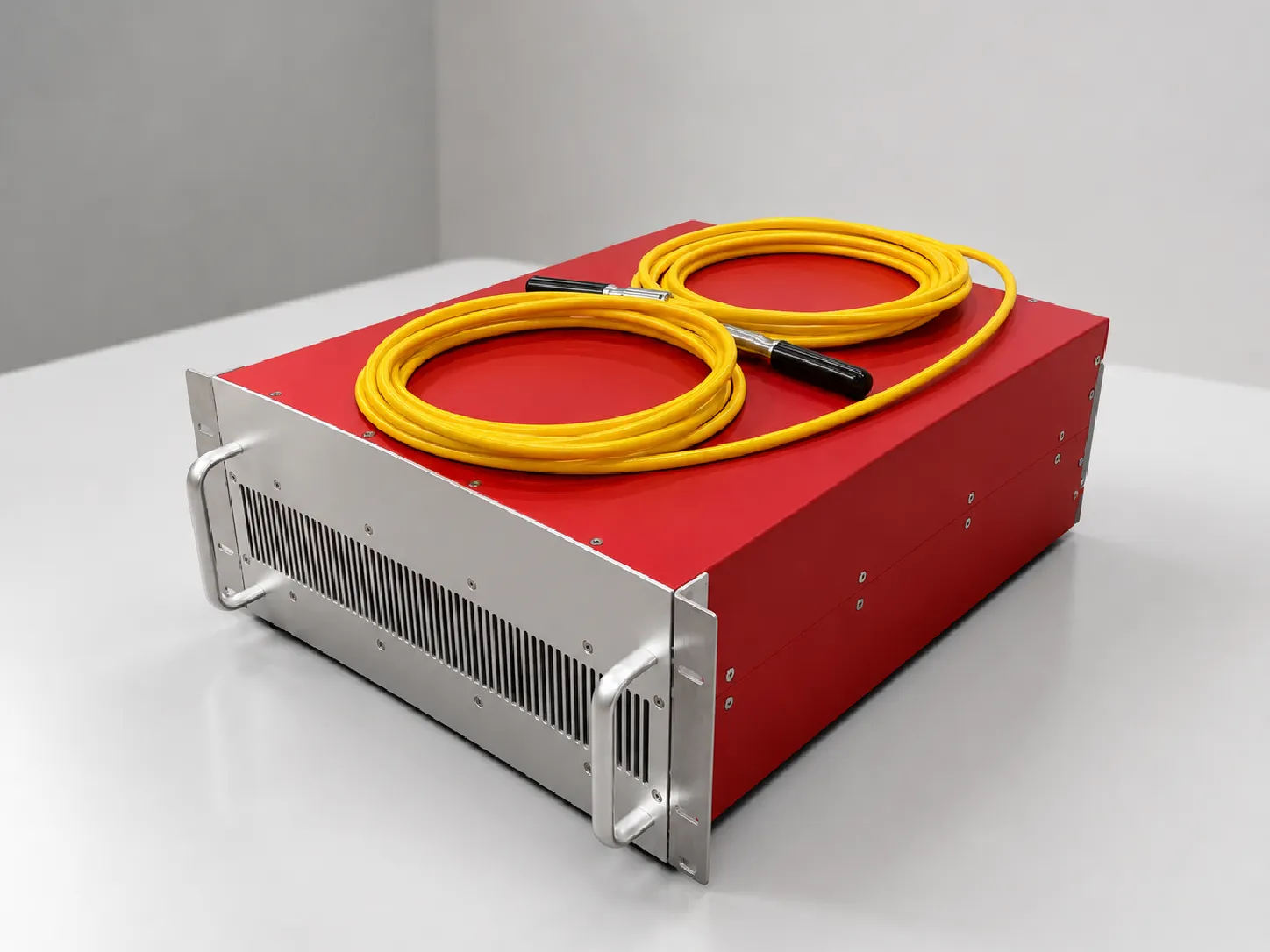
The laser source and power platform decide what a jewelry laser welder can and cannot do before any setting is dialled in. Read each line below as the result first, then the parameter that produces it.

These parameters work against each other rather than independently — raising one usually means adjusting another. Raw wattage on its own does not make a finer weld.

Read the laser source and power platform breakdown
A rack-mounted laser source unit with its delivery cables, exterior view
How fine a joint you can hold
Spot size & pulse width

Spot size and pulse width set the smallest weld you can place with control. A larger spot is not simply a coarser version of a small one — it changes how energy enters the piece.

How far the heat travels
Pulse energy & pulse shaping

Pulse energy and pulse shaping govern how much heat spreads beyond the joint. Keeping that area small is what leaves less distortion to correct afterwards.

How long you can keep going
Cooling design & duty cycle

Cooling design and duty cycle decide sustained output over a working day. Peak figures on a spec sheet describe a moment, not a shift.

Same Machine, Different Metal, Different Settings

Conductivity, reflectivity and melting behaviour differ from metal to metal, so each one needs its own parameter set. There is no single configuration that is correct for everything you put under the lens.

Palladium Titanium Stainless Steel

Also handled, each with its own parameter set rather than a shared one.

Trusted Across the Jewelry Industry

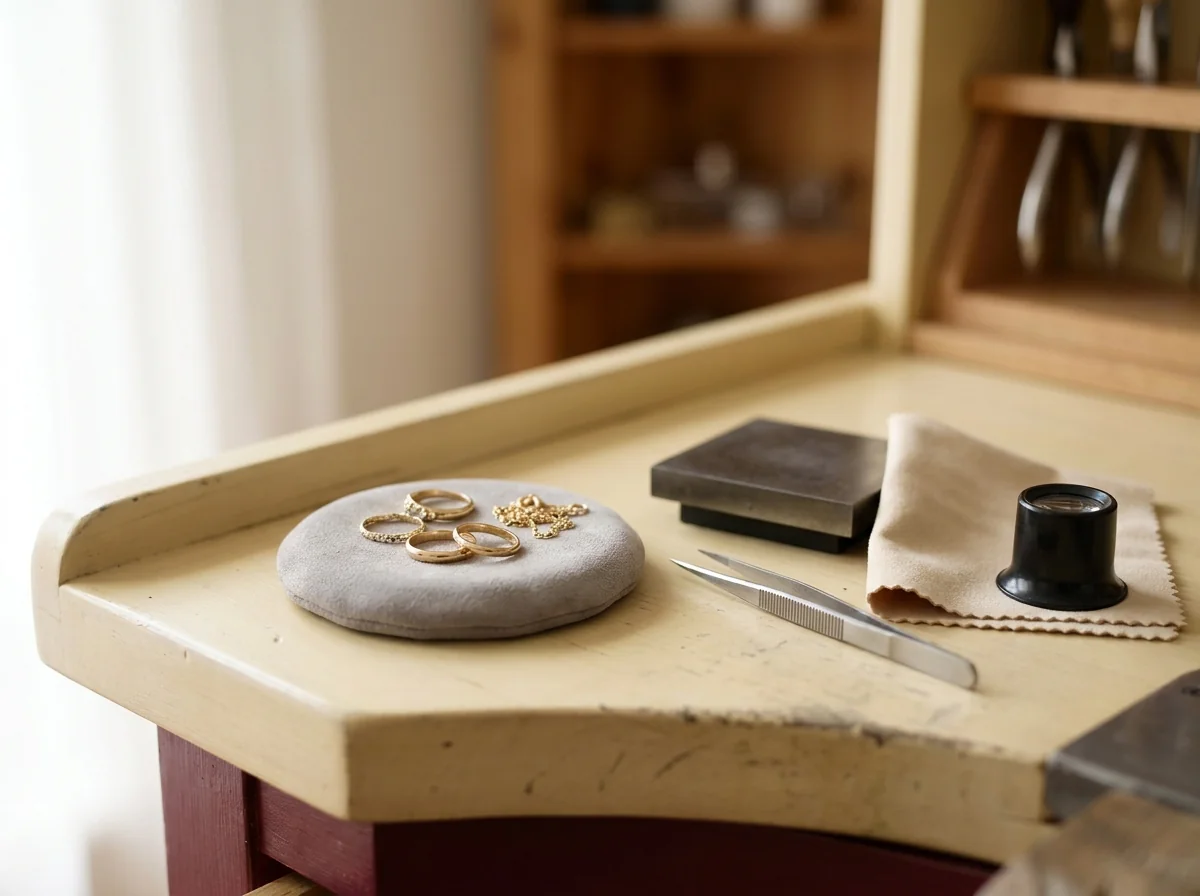
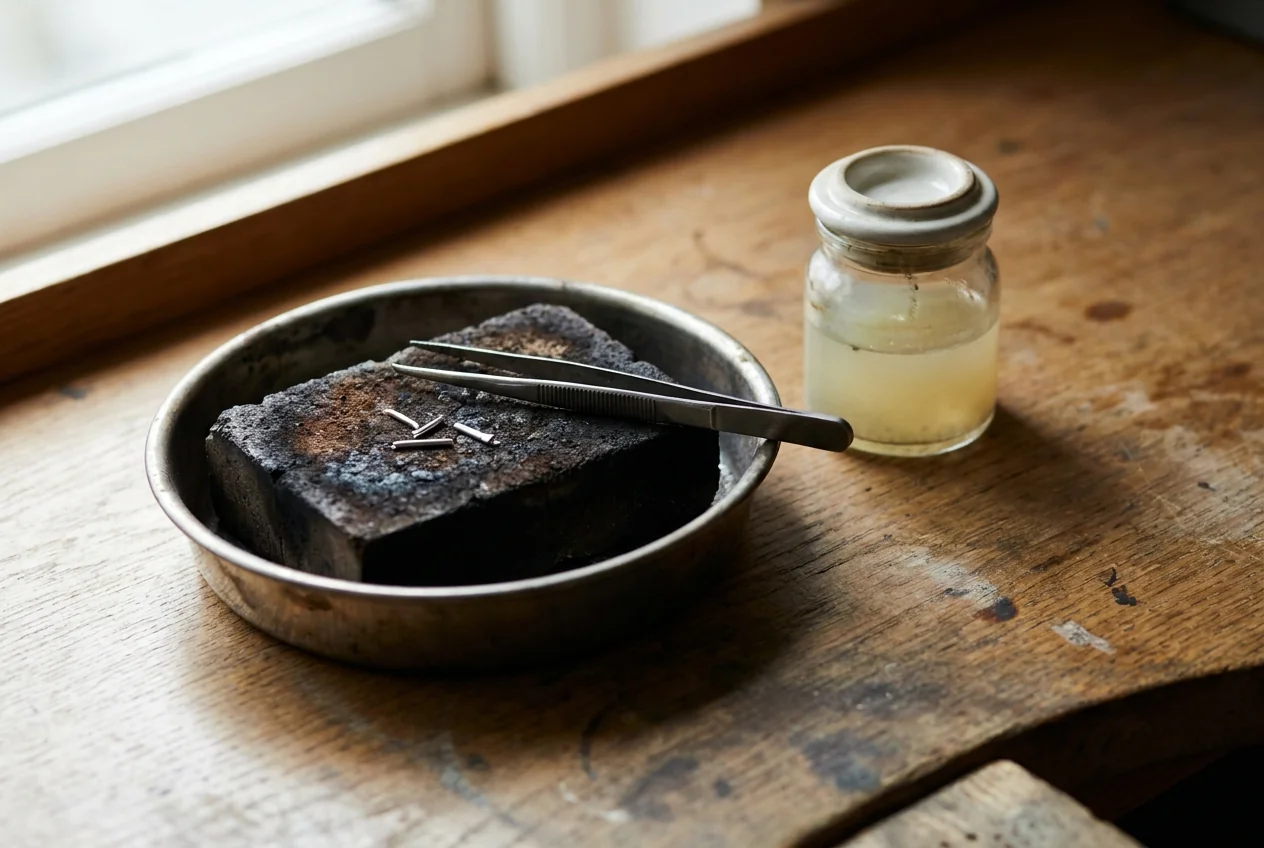
A jewellery repair bench with rings, a chain, tweezers and a loupe
Repair Shops

Quick, seamless repairs on rings, chains, clasps, and prongs without removing stones.

Typical workResizing, chain and clasp repair, prong retipping
What changesWork stays in your shop instead of going out to a trade bench
Assess firstStone-set pieces are judged case by case before welding
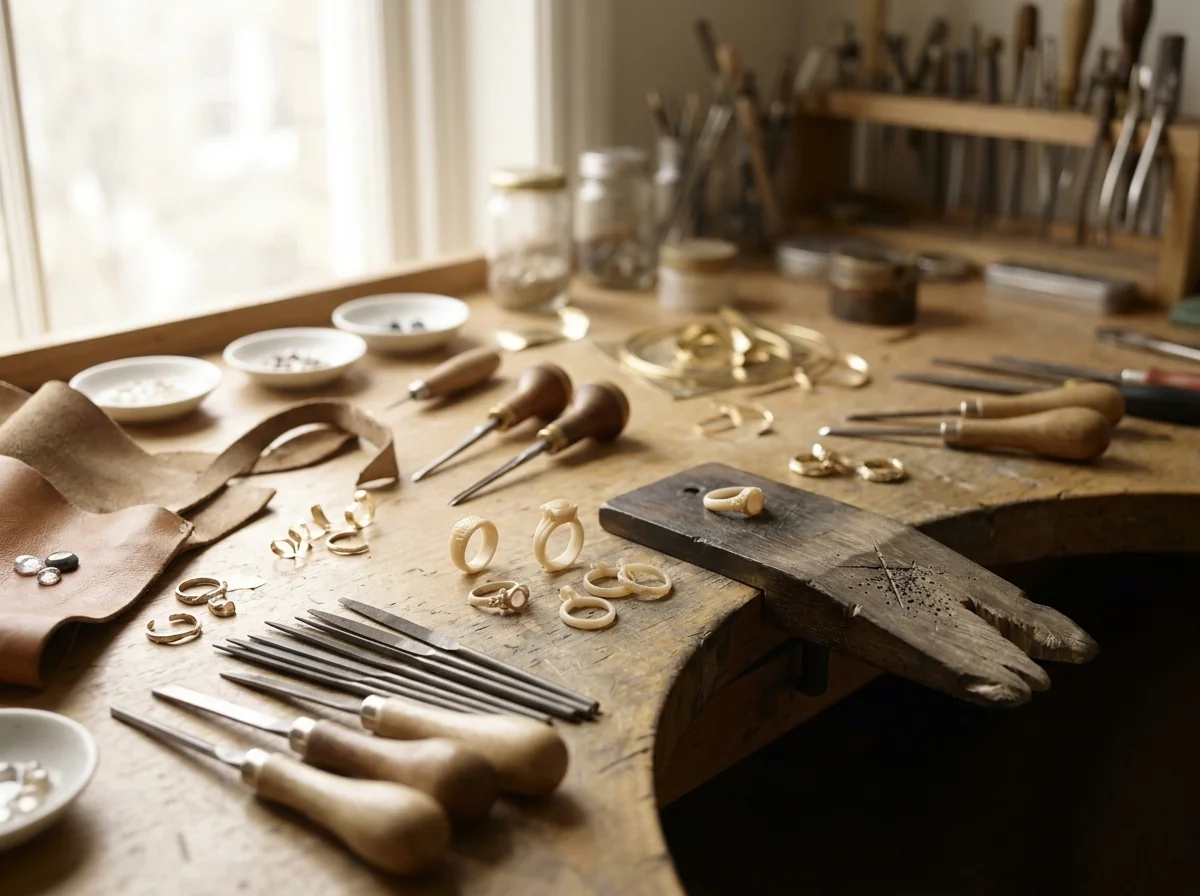
A goldsmith bench with gravers, files, wax models and gold offcuts
Goldsmiths

Precision custom fabrication tools for intricate designs and fine detail work.

Typical workFine fabrication, filigree, complex settings
What changesLocalized heat input leaves less clean-up for the polishing stage
Assess firstSpot size and pulse width decide the result, not raw wattage
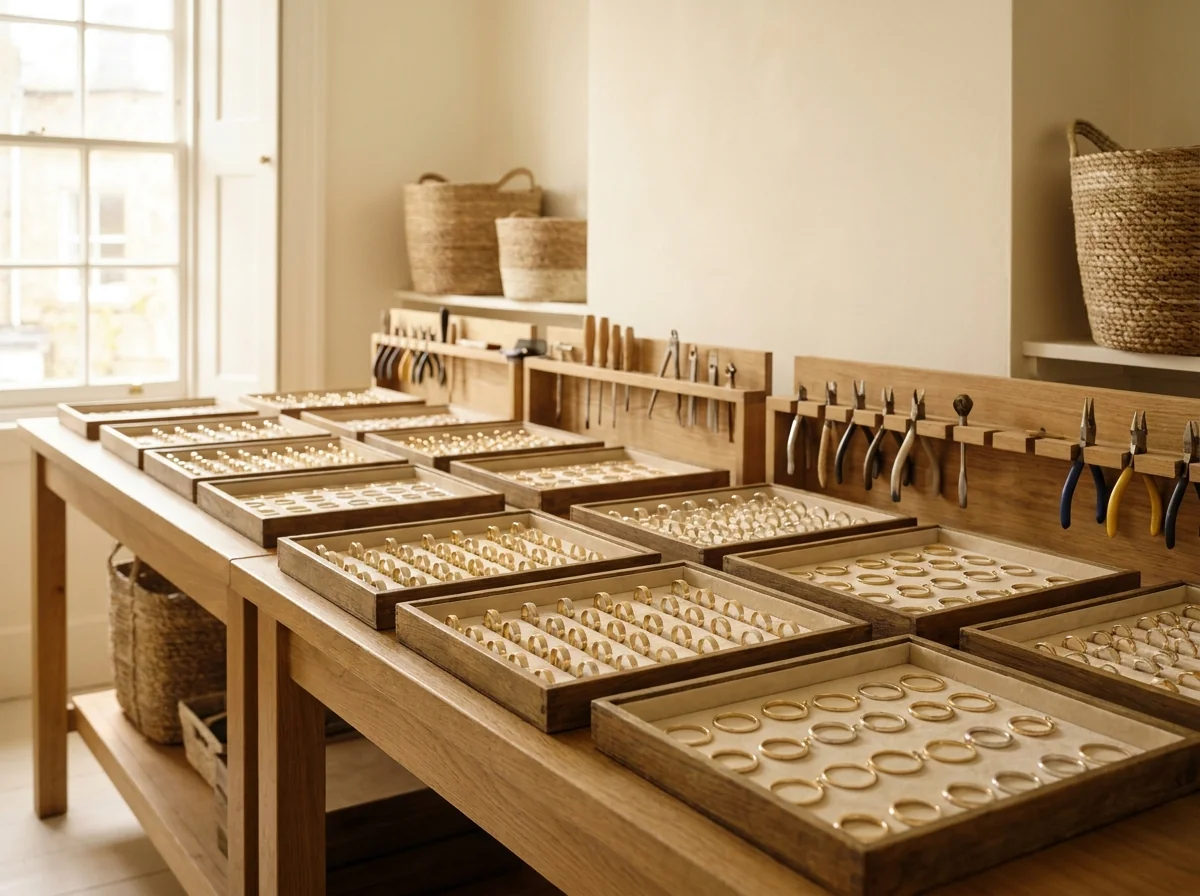
Trays of identical gold and silver components on production benches
Manufacturers

High-throughput welding solutions for scalable jewelry production lines.

Typical workBatch assembly and repeat joints across production runs
What changesStored parameters keep results consistent between operators
Assess firstCooling and duty cycle set what you can sustain, not peak figures
A teaching workshop with a row of identical student jewellery benches
Trade Schools

Reliable teaching equipment for jewelry-making and metalworking programs.

Typical workSupervised bench practice across rotating student groups
What changesStored settings give every student the same starting point
Assess firstOperator training and consumable supply are part of the package

Sorted by Workload, Not by Wattage

Jewelry laser welders here are separated by the work they are meant to carry — repair volume, precision demands and how continuously they run. Power ratings sit underneath that, not in front of it. These are the eight things worth comparing, grouped by the question each one answers.

01

What work can it take on?

Application rangeWhich repairs and joints the machine is actually meant to handle.
Smallest controllable spotWhat decides how close to a setting or a fine link you can work.
02

How precisely can you place the weld?

Optical clarityWhat you can see while positioning — this limits precision as much as the laser does.
Working spaceWhether the chamber suits the size and shape of pieces you handle.
Parameter storageWhether a proven setting can be recalled instead of re-dialled each time.
03

What does it sustain over time?

Cooling stabilityWhat the machine holds during a long session, not for a single pulse.
RepeatabilityWhether two operators get the same result from the same stored setting.
Maintenance and supportConsumables, spare parts and the training that comes with the machine.

Work Out the Payback on Your Own Numbers

Whether a jewelry laser welder pays for itself depends on four things you already know. Those four vary widely between shops, so the payback period does too — run it against your own figures rather than a headline number.

Repair volumeHow many jobs cross your bench in a month.
Average repair valueWhat each of those jobs is worth to your shop.
Current outsourcing costWhat you pay a trade bench today, including the wait.
UtilisationHow much of the working week the machine would be running.
= the retained repair revenue you are working against the purchase price The calculator asks for these four and nothing else. It does not assume a volume for you, and it does not quote a payback period — because that figure is only meaningful once your own numbers are in it.

The Partner Jewelers Trust for Precision Equipment

Jewelry-Only Laser Welding Focus

We specialize exclusively in jewelry welding technology — not general industrial lasers.

Hands-On Training Included

Every machine purchase includes onboarding training for your team, in-person or virtual.

Nationwide Service Network

Fast repairs and replacement parts shipped from regional service centers.

Flexible Financing Options

Lease-to-own and financing plans available for shops of all sizes.

Jeweler using laser welder

Factory-Direct, and What That Actually Changes

Factory-direct is easy to claim and easy to ignore, so here is what it changes in practice. The machines are built in our own plant rather than bought in and rebadged, which means a configuration can be matched to your workload instead of picked from whatever a distributor happens to stock. It also means that when something needs answering, the people answering are the people who built it.

See the factory and QC process

What every machine passes through

Built, not resoldSpecification decisions stay with the manufacturer, so optics, cooling and working space can be matched to the work you described.
Documented multi-stage inspectionEvery machine is checked through a defined sequence — from incoming material to final packaging — rather than a single check at the end.
Burn-in and stress testingMachines are run through continuous operation cycles before shipping, so early failures surface here rather than on your bench.
Final functional QCA dedicated QC team works through a full functional checklist before a machine is packed.
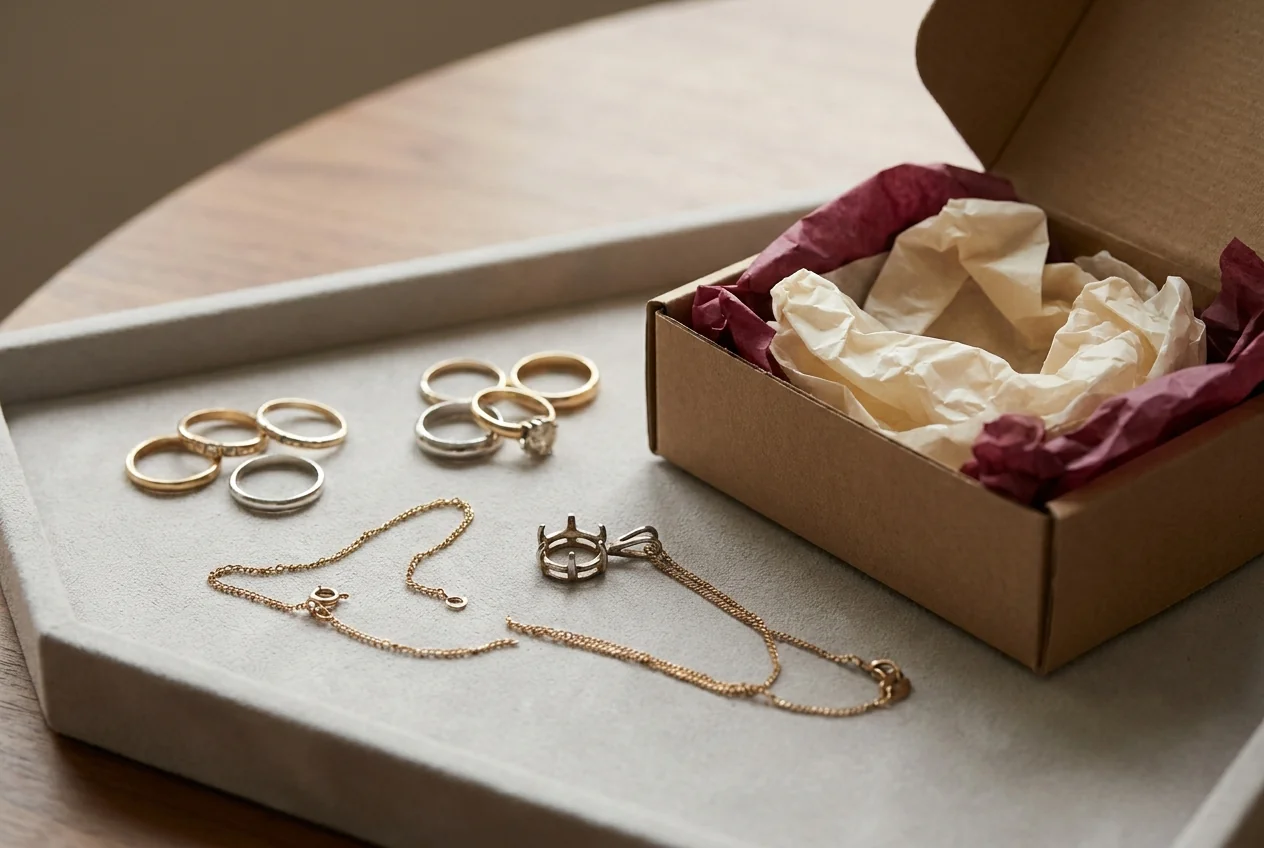
A customer's own rings, a fine chain and a pendant laid out on a tray ready to send for a weld evaluation

See a Weld on Your Own Piece Before You Buy

A demonstration weld on our sample proves very little about your work. The pieces that decide whether a jewelry laser welder suits you are the ones already sitting in your repair tray — your alloys, your joint positions, your finish expectations. So the evaluation is run on those instead.

  • Your piece, not our sample. Send an actual item and the weld is performed on it, so you are judging the result that matters.
  • Returned to you. The piece comes back after the test, with return shipping on physical samples up to a standard size covered.
  • No charge for the test weld. There is no fee for the test weld itself and no obligation to buy afterwards.
  • A physical piece is not always needed. For a general assessment you can start by describing the metal, the piece and the repair.
Request a Free Welding Test
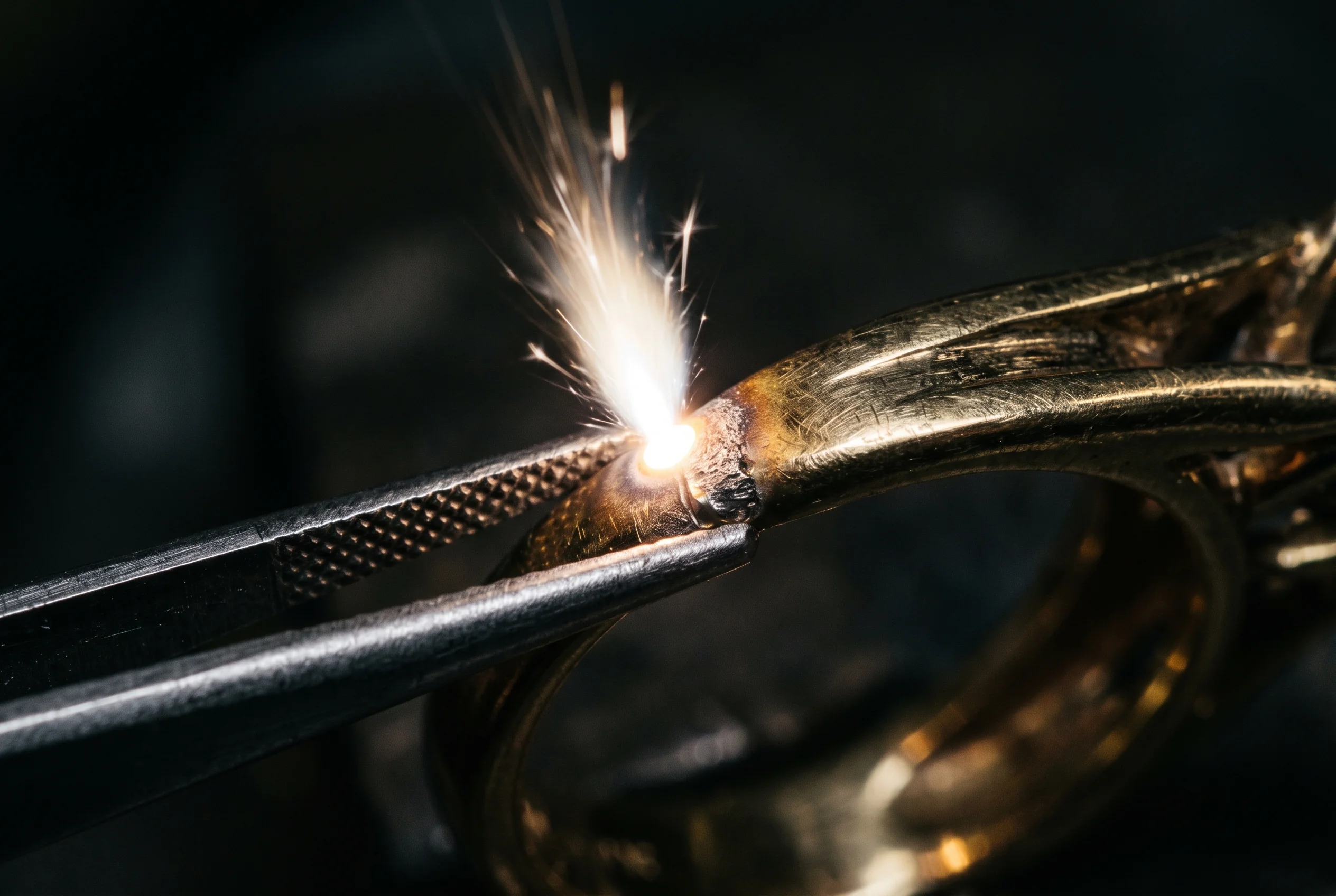
Laser pulse landing on a ring shank joint during a weld

Training Runs Until Your Team Can Work Without Us

A jewelry laser welder that nobody is confident operating is an expensive shelf. Training is therefore included with the machine rather than sold alongside it, and it starts from the assumption that your operators have never used one before. The four questions shops ask before booking:

Do our operators need prior welding experience?

No. The starter course is built for complete beginners — machine fundamentals, safety, then basic technique.

Is training an extra line on the invoice?

No. Setup and safety, welding applications, and parameter and process guidance come with the welder.

Does someone have to travel?

Not necessarily. Individual courses run online, live or on-demand; workshop and team programmes can be delivered at your location.

What happens once training ends?

You keep access to a support team that handles calibration questions and material-specific welding problems.

From Inquiry to Installation

1
Consultation

Tell us about your shop's needs and volume requirements — starting with the repair mix you currently send out.

2
Machine Selection

We recommend the right model and configuration for your work, starting from workload and precision needs rather than wattage.

3
Delivery & Setup

Free shipping and on-site or remote installation support, with first-run settings established on your own pieces.

4
Training & Support

Full team training plus ongoing technical support for life, in person or remote.

Keeping the Machine Working

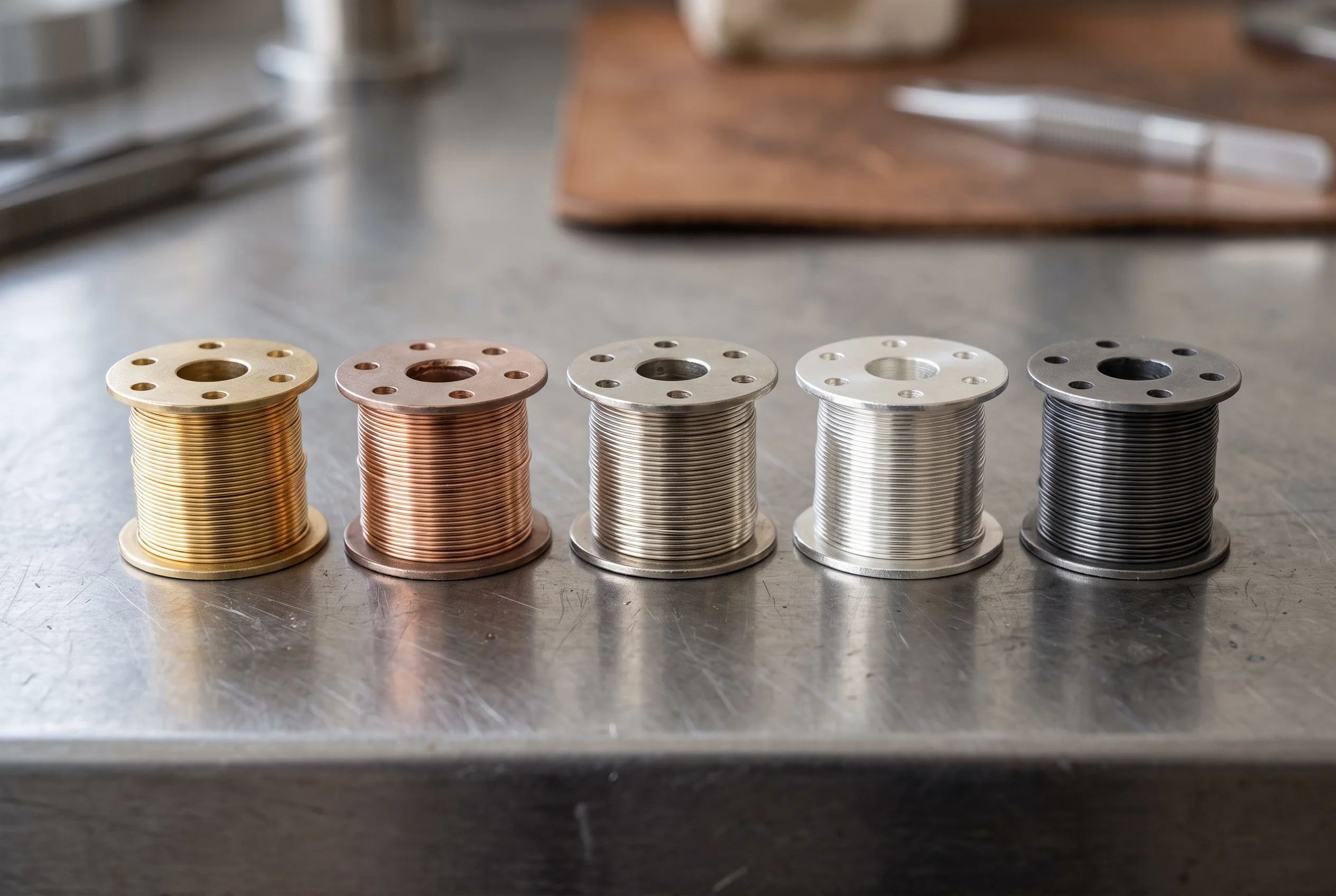
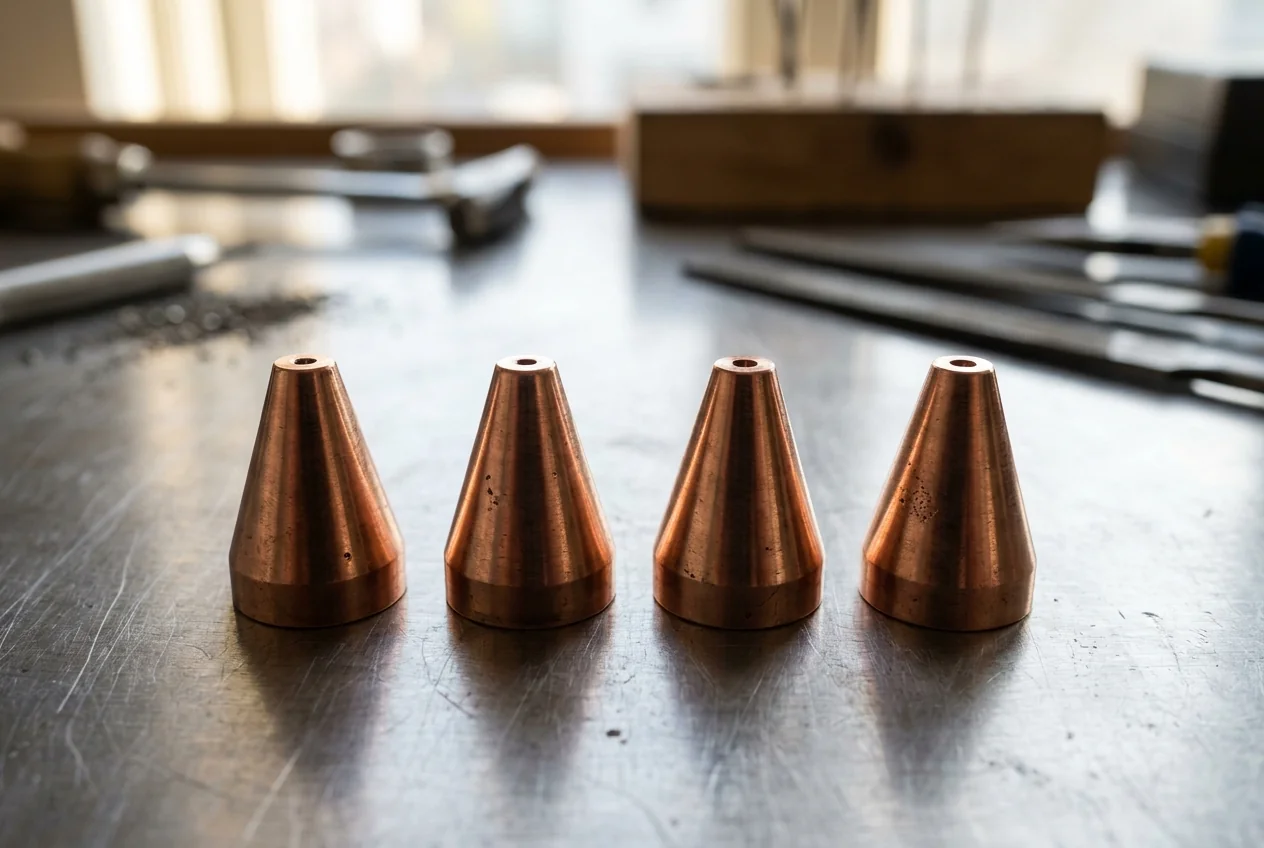
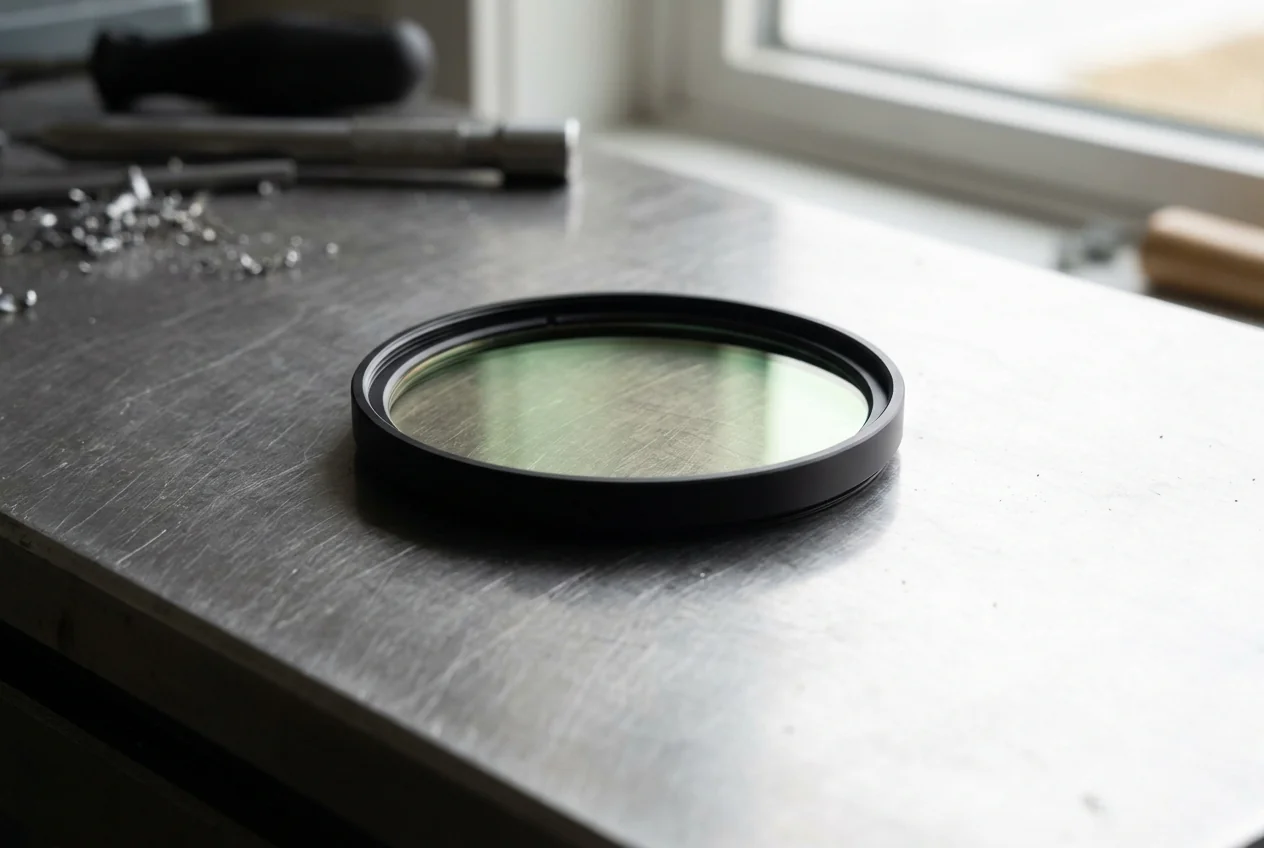
A welder only earns its place if it is running. Consumables, spare parts and the accessories that go with your configuration are supplied for the machines we build, so restocking does not turn into a sourcing exercise.

Spools of filler wire in gold, copper, silver and steel laid out on a bench
Consumables
Four copper welding nozzles standing on a workshop bench
Spare parts
A round protective lens filter resting on a steel bench top
Accessories

Read the Detail First

Equipment this size is not an impulse purchase. These are the pages worth reading before you talk to anyone, including us.

Have Questions? We Have Answers.

Our machines are compatible with gold (all karats), sterling silver, platinum, palladium, titanium, and stainless steel. Custom weld profiles can be programmed for specific alloys.

Yes, every machine includes complimentary onboarding training — either in-person at select regional centers or via live virtual sessions with our technicians.

Yes, we partner with equipment financing providers to offer lease-to-own and installment plans tailored to small businesses and startups.

Standard delivery within the continental US takes 5-10 business days. Installation support and initial calibration are scheduled immediately after delivery.

Ready to Upgrade Your Jewelry Workshop?

Speak with our equipment specialists to find the right laser welder for your shop. Request a free quote, schedule a live demo, or ask about financing options.

Call Us
+86 15327155363

Request a Free Quote