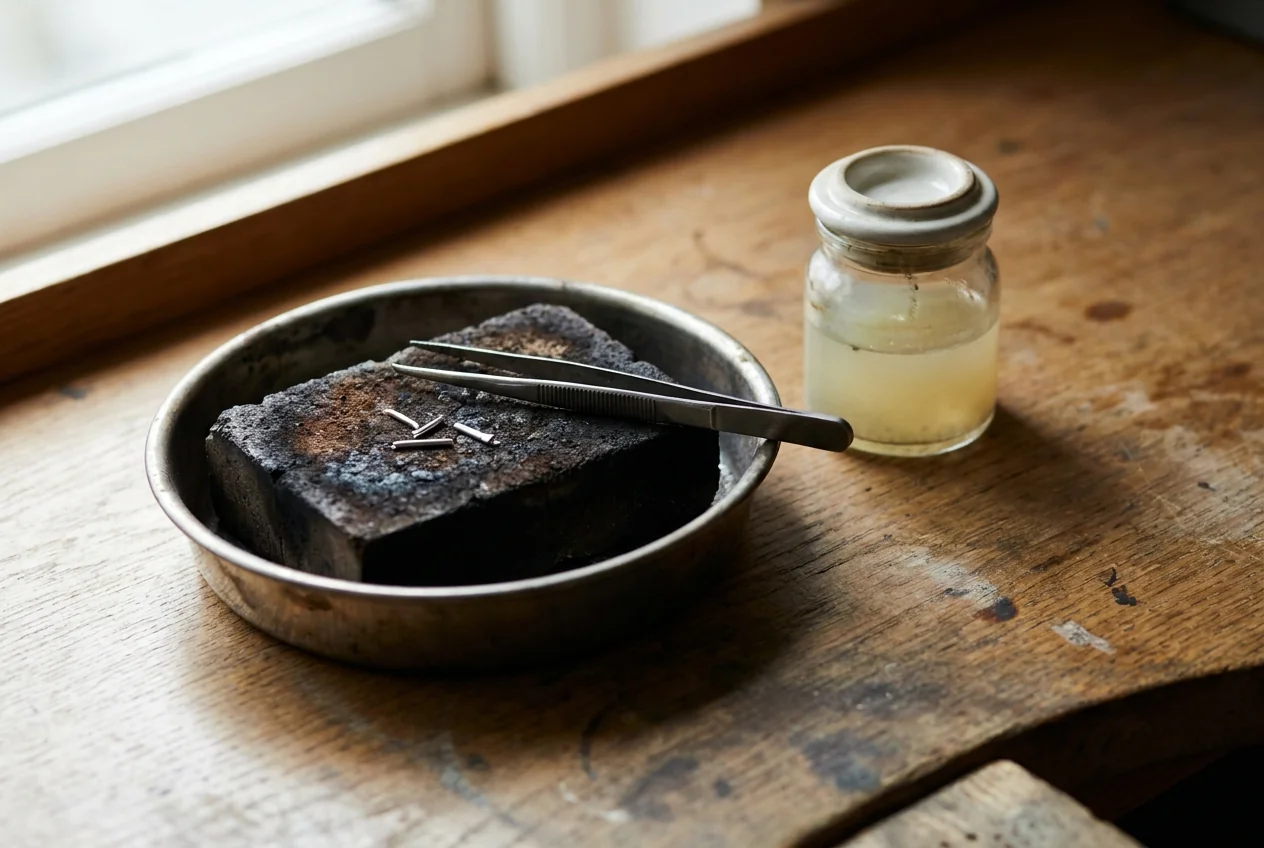
A complete comparison of precision, cost, speed, and durability to help jewelers and hobbyists choose the right joining technique.
Whether you're repairing a delicate ring or fabricating a new piece from scratch, the joining method you choose can make or break the final result. Laser welding and soldering are the two most common techniques in modern jewelry making — each with distinct advantages depending on the metal, design complexity, and production scale. This guide breaks down everything you need to know before investing in equipment or choosing a technique for your next project.
At a glance — how laser welding and soldering stack up against each other
Precision meets modern technology
The time-tested traditional method
A side-by-side breakdown of key performance factors
| Feature | Laser Welding | Soldering |
|---|---|---|
| Heat Affected Zone | Very small (0.1–0.5mm) | Larger, spreads across the piece |
| Gemstone Safety | Safe for most set stones | Risk of heat damage |
| Skill Curve | Moderate to steep | Beginner-friendly |
| Equipment Cost | $3,000 – $25,000+ | $100 – $1,000 |
| Filler Material Needed | Often not required | Always required |
| Joint Strength | Excellent, near base-metal strength | Good, dependent on solder alloy |
| Speed (Production) | Fast, great for repetitive tasks | Slower for complex or repeat jobs |
| Best For | Repairs, prong re-tipping, fine detail work | Assembly, chain work, larger joints |
| Portability | Bench-mounted, less portable | Highly portable with torch kits |
Weighing the strengths and limitations of each method
Choosing the right technique for your specific jewelry task
Laser welding is ideal — precise heat avoids damaging nearby gemstones during repair.
Soldering works well for joining chain links and larger structural components.
Both methods work, but laser welding offers cleaner results with set stones in place.
Soldering is often more practical for building larger custom pieces from raw stock.
Laser welding minimizes risk on valuable or antique pieces with fragile settings.
Laser welding shines with repeatable, high-volume tasks needing consistent results.
Understanding the investment required for each technique
$3,000 – $25,000+
Entry-level desktop laser welders start around $3,000, while professional-grade systems with higher power and features can exceed $25,000. Factor in training, maintenance, and consumables like protective lenses and gas.
$100 – $1,000
A basic torch, solder, flux, and a soldering block can get you started for under $200. Advanced setups with multiple torch types and ventilation systems may run closer to $1,000.

Soldering works, and it has for centuries. The question is not whether it joins metal — it is what else has to happen around the joint before and after.
A torch heats the whole piece to get one joint hot enough, so anything heat-sensitive is unset beforehand and reset afterwards. Two extra operations for one repair.
Solder melts lower than the parent metal by design, which is what makes it work — and what makes the seam a slightly different colour under the right light.
Broad heating leaves oxidation across the piece, so pickling and re-finishing are part of the job rather than an occasional extra.
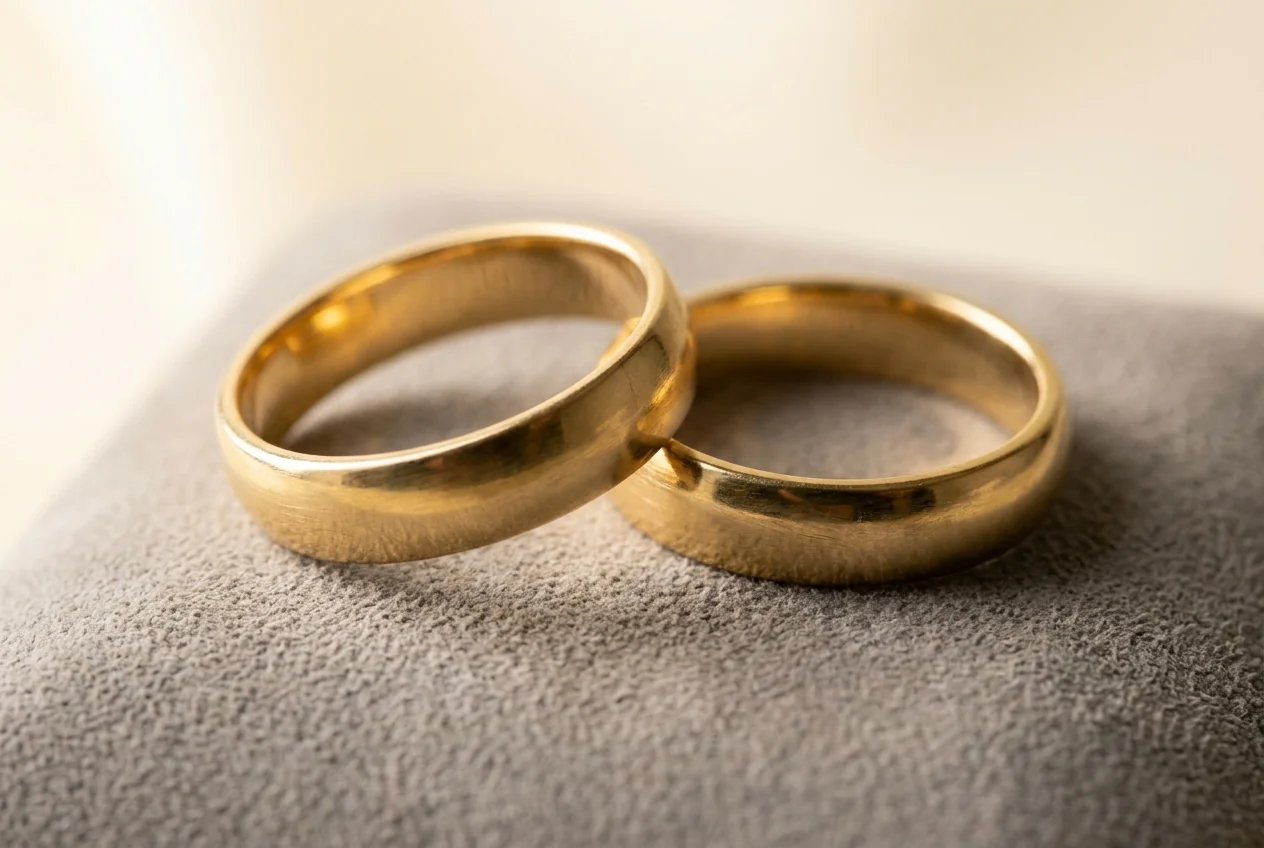
A page comparing two methods is not much use if it only argues for one. These are the situations where reaching for the torch is the correct decision, not a compromise.
The metal on the bench often settles the argument before either method is chosen.
Comparing "how long does a weld take" against "how long does a solder take" misses where the hours actually go. Unsetting stones, pickling, re-finishing and resetting are the stages that fill a repair day — and they are the stages a localized joint removes rather than shortens.
How much that is worth depends entirely on your repair mix, your operator's experience and the machine tier. There is no single figure that transfers between shops, so the honest answer is to run it on your own numbers.
Calculate Your Payback
Machines are separated by the workload and precision they are built for, not by wattage. Three starting points depending on which bench this is.
Built for smaller shops and lower repair frequency, with ring resizing and straightforward chain repair as its core applications.
Essential specificationBuilt around a small spot and fine thermal control, for detail work where the joint sits close to a setting.
Precision Bench specificationBuilt for busy benches and multiple operators, where a stored setting holding between people matters more than any peak figure.
High-Volume specificationAnyone who has soldered for years is starting again on parameters, not on jewellery. That is a real cost and worth planning for rather than discovering.
The starter course is built for complete beginners — machine fundamentals, safety, then basic technique.
Setup and safety, welding applications, and parameter and process guidance are part of the purchase rather than a separate line.
Access to a team that handles calibration questions and material-specific welding problems once your operators are running.
Common questions about laser welding and soldering in jewelry making
Explore our range of laser welding machines and soldering equipment built for professional jewelers and passionate hobbyists alike.
Shop Equipment Talk to an Expert