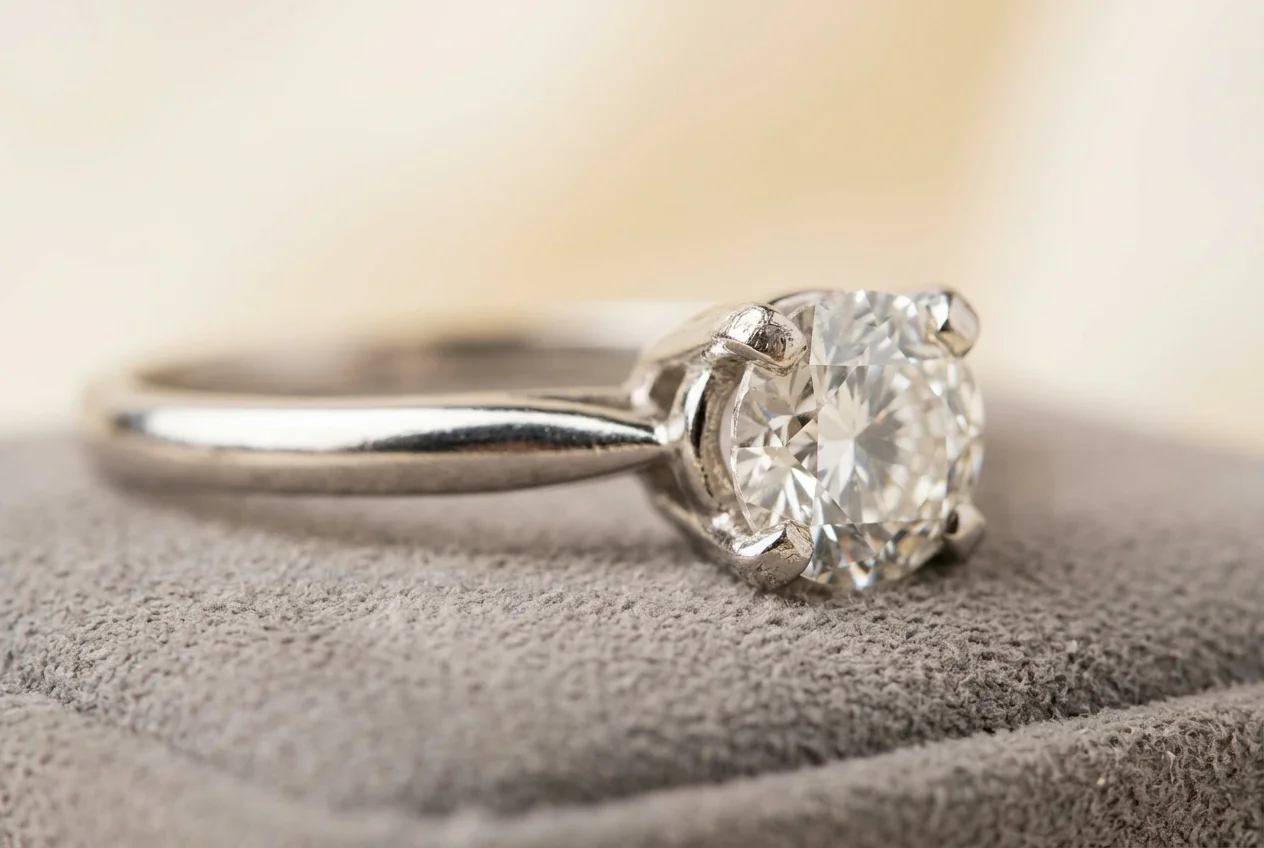
Prong, pavé, halo, channel and bezel work all put the joint within a millimetre or two of a stone. A pulsed laser is how a bench takes that work on with the settings still occupied — this page is about choosing the machine for it, not about sending the piece away.
Six families of job cover most of what arrives at a stone-set bench. What separates them is not difficulty so much as how much room there is between the joint and the nearest stone.
Retipping a claw that has worn thin, or rebuilding one that has snapped. Metal is added back at the tip, a millimetre or so from the girdle, and then reshaped and polished.
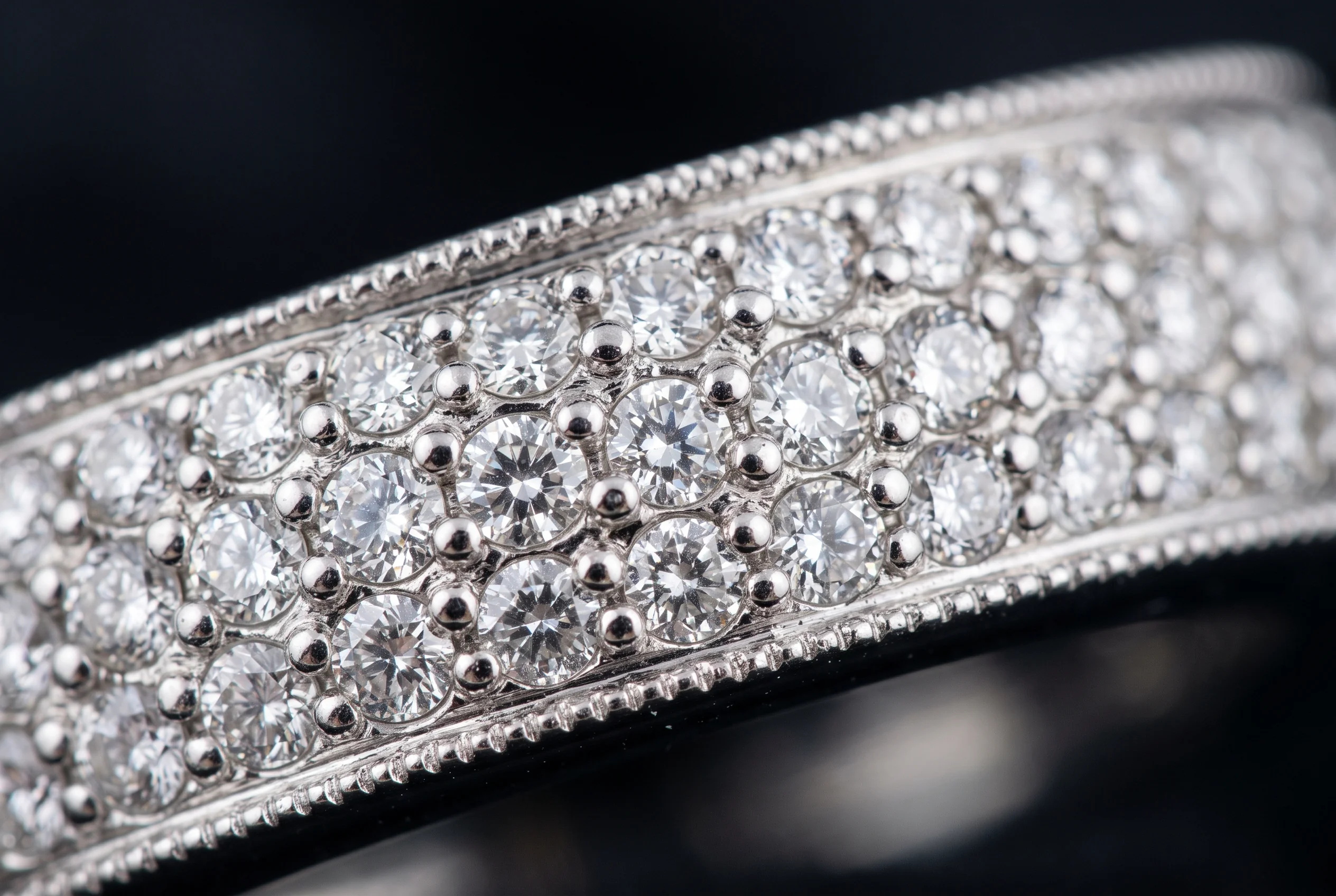
Rebuilding the small beads that hold pavé stones, or repairing the metal between them. There is very little material to work with and stones on several sides at once.
Joints in the frame that carries the surrounding stones, and the rails that tie the halo to the centre head. Small stones sit around the whole perimeter of the work.
Repairing or re-tightening the two walls that trap a line of stones. Because the wall is continuous, a fault in one place is usually felt along the row.
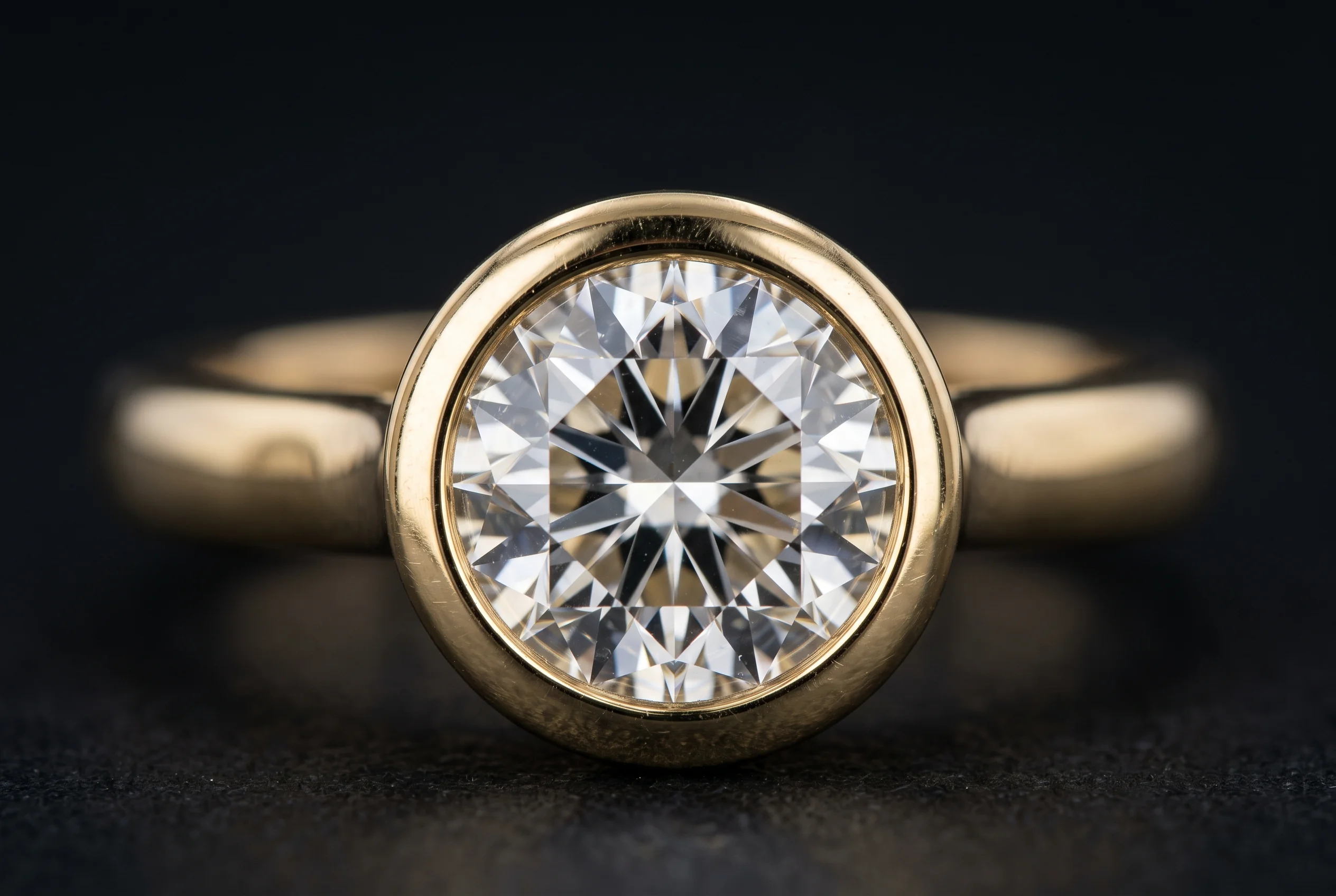
Rebuilding a bezel rim that has been dented, thinned or lifted. The rim and the girdle share the same few millimetres, which makes this the tightest of the five settings.
Structural work underneath the stone — gallery rails, basket joints and the seat the stone sits in. Further from the table, but holding everything in position.
Stone-set work is decided at the loupe, not at the machine. Five things are read off the piece first, because they change whether the job is welded, reset first, or declined.
Species first, then whether it has been treated, filled or is a composite. Two stones that look alike across the bench can behave very differently once heat is nearby.
Claw, pavé, halo, channel or bezel. The setting decides how much metal stands between the joint and the stone, which is the number that actually matters.
How far the weld sits from the girdle, under magnification. Where that distance is very small, spot size stops being a specification and becomes the constraint on the job.
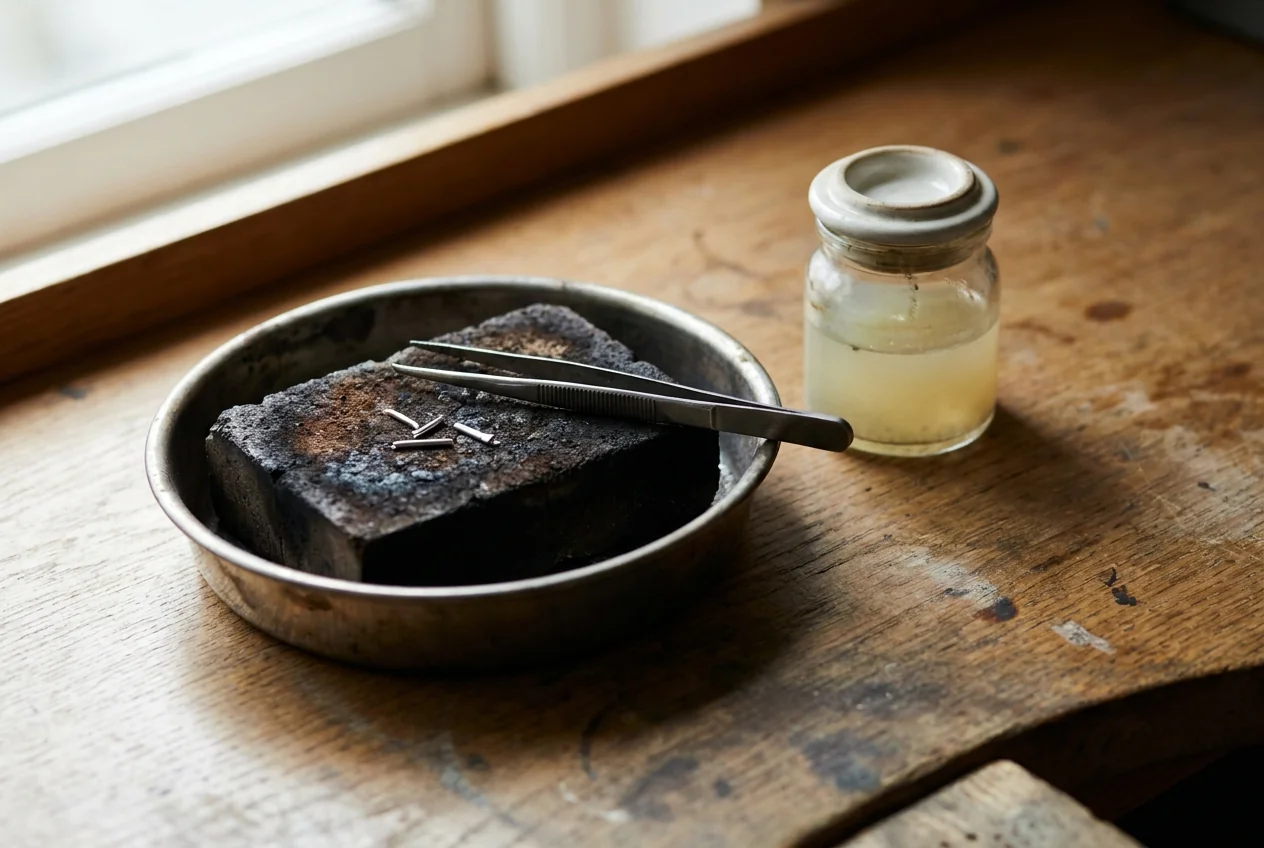
Old solder seams, previous retips and unmarked alloys behave unpredictably. Finding them before welding is cheaper than discovering them during it.
Weld in place, unset first, or turn the job down. A bench that can say which of the three applies — and why — is the one customers come back to.

On most repairs you can move the heat somewhere harmless. On stone-set work you often cannot, and that single fact reorders which specifications decide the job.
A worn bead or a lifted bezel rim sits directly against the girdle. There is nowhere else to put the joint, so the only remaining variable is how tightly the energy stays where it was aimed.
Diamond, sapphire, opal, emerald and treated or fracture-filled stones each respond differently to nearby heat. Which one is in front of you is part of the assessment, not a detail to check afterwards.
Retipping a claw and rebuilding a bead both add metal that has worn away. Feeding and melting filler cleanly is a different demand from closing a clean break, and it is the part that decides whether the repair lasts.
Thin, worn or previously repaired metal around the setting often gives way before the stone becomes a concern. Assessment covers both.

Setting style varies more than stone type does, and it is what actually sets the working room. These five cover the great majority of stone-set repairs arriving at a bench.

Metal stands proud of the stone, so the tip can be worked with a little distance in hand. The usual jobs are retipping worn claws and rebuilding one that has broken away.
Many small stones with fine beads and thin walls between them. Very little material to add to and stones on more than one side, so this is where assessment matters more than technique.
The frame carrying the surrounding stones, plus the rails joining it to the centre head. The work is structural, but there are small stones around the entire perimeter of it.
Two walls trapping a row of stones. Because the wall runs the length of the row, a repair in one spot has to leave the rest of the line still holding.
The rim wraps the girdle, so the joint and the stone share the same few millimetres. Dents, thinning and lifted edges are the common jobs and the least forgiving of them.
Baskets, gallery rails and seats. Furthest from the table of the stone, but thin sections that hold the whole setting in alignment once welded.

Pavé: the beads holding each stone are a fraction of a millimetre across.

Bezel: rim and girdle share the same few millimetres of working room.
Both methods repair stone-set jewelry, and shops run both. The difference that matters here is how far the heat travels from the point you aimed at.


| On the bench | Torch soldering | Pulsed laser welding |
|---|---|---|
| Where the heat goes | Spreads through the piece from the flame; the whole head warms up. | Deposited in a pulse at the aimed spot, with the surrounding metal carrying much less of it. |
| Unsetting stones | Often unset first, then reset after — two extra operations per job. | Frequently welded with the setting occupied, subject to the assessment above. |
| Filler material | Solder of a lower melting point than the parent metal. | Wire of the same alloy family, so the repaired area matches the metal around it. |
| Colour at the joint | Solder can read as a different colour under shop lighting. | Matching filler avoids the colour step, though the area still needs finishing. |
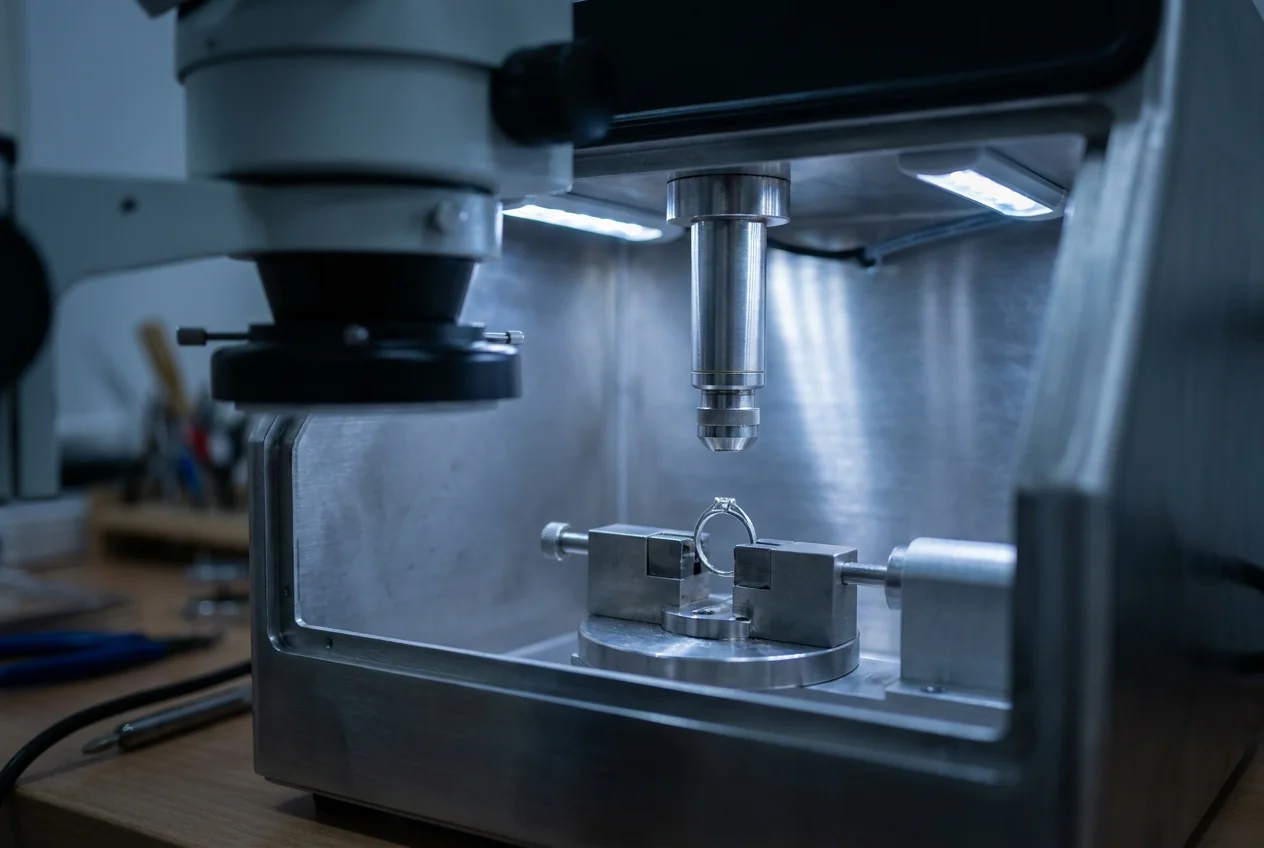
| What you aim with | Eye and loupe, with the flame held clear of the stones. | Binocular microscope, aiming at a target well under a millimetre. |
| Where torch still wins | Large joins, bulk work and pieces with no stones nearby — faster and cheaper to set up. | Slower per joint on big work; the advantage is control, not throughput. |
This compares the two methods, not two products. A bench doing mixed work generally keeps a torch as well.
The failures that push stone-set work out to a trade bench, and what sits behind each one.
When the whole head has to be brought up to temperature, the stone comes out first and goes back after. Two operations are added to a job that was one.
Fracture-filled, oiled and composite stones have been through processes that leave them far less tolerant of nearby heat. Identifying them is part of the assessment.
Reshaping worn metal without adding any leaves it thinner than before. It goes a second time, and the customer remembers where the work was done.
A lower-melting alloy sitting at a claw tip or bezel edge can read as a different colour under a shop light, right where the eye goes first.
Work on one part of a continuous wall can leave the rest of the row less secure. Channel repairs are checked along the whole line, not just at the weld.
Every outsourced stone-set repair is a wait the customer feels and a margin split with someone else — the two costs that decide whether this belongs on your own bench.
This is a narrower brief than jewellery welding in general. Each item below is described by what it changes when the joint is beside a stone, rather than by its headline figure.
Read the full buying guideOur range is separated by workload and precision demand rather than by wattage. For stone-set work, these are the models that come up first.
Modern jewelry stores and high-end custom studios
Active repair shops and goldsmiths
Smaller shops, lower repair frequency
Running several benches or multiple operators? The QCW Series — Continuous-Duty Jewelry Laser Welder is built for continuous operation and repeat runs where stability between operators matters more than peak figures.
Compare all four models side by sideSend us a representative piece — a worn claw, a pavé section, a bezel edge — and we will weld it to your specification and return it with the parameters we used, so you can judge the result on your own work rather than on ours.
Arrange a Free Welding TestTell us the stone-set work your bench takes on — the settings, the metals, the tightest job you get — and we will come back with a shortlist of models that cover it and a configured quote.