2026 UPDATED GUIDE

The Ultimate Jewelry Laser Welder Comparison

A side-by-side look at the four machines we build — laser power, optics, control and intended workload — so you can match the right one to your bench, your metals and your repair volume before requesting a quote.

Spec-by-Spec

Comparison

Workload-Based

Selection

Fine Spot

Control

Spec-Based

Comparison

Why Comparing Laser Welders Matters

Jewelry laser welders vary widely in power, beam quality, and control precision. Choosing the wrong machine can mean weak welds, discoloration, or wasted material. Our comparison breaks down the specs that actually matter for jewelers, goldsmiths, and repair shops.

Power & Wavelength

Compare joule output, pulse width, and wavelength for gold, silver, platinum, and titanium welding.

Precision & Control

Evaluate spot size accuracy, targeting systems, and microscope quality for fine detail work.

Value for Money

Analyze total cost of ownership including maintenance, consumables, and warranty coverage.

Start by Naming Your Bench

The four machines are separated by the work they are built to carry, so the comparison only means something once you know which of these describes your shop. Pick the closest one — the rest of this page is easier to read afterwards.
Bench in a retail repair shop
Repair Shop & Retail Jeweler

You want work back off the trade bench

  • Which repair types the machine can actually take on
  • How quickly an operator becomes independent on it
  • What it costs, and how that sits against your outsourcing bill
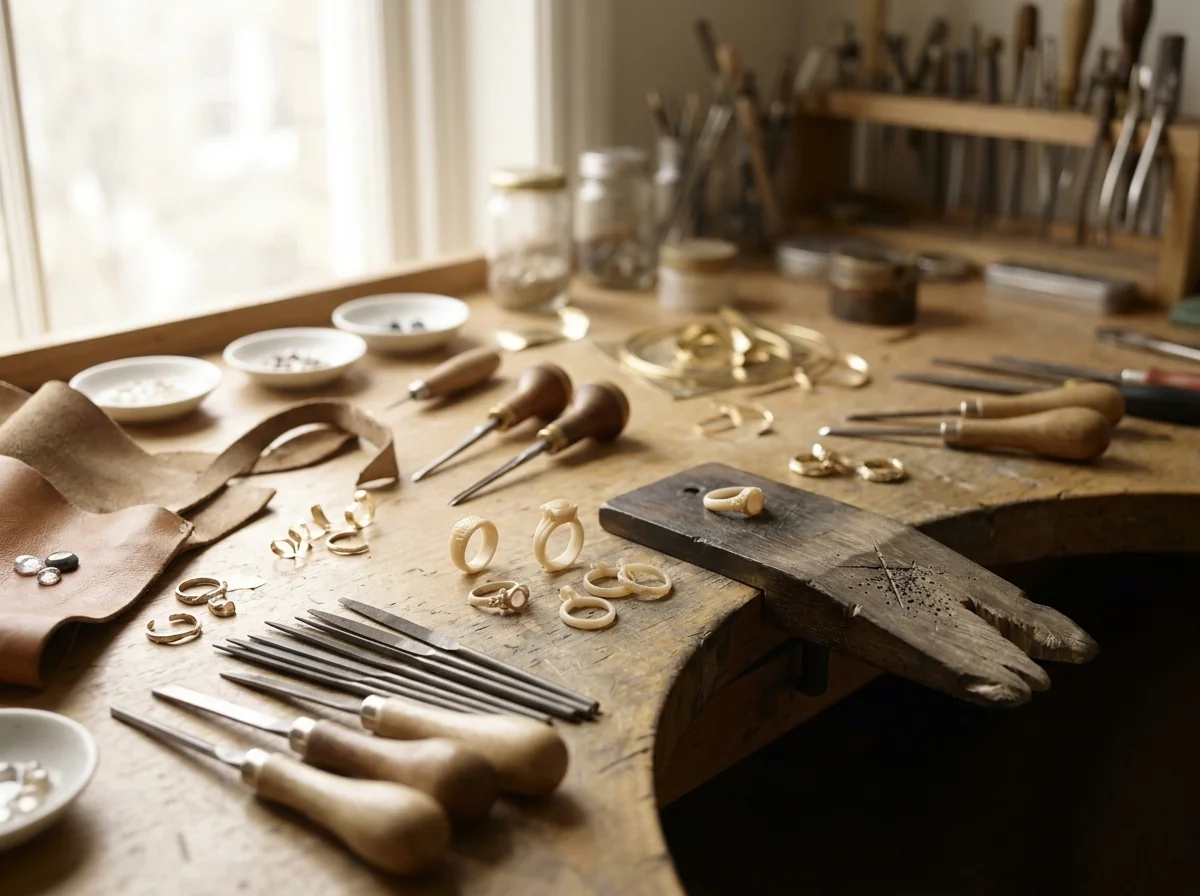
Goldsmith working at a studio bench
Goldsmith & Custom Studio

You work close to settings and fine detail

  • Spot size, pulse energy and pulse width — and how they interact
  • Microscope visibility while positioning the joint
  • Whether complex structures can be handled without dismantling them
Jewellery production floor
Production Team & Manufacturer

You need the same weld twice, all week

  • Parameter storage and consistency between operators
  • Cooling stability under continuous operation
  • Process validation before a joint enters a production run
Compare by the Work, Not the Spec Sheet

Specifications only matter through the jobs they let you take. Here are the repairs that actually cross a jewelry bench, what each one demands of a jewelry laser welder, and which machine is built around it.

The job on your bench
What it actually demands
Machine built around it
Gold band on a bench during resizing
A controlled seam on a closed band, with heat kept local enough that the rest of the shank does not move. Routine, high-frequency work in most shops.
MW-DW200 — Affordable Jewelry Laser Welder — an affordable machine built for smaller shops and lower repair frequency, with resizing named as a core application.
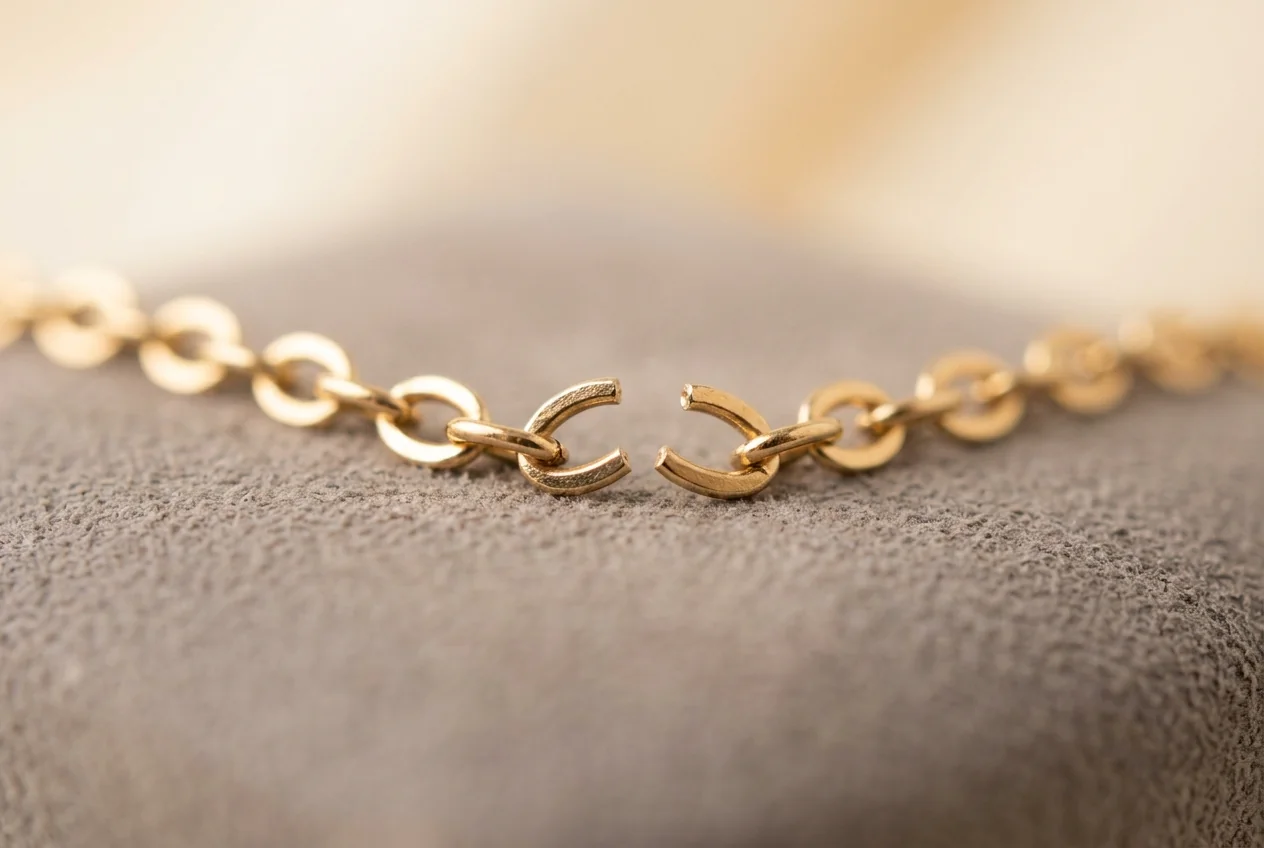
Macro of a broken gold chain link
Broken chain repair How chain repair works →
A very small controllable spot, so a single link is rejoined without the neighbouring links losing shape or finish.
MW-DW200 — Affordable Jewelry Laser Welder — straightforward chain repair sits on the same affordable machine as resizing.
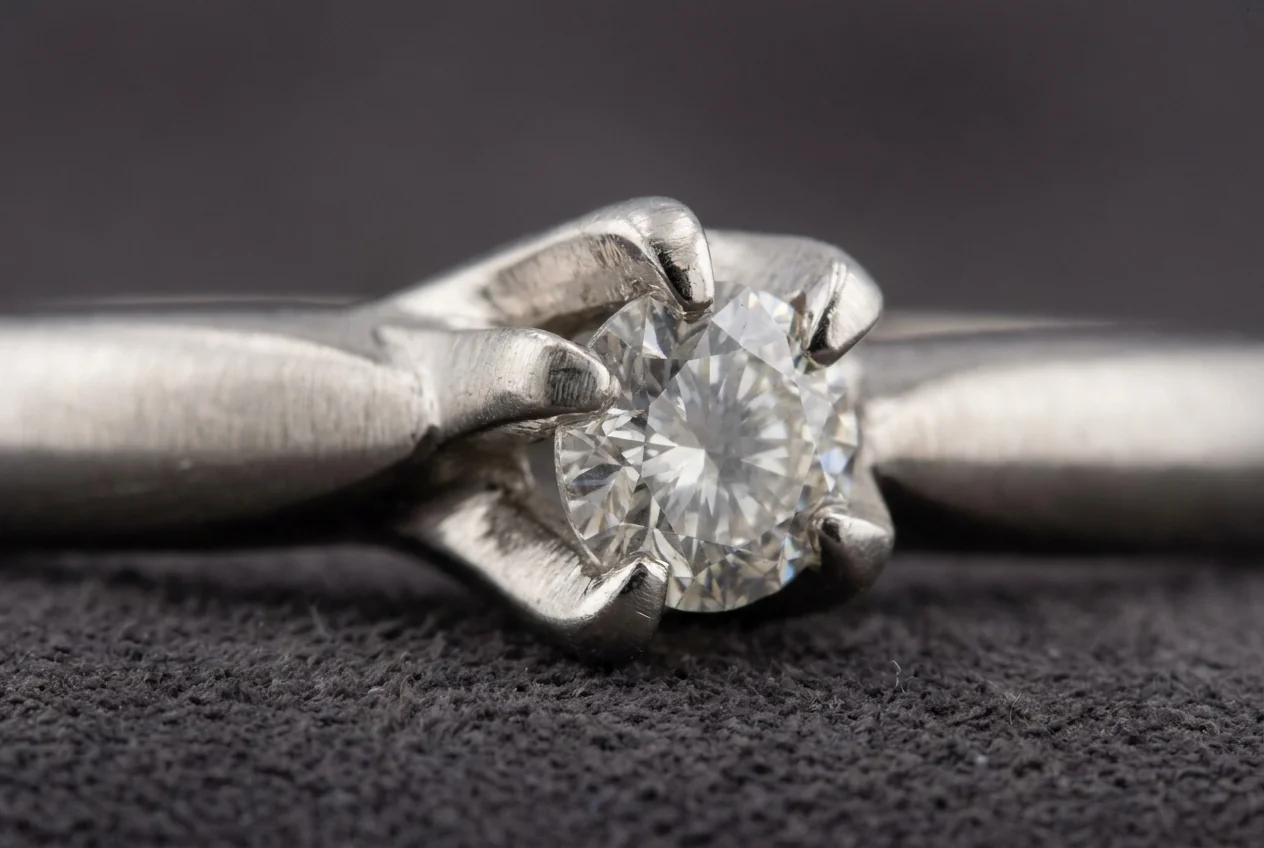
Macro of a worn claw setting holding a diamond
Prong retipping & stone-set work See stone-set repair →
Fine heat control and clear magnified visibility, because you are placing metal beside a stone rather than away from one. Each piece is still assessed on its own before welding.
NOVA — Stylish Jewelry Laser Welder — built around a small spot and fine thermal control for detailed goldsmithing.
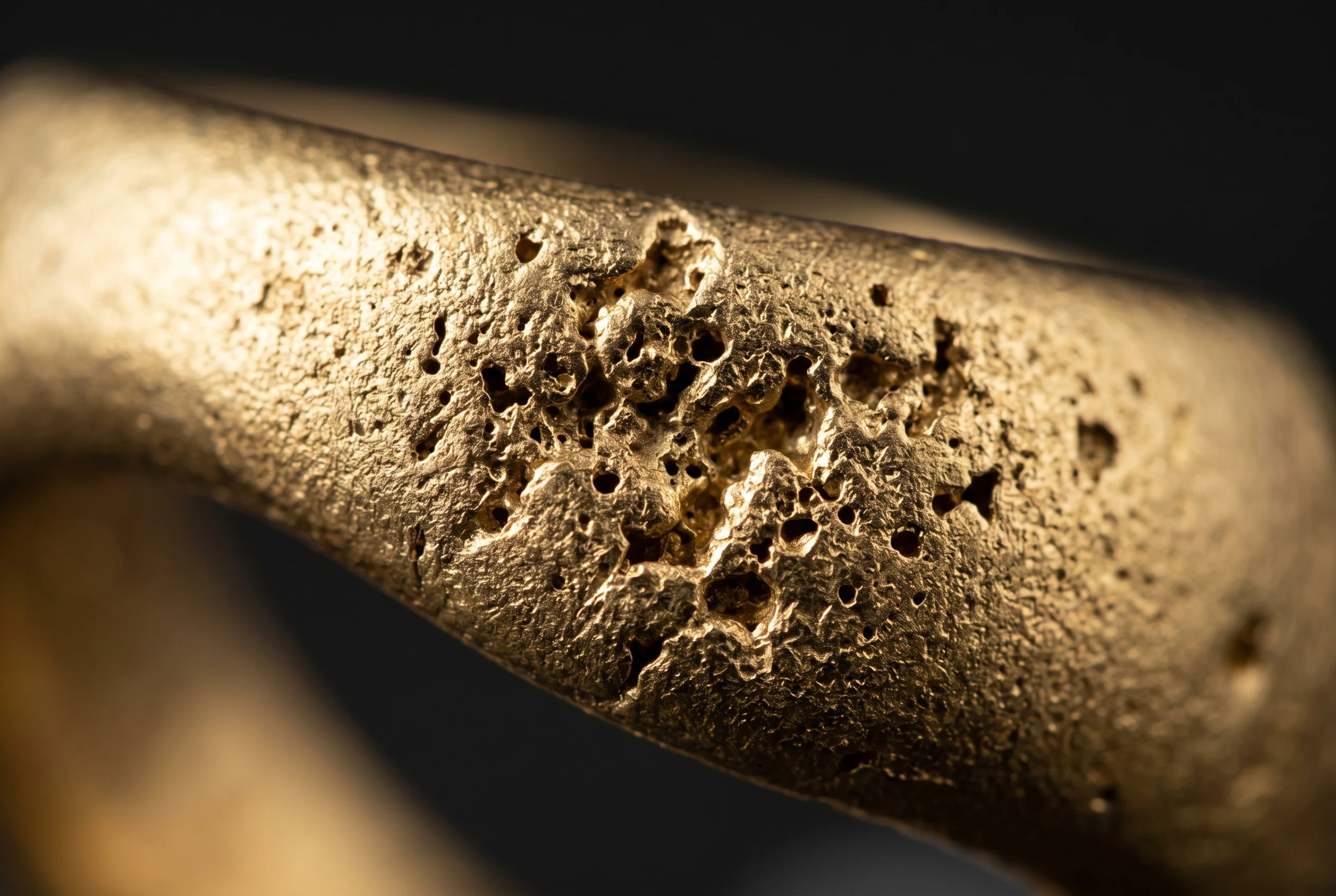
Macro of casting porosity in gold
Porosity & crack filling See porosity repair →
Enough pulse energy to melt filler and fill a defect properly, across whichever alloy the casting happens to be.
M3 — 3-in-1 Jewelry Laser Welder — one machine that welds, marks and cuts, built for active shops working across several metals.
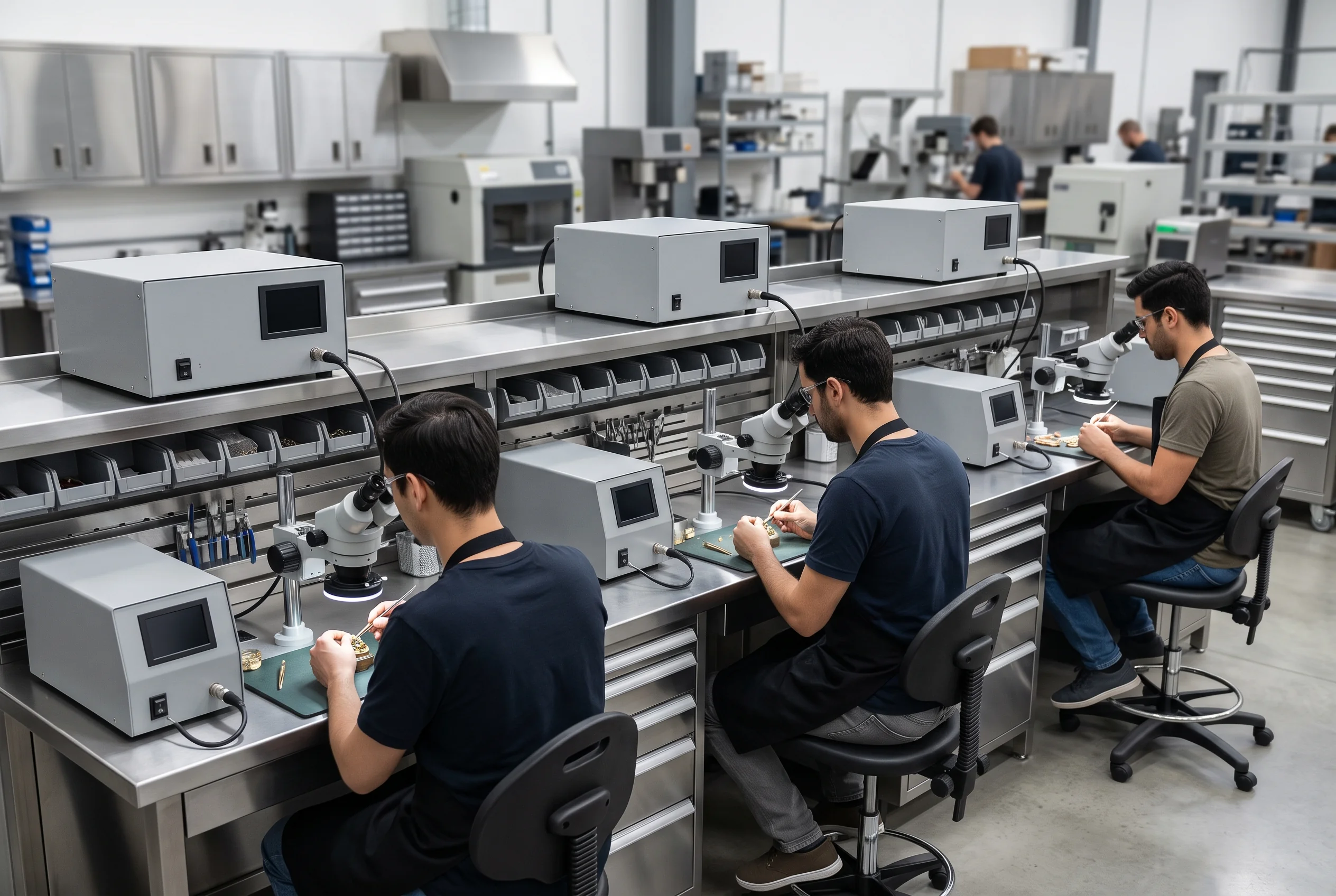
Row of laser welding stations with several operators working
Repeat runs & multi-operator benches See the high-volume setup →
Stored parameters that hold between operators and shifts, and cooling that sustains output rather than peaking once.
QCW Series — Continuous-Duty Jewelry Laser Welder — built for busy repair centres and multi-operator work, where continuous operation and stability matter more than peak figures.

A model is a starting point, not a verdict. Shops mix work, and the final configuration is set against your actual job mix rather than a model name.

Full Specification Comparison

Side-by-side configuration data on the four JewelryWelderPro models, so you can match laser power, optics and workload before you request a quote.

Model Laser Power Optics / Control Key Feature Best For Price
QCW Series — Continuous-Duty Jewelry Laser Welder 600W / 1200W / 2000W Maximum Peak Power 10x Zoom Microscope QCW platform · Air Cooling · >100,000 h source life High-utilization workshops & jewelry manufacturers US$6,000–12,000
M3 — 3-in-1 Jewelry Laser Welder 10W / 30W / 60W — marking & cutting configurations Dual-Eyepiece Optical System 3-in-1: Welding + Marking + Cutting · Air Cooling Goldsmiths & full-service jewelers US$8,000–15,000
MW-DW200 — Affordable Jewelry Laser Welder Maximum Peak Power ≤6 kW Binocular + HD CCD Viewing Pedal-activated firing Repair shops & jewelry studios US$5,000–8,000
NOVA — Stylish Jewelry Laser Welder Maximum Peak Power ≤7 kW Binocular Microscope · Precision Control Adjustable 0.1–2.0 mm spot · repeatable parameters Professional repair shops & goldsmiths US$8,999 base

Prices shown are starting configurations. Final price depends on configuration, accessories, destination, shipping and service plan — request a quote for your setup.

What Those Numbers Decide on Your Bench

A specification only earns its place in a comparison if you can say what it changes about your day. Read the table above through this list rather than on its own.

Average power
→
How long you can keep working without the machine's thermal behaviour drifting on you.
Peak power
→
Whether reflective and highly conductive metals can be handled at all — this is a capability question, not a quality one.
Pulse energy
→
How deep the weld goes, whether filler melts properly, and how much of a defect you can actually fill.
Pulse width
→
How much heat enters the piece, what shape the seam takes, and how large the affected area around it ends up.
Spot size
→
How close to a setting or a fine link you can place a weld, and how much polishing is waiting for you afterwards.
Cooling system
→
Whether settings stay stable through a long session, or only through the first few joints.
Parameter storage
→
Whether a proven setting can be recalled, so two operators get the same result from the same job.
Working chamber
→
Whether awkward shapes — bangles, long chains, complex settings — physically fit the way you need to hold them.
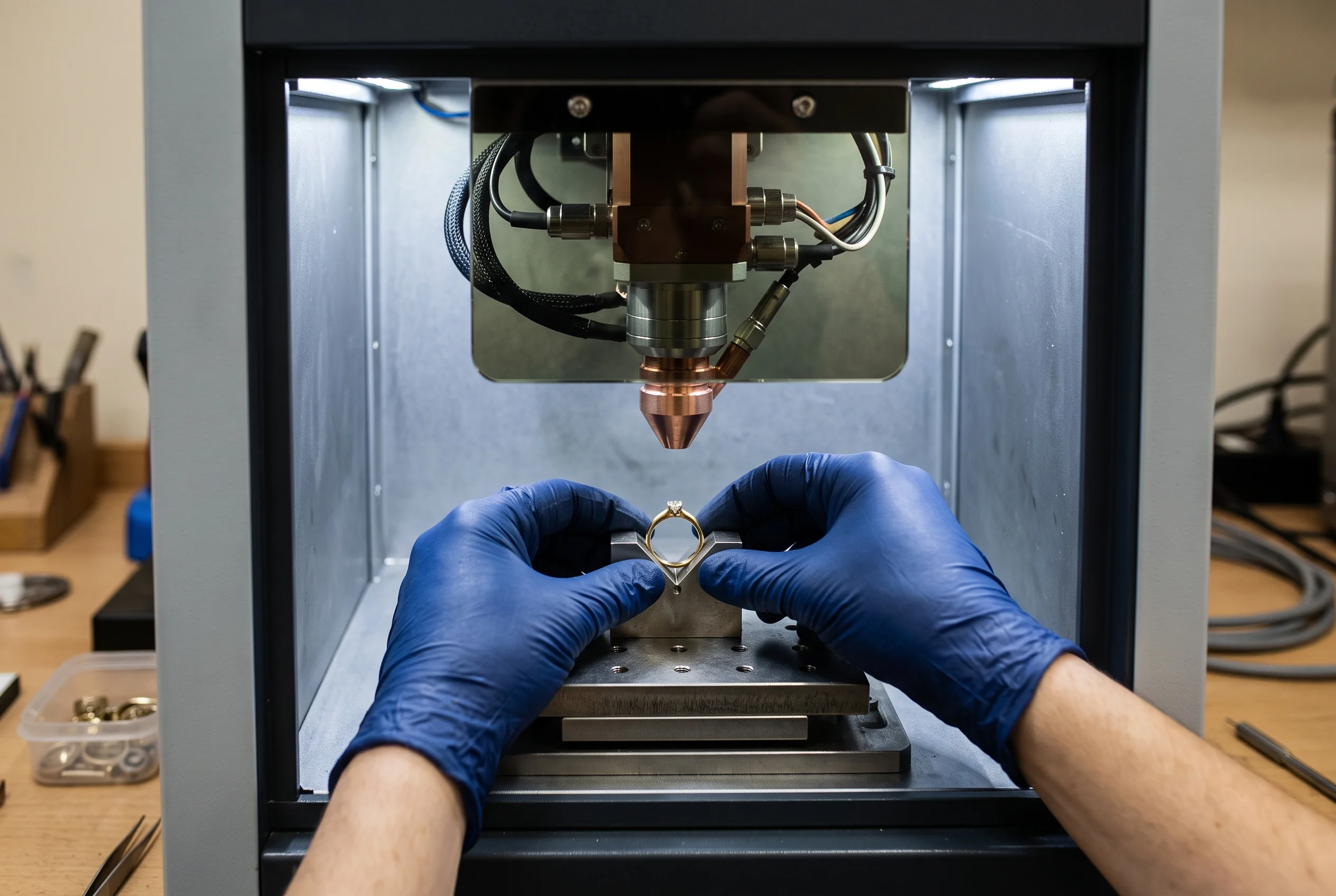
Gloved hands positioning a ring inside the working chamber of a laser welder

Working chamber — the specification you only notice when a bangle or a long chain will not sit the way you need to hold it.

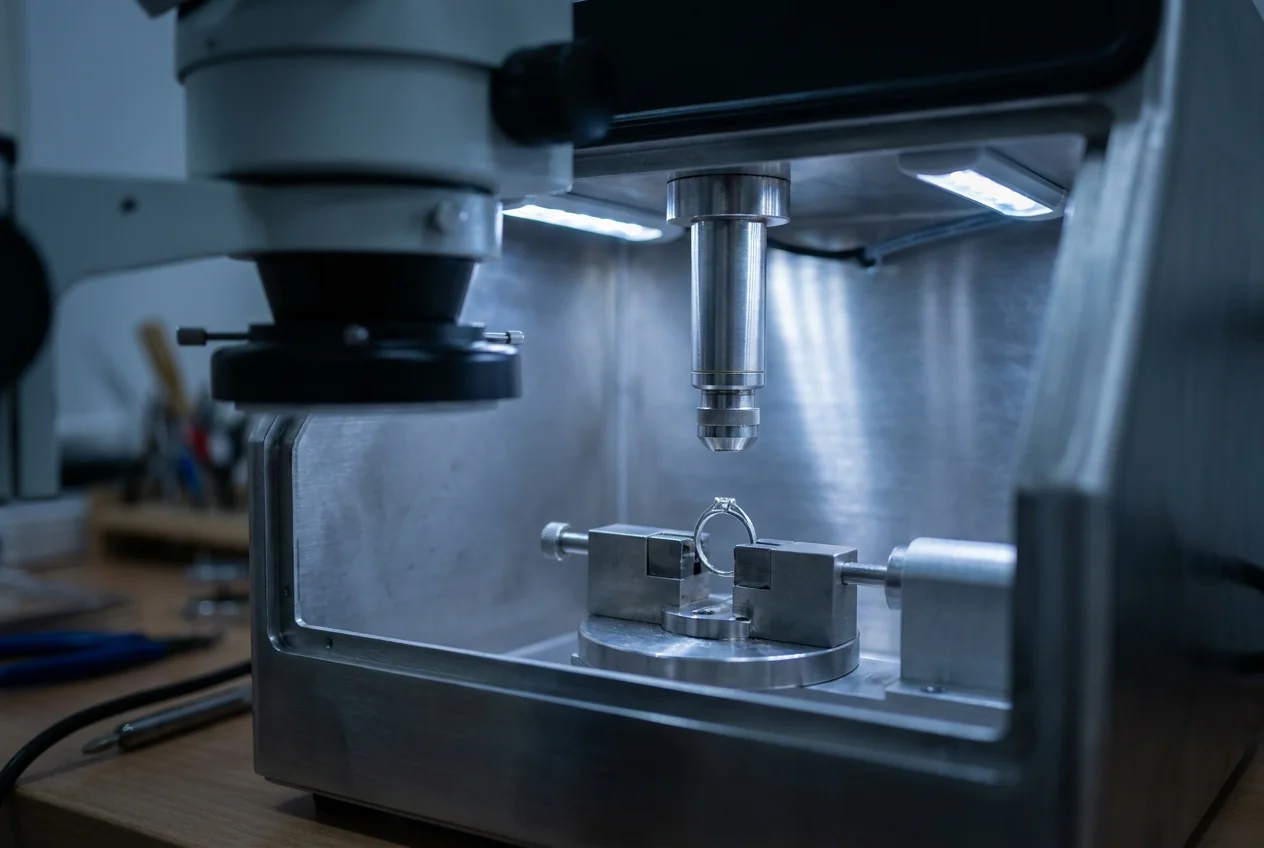
A jewellery piece held under the microscope of a laser welding station

Spot size and visibility — you are aiming at a target well under a millimetre. What the optics cannot resolve, the operator cannot place accurately.

These interact rather than stack. A higher figure in one row does not by itself produce a finer weld.

The Four JewelryWelderPro Models

A closer look at each machine in our range — matched to bench setup, metals and repair volume rather than ranked against each other.

QCW Series — Continuous-Duty Jewelry Laser Welder

US$6,000–12,000
  • Laser Power600W / 1200W / 2000W Peak
  • Optics10x Zoom Microscope
  • CoolingAir Cooling
  • Best ForHigh-Utilization Workshops

Built for repeated welding at higher workloads — busy repair centres, multi-operator benches and production work.

See Pricing

M3 — 3-in-1 Jewelry Laser Welder

US$8,000–15,000
  • FunctionsWelding + Marking + Cutting
  • OpticsDual-Eyepiece System
  • ControlAdjustable Pulse Width
  • Best ForFull-Service Jewelers

One platform covers welding, marking and cutting for custom jewelry work — the 10W / 30W / 60W options refer to the marking & cutting configuration, not welding power.

See Pricing

MW-DW200 — Affordable Jewelry Laser Welder

US$5,000–8,000
  • Laser Power≤6 kW Maximum Peak
  • OpticsBinocular + HD CCD
  • ControlPedal-Activated Firing
  • Best ForJewelry Studios

Benchtop system for everyday jewelry repairs — an affordable, practical laser welder for independent jewelers and small repair shops.

See Pricing

NOVA — Stylish Jewelry Laser Welder

US$8,999 base
  • Laser Power≤7 kW Maximum Peak
  • Spot0.1–2.0 mm Adjustable
  • OpticsBinocular Microscope
  • Best ForPrecision Bench Work

A stylish bench welder with a professional look for modern jewelry stores — fine energy control, an adjustable spot and microscope observation for detailed goldsmithing.

See Pricing

Who Each Machine Was Built Around

The four machines are separated by buyer type, workload and precision demand rather than by wattage. This is the shop each one was designed for.

MW-DW200
Affordable Jewelry Laser Welder
Who it is for
Smaller repair shops that want an affordable investment with practical performance.
Typical work
Ring resizing and straightforward broken-chain repair — everyday jobs done properly, without paying for capability you will not use.
Read more
MW-DW200 specification →
M3
3-in-1 Jewelry Laser Welder
Who it is for
Active repair shops and goldsmiths who want welding, marking and cutting in one machine.
Typical work
Mixed repairs across several metals in the same week, with engraving and small cutting jobs handled on the same bench instead of a second machine.
Read more
M3 specification →
NOVA
Stylish Jewelry Laser Welder
Who it is for
Modern jewelry stores and high-end custom studios that care how the bench looks as well as how it welds.
Typical work
Detailed craft work where a small spot and fine thermal control decide the result — in a stylish design with a professional appearance in front of clients.
Read more
NOVA specification →
QCW Series
Continuous-Duty Jewelry Laser Welder
Who it is for
Busy repair centres and multi-operator benches with a heavy daily workload.
Typical work
Repeat runs where continuous operation and stability matter more than peak figures — built to keep working through a full shift.
Read more
QCW Series specification →

The Metal Changes the Settings, Not the Tier

Conductivity, reflectivity and melting behaviour differ between precious metals, so each one needs its own parameter set. There is no single configuration that is correct across all of them, on any tier.

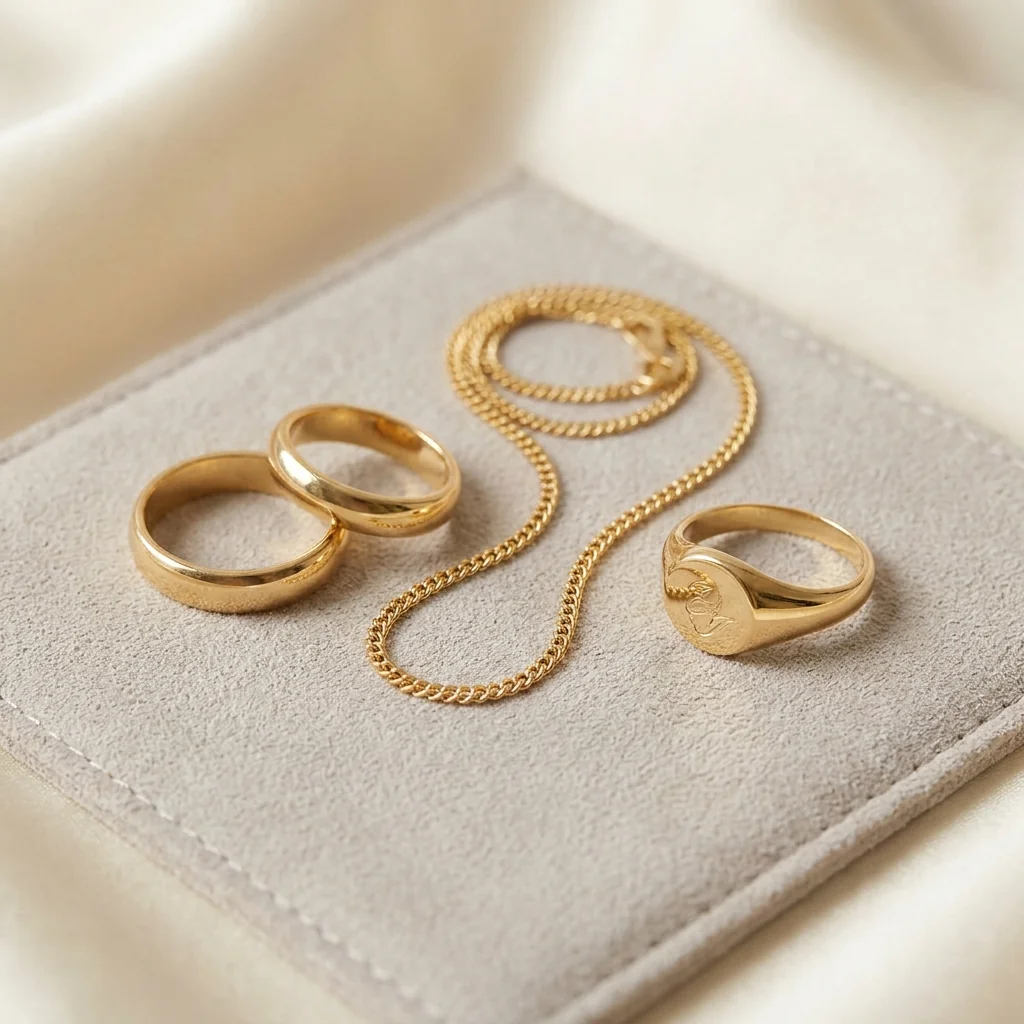
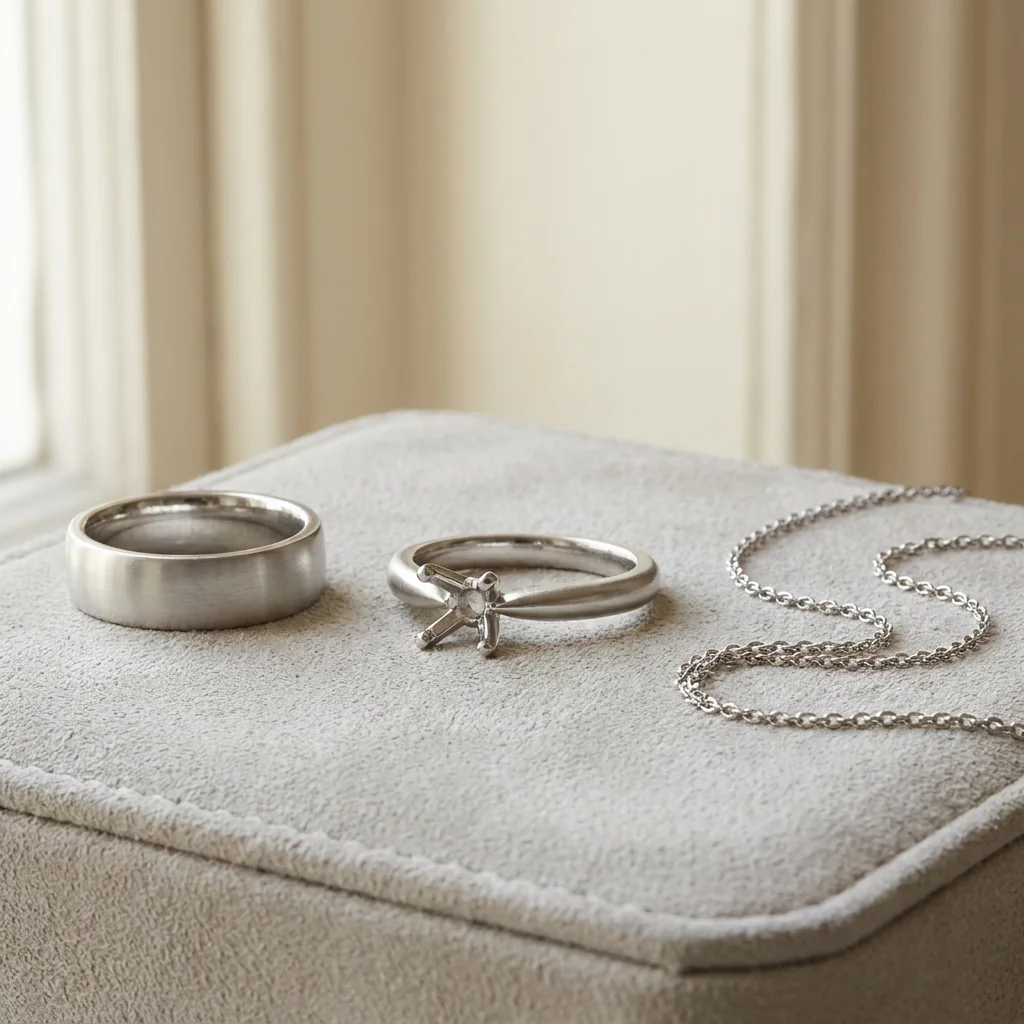
Polished yellow gold sample
Gold — all karats

The everyday case. The work is colour matching across yellow, white and rose rather than the weld itself.

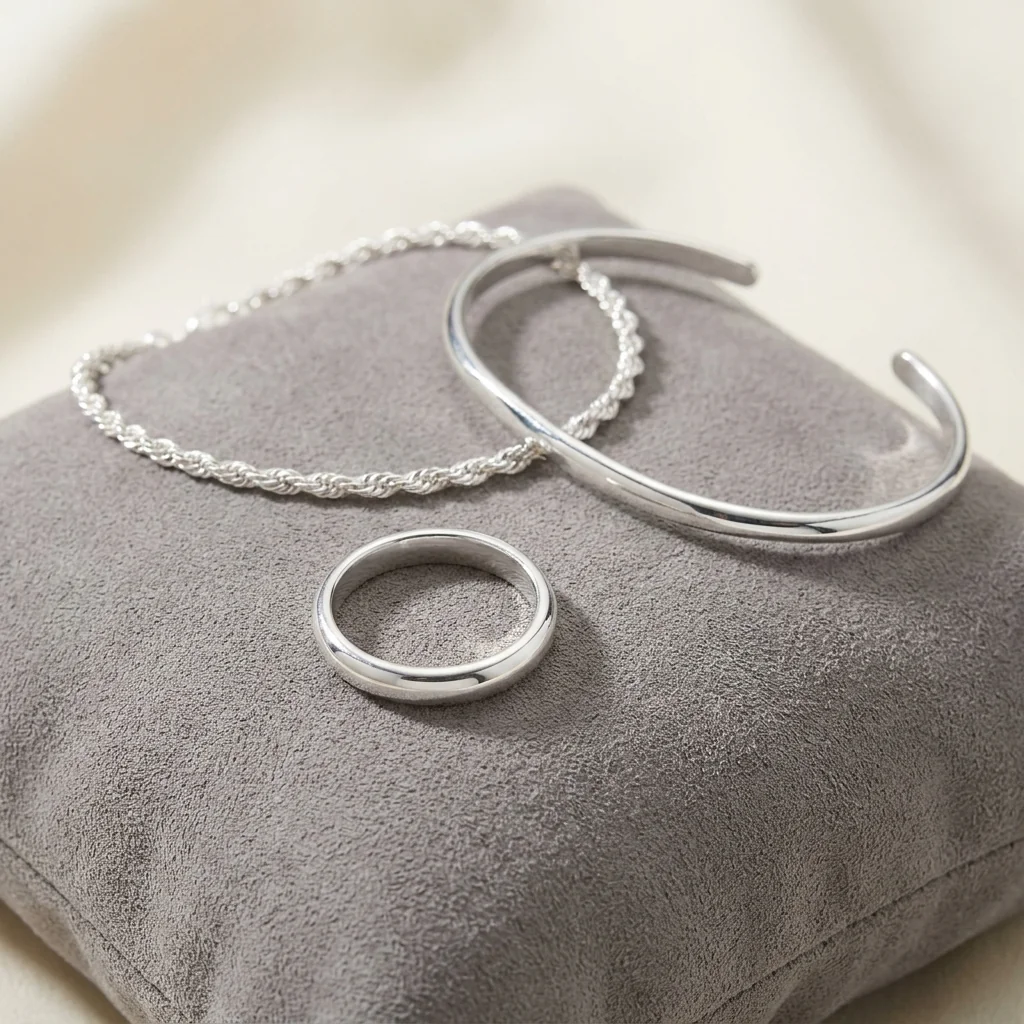
Polished sterling silver sample
Sterling silver

Conducts heat away from the joint quickly, so energy that suits gold can arrive at the seam already spent.

Polished platinum sample
Platinum & palladium

Melts far hotter and stays where it is put — a clean joint, but no margin for an underpowered pulse.

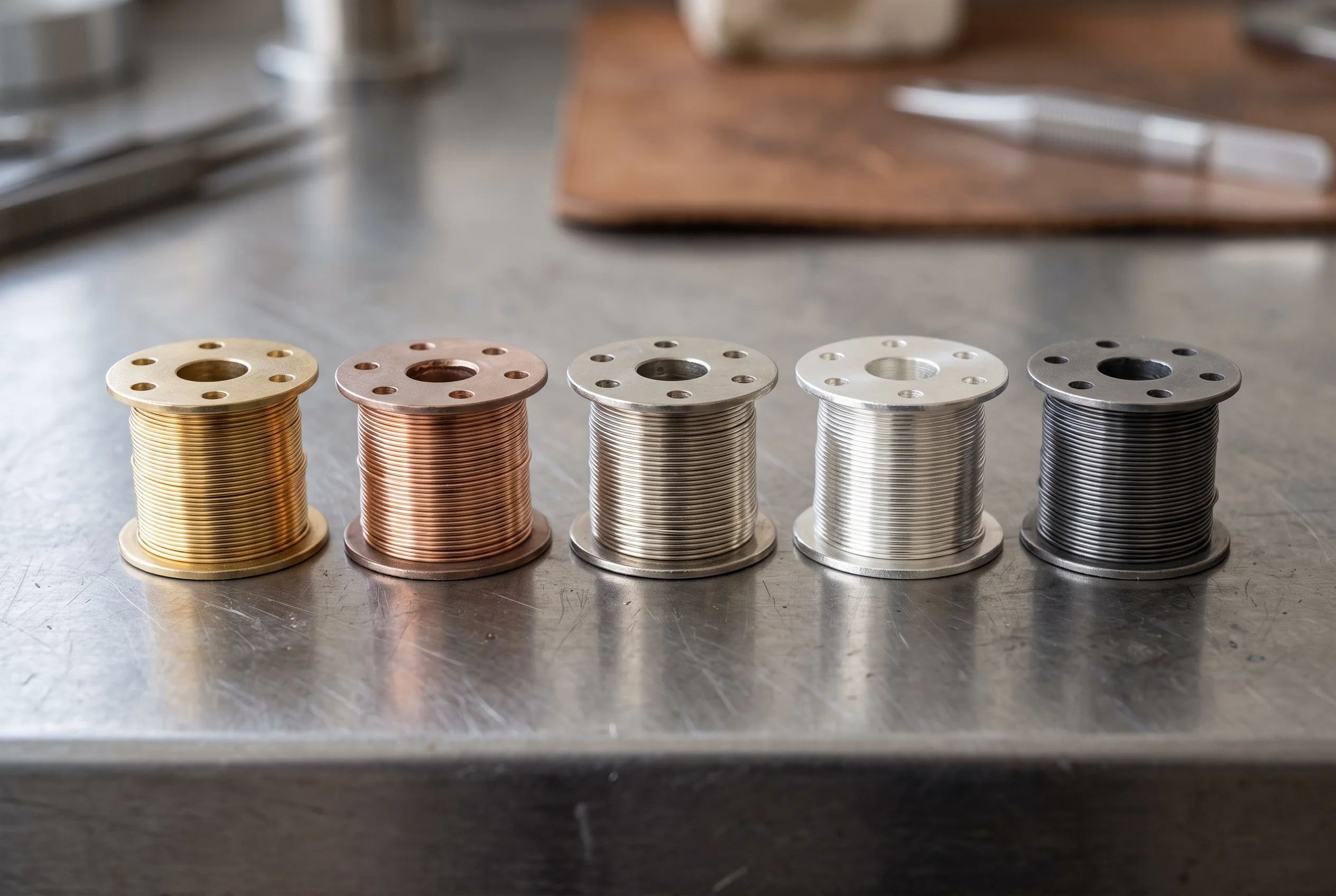
Five spools of jewellery filler wire in different precious metal colours

Filler wire is chosen to match the parent alloy, not the machine. Titanium adds a further requirement — shielding gas at the joint, or the hot metal picks up oxygen and goes brittle.

Every tier on this page welds all of these. What changes between tiers is how finely you can control the pulse that each one needs — which is why the metal you work in belongs in the configuration conversation rather than in the tier choice.

Gold Silver Platinum

How to Choose the Right Laser Welder

Follow these key steps before making your investment. Understanding your workshop's specific needs will save you money and prevent buyer's remorse.

Jewelry laser welder in use
1
Assess Your Material Types

Different metals (gold, silver, platinum, titanium) require different power settings and wavelengths. Choose a machine with a wide adjustable range.

2
Determine Required Power Output

Hobbyists and small repair shops can manage with 80–120 joules, while production studios benefit from 150–300 joules for thicker joins.

3
Evaluate Cooling & Duty Cycle

Closed-loop water cooling supports longer continuous use, which matters for high-volume workshops running the machine for hours daily.

4
Check Optics & Targeting System

A high-quality microscope or camera targeting system dramatically improves weld accuracy, especially for intricate designs and stone settings.

5
Consider Total Cost of Ownership

Factor in warranty length, replacement flash lamps/diodes, service network, and training resources — not just the sticker price.

Pulse vs. Continuous Wave Welders

Understanding the two main laser welding technologies used in jewelry work.

Pulsed Laser Welders
  • ✔ Precise, controlled heat input — minimal thermal damage
  • ✔ Ideal for stone-set jewelry & fine detail repairs
  • ✔ Lower risk of discoloration on gold/silver
  • ✘ Slower for large-scale production welding
Continuous Wave Welders
  • ✔ Faster weld speed for chains & bulk production
  • ✔ Deeper penetration for structural joins
  • ✘ Higher heat spread risk near gemstones
  • ✘ Requires more operator skill to avoid overheating

A Price Tag Is Not a Configuration

The number that matters is not the headline figure for a tier — it is what your configuration costs once the optics, the working chamber and the cooling are set against the work you actually do. Two shops buying the same tier can end up with different machines.

Which is why this page does not print one price per tier. Configuration decides it, so a quote is written against your job mix rather than read off a list.

See what drives the cost Estimate your payback
Sets the floor
Machine tier

Chosen from workload and precision demand rather than from wattage. Everything below adjusts around this, so getting it wrong is the expensive mistake.

Moves it most
Optics & visibility

Microscope and CCD options change what you can position accurately — and they are usually the largest single swing between two quotes for the same tier.

Moves it some
Cooling & working chamber

What the machine sustains across a session, and what shapes physically fit. A production bench feels this line; an occasional bench often does not.

Not a line item
Training & support

Included with the machine rather than quoted separately — see training and support for what that covers.

Read top to bottom: the higher the rung, the more it moves the final number.

Frequently Asked Questions

Common questions from jewelers researching laser welding equipment.

For most small repair shops, a machine in the 80–150 joule range is sufficient for typical gold and silver ring sizing, prong repairs, and chain welding. Higher power is only necessary for platinum or thick industrial pieces.

Laser welders offer superior precision with minimal heat spread, making them ideal for gemstone-set pieces where torch heat could damage stones. They also reduce material loss and produce cleaner, less visible welds.

Our range runs from US$5,000 to US$15,000 across the four models. Final price depends on configuration, accessories, destination, shipping and service plan — request a quote for your setup.

Basic operation can be learned within a few hours, but mastering weld settings for different metals and joint types typically takes a few weeks of practice. Most manufacturers offer training sessions with purchase.

Regular maintenance includes cleaning the optics, replacing the flash lamp or diode periodically, checking coolant levels (for water-cooled units), and ensuring the protective lens is free of debris.
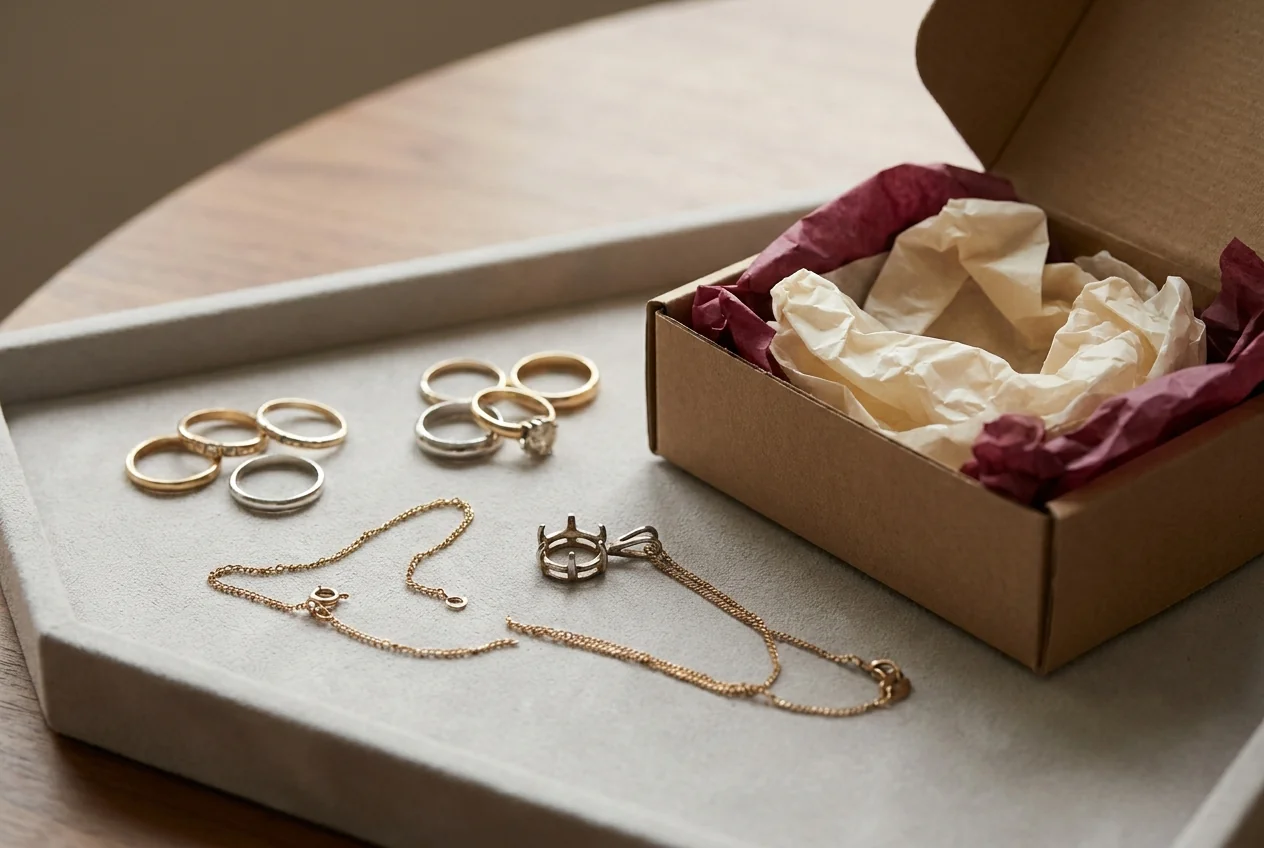
A customer jewellery piece prepared on the bench for a free sample welding test

Settle It on Your Own Piece

A comparison table narrows the field; it does not tell you how a specific alloy and a specific joint will behave. Send an actual repair — or photographs of one — and the answer comes back from your work rather than from a column heading.

The test weld is free, the piece comes back to you, and we return the parameters we used so your own operator can reproduce it.

Request a Free Welding Test Send your repair photos

Ready to Upgrade Your Workshop?

Everything worth comparing is already on this page — the specification table, the repairs each tier is built to carry, and what those figures change at your own bench. Work through it side by side before you commit to a jewelry laser welder.

View Full Comparison Table